

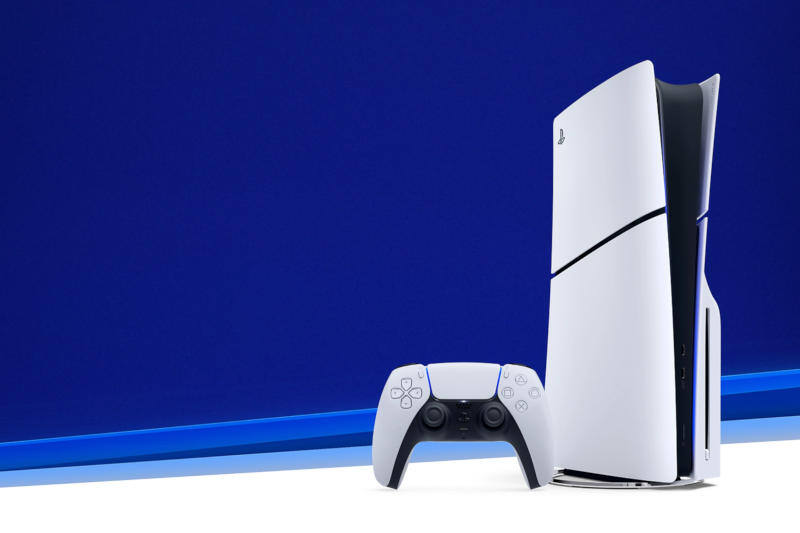
May was ugly for both Sony and Microsoft in U.S. console sales. Circana’s latest figures show PlayStation hardware fell to its weakest May since 2000, while Xbox recorded its worst May ever in the company’s console history. Nintendo, meanwhile, is enjoying the awkward pleasure of watching its rivals stumble past the finish line.
The numbers help explain why the current hardware cycle feels so expensive and so uneven. Average spending on new gaming hardware in the U.S. reached $502 in May, up 14% from $440 a year earlier, and that higher sticker shock is now colliding with console price hikes from both Sony and Microsoft. Consumers are paying more, but they are not exactly rushing to reward anyone for it.
PlayStation 5 sales slide and Xbox loses volume
PlayStation 5 unit sales dropped 58% compared with the same month last year, while PS5 hardware spending fell 43%. Xbox sales were down 12% year over year, but hardware spending still rose 7%, which means Microsoft sold fewer consoles while pulling in more revenue from each one. That is a tidy trick for a spreadsheet; it is much less charming if you are trying to grow an installed base.
- Average new gaming hardware price in the U.S.: $502, up 14% year over year
- Average PS5 price: $672, up 33%
- Average Xbox hardware price: $524, up 22%
Nintendo Switch 2 is the one platform moving the right way
There was one clear winner: Nintendo Switch 2 was the best-selling hardware platform in both units and dollars for the month, and also for the year to date. Circana says the system reached 5.9 million installed devices in the U.S. 12 months after launch, which is a reminder that fresh hardware still matters if people actually want it. In a market where older consoles are getting pricier, Nintendo’s new machine is doing what new consoles are supposed to do: sell.
Higher console prices are now the story
The pricing spiral is getting hard to ignore. Microsoft said it will raise Xbox prices again from August 1, with 512 GB models increasing by $100 and 2 TB versions by $150, blaming memory costs that have more than doubled and could double again by autumn 2027. Sony already lifted U.S. PS5 prices in April, putting the standard model at $649.99, the Digital Edition at $599.99, and the PS5 Pro at $899.99.
That leaves the next question hanging over the second half of the year: if consoles keep getting more expensive while demand keeps sagging, who exactly is supposed to buy into the next wave of hardware enthusiasm?