

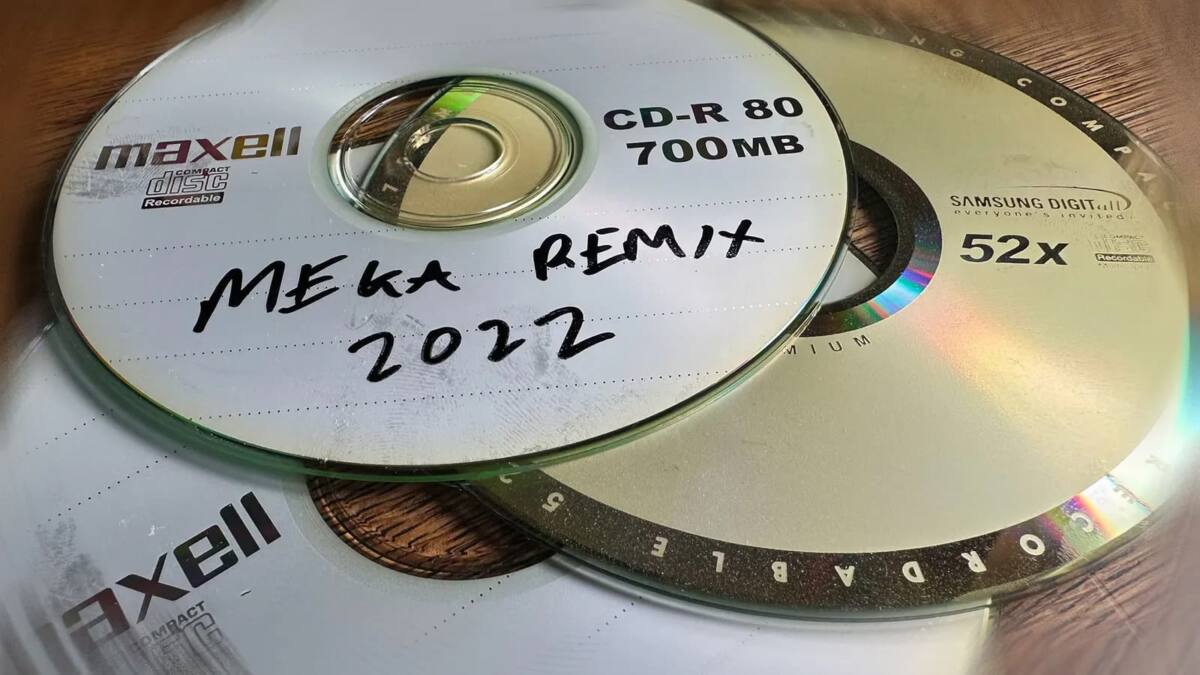
A British man has been handed a suspended prison sentence for remix CD piracy after manufacturing and selling CDs packed with unauthorized mixes and remixes of well-known artists. Mark Kearns, 47, from East Yorkshire, avoided immediate jail time after admitting several offenses in court in Hull, but he will have to stay out of trouble for 18 months and complete 250 hours of unpaid work.
The case reads like a time capsule, but the economics are familiar: someone packages other people’s music, sells it, and keeps the cash while the rights holders get nothing. That model has mostly migrated online, yet enforcement still catches the old-school version whenever it turns up.
How the CD piracy case unfolded
Authorities first noticed Kearns’ activity in 2018. A full investigation began in 2019, a search was carried out in 2022, and the case only reached its final stage now after his guilty plea. The long timeline suggests this was not a quick street-level bust, but a drawn-out copyright probe that took years to piece together.
According to investigators, he made and sold compilation discs using tracks from famous performers without permission from the rights holders. Local officials said that meant profiting from other people’s work without paying the musicians or record labels involved. The exact sales channel was not disclosed, so whether these discs moved online, at markets, or through some more awkwardly nostalgic route is still unclear.
Suspended sentence and community work
- Sentence: 26 months, suspended
- Condition: no further offenses for 18 months
- Penalty: 250 hours of mandatory community service
The outcome is a reminder that physical media is no longer the main battlefield in copyright enforcement, but it is far from irrelevant. Labels and artists still have reason to care, because these smaller-scale operations can be profitable precisely by staying just old-fashioned enough to slip under the radar for a while.
Why old-school piracy still gets punished
Cases like this sit somewhere between petty counterfeiting and organized distribution, which is why courts tend to treat them seriously even when the format looks dated. The bigger story is not the CD itself; it is the persistence of copyright infringement as a business model that keeps adapting, whether the product is burned onto plastic or uploaded in seconds.