

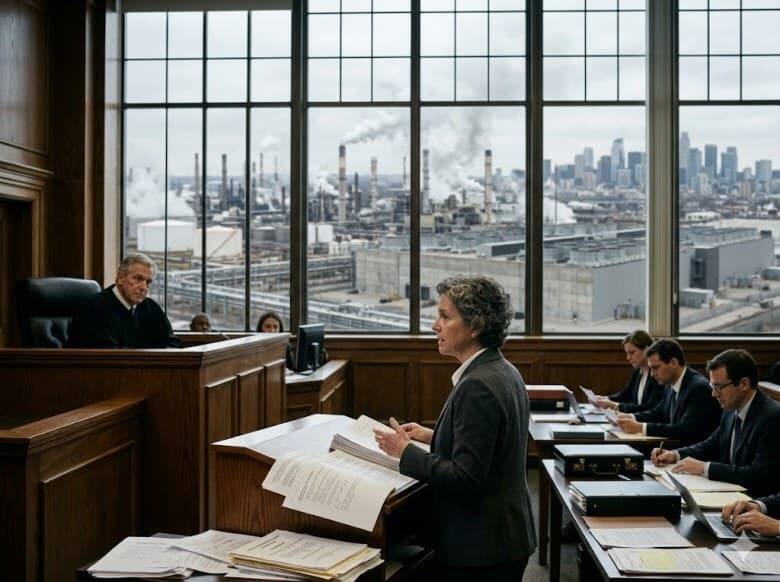
The U.S. Department of Justice has stepped into xAI’s gas-turbine dispute with a clear message: cutting power to the company’s Mississippi site could interfere with AI systems tied to national security. That puts Elon Musk’s AI startup in the unusual position of arguing that its electricity supply is not just a local permitting issue, but part of the Pentagon’s operational backbone.
The case centers on Colossus 2 in Southaven, Mississippi, where xAI has been running unpermitted gas turbines. The NAACP filed suit over the setup, while environmental groups say the number of turbines on the site rose from 27 to 57 since April, alongside a 111% jump in nitrogen oxide emissions. For regulators, that is a pretty loud alarm bell; for xAI, it is the cost of feeding a giant AI system that does not like to wait around for the grid to catch up.
Why the Justice Department chose xAI’s side
In its filing, the Justice Department said the lawsuit threatens ”national, economic and energy security” because it could cut electricity to AI systems supporting Defense Department operations. The department also said xAI’s Grok is among a small number of models used in critical operations, including on secret and top-secret networks.
That framing is doing a lot of work. Washington has been looking for ways to accelerate domestic AI capacity while also keeping more compute close to government users, and this dispute gives xAI a rare national-security shield in a fight that usually ends with fines, permits, or shutdown orders.
Colossus 2 has become the xAI turbine flashpoint
Colossus 2 is one of xAI’s two major data centers, and it needs a lot of power to keep up with the company’s ambitions. The gas turbines are being used as supplemental energy for the site’s heavy compute load, which is exactly the kind of workaround that can keep AI training moving fast – and also trigger emissions disputes just as quickly.
- Site: Colossus 2 in Southaven, Mississippi
- Gas turbines: 27 in April, then 57
- Reported emissions change: 111% increase in NOx
- Core issue: unregistered turbines powering AI infrastructure
The real fight is over power, not just permits
This dispute is part of a bigger pattern in AI: the industry keeps promising faster models, but the real bottleneck is often electricity, cooling, and whoever gets to say yes before the hardware is already humming. Competitors are solving that problem in different ways, from data-center buildouts with utility partners to long-term power contracts, but xAI’s approach is more aggressive and more visible, which makes it easier to challenge.
If the Justice Department keeps leaning into the security argument, that could make future enforcement against AI infrastructure a lot harder for local and environmental plaintiffs. If it doesn’t, the other message is just as clear: even the most strategically useful AI companies still need to answer for what they bolt onto the grid.