

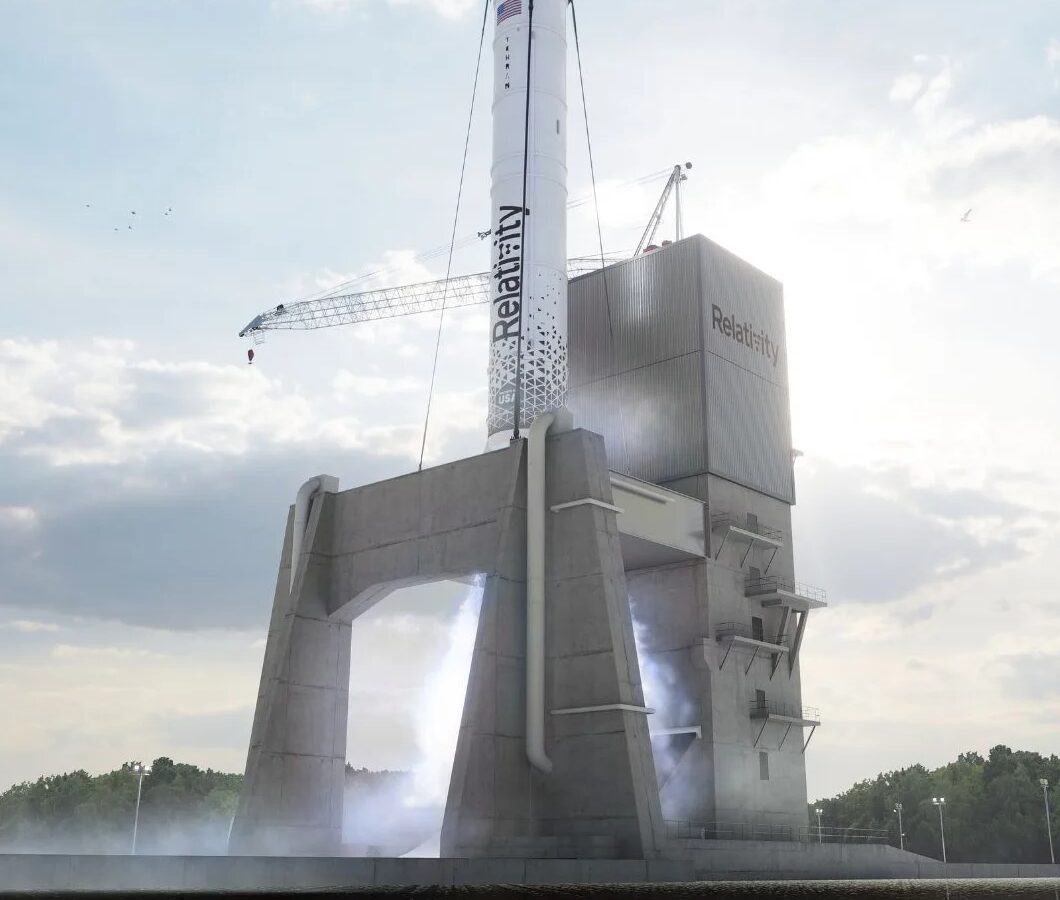
Relativity Space’s Terran R is edging toward its first orbital launch, with the second stage already shipped for NASA testing while the first stage moves through final integration and load preparation. The 3D-printed, fully reusable heavy-lift rocket is still targeting a first flight at the end of 2026 from Cape Canaveral, and the latest milestones suggest the company is trying to turn a very ambitious manufacturing pitch into an actual launch vehicle.
That matters because Terran R is entering a race where execution has crushed good branding before. SpaceX proved reusable rockets can be more than a poster concept; several other ambitious launch startups have discovered that making hardware is easy compared with making reliable hardware on schedule. Relativity is betting that additive manufacturing and fewer assembled parts will shorten the road.
Terran R second stage heads to NASA
According to the company, the second stage has completed integration of its main subsystems and received hydraulic systems, cable runs, valves, and several structural elements. After final checks and adapter installation, it was transported via Long Beach port and sent to NASA’s Stennis Space Center for ground testing.
Preparatory work has already started on the A2 test stand at Stennis, including control-system checks and liquid oxygen purges. That is the unglamorous part of rocket development, but it is also where confidence gets earned rather than tweeted.
First stage integration is still the real hurdle
Relativity says the first stage is now in its own late-stage sprint: a qualification article is being readied for load testing, while the flight version is being integrated with fuel systems and the propulsion unit. The rocket uses 13 Aeon R engines burning methane and oxygen, and some parts are already in final assembly and test.
- Two-stage heavy-lift rocket
- Fully reusable design
- 13 Aeon R engines
- Methane and oxygen propellant
- First orbital launch targeted for the end of 2026
Relativity Space also said it manufactured more than 1,400 parts in May for the future flight article. If that pace holds, Terran R is moving from a promise-heavy concept toward something that can be shaken, tested, and, eventually, pointed at the sky. The harder question is whether Relativity can keep that momentum through qualification and into launch ops without the usual startup detours.