

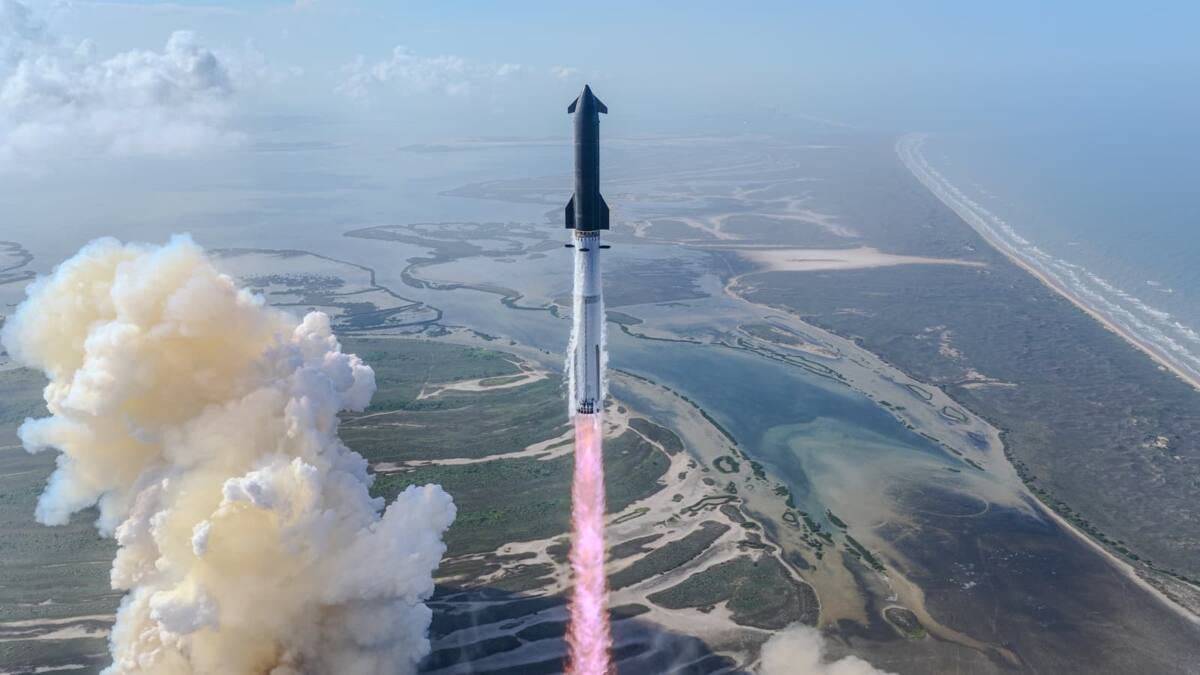
SpaceX has proposed a different way to get NASA astronauts to the Moon: put Orion and Starship together in Earth orbit first, then let Starship do the heavy lifting as a space tug. The company says the change could cut risk, reduce the number of tanker launches needed to fuel the mission, and simplify Artemis flights by moving the most delicate docking work away from deep space.
If NASA buys the idea, it would be a small bureaucratic word change with a big engineering payoff. Instead of assembling the lunar stack near the Moon, Orion would rendezvous with Starship in low Earth orbit, after which the combined craft would head outward, split near the Moon, and let Starship land while Orion stays in orbit. That is less dramatic than the original plan, but also less forgiving of fantasy engineering.
Earth orbit does the risky part
SpaceX’s logic is straightforward: docking in Earth orbit is safer than doing it around the Moon, where every problem takes longer to solve. Moving the crew transfer and assembly phase closer to home also gives astronauts a cleaner escape route if something goes wrong on the surface.
NASA has long wrestled with the complexity of lunar architectures, and this proposal looks like an attempt to make Starship behave less like a bespoke Moon machine and more like a reusable transport system. That matters because every extra Moon-specific feature adds cost, testing time, and another way for schedules to slip.
Fewer tanker launches, but not zero
The fuel story is just as important as the safety pitch. A more direct route to the Moon needs less energy, which means fewer orbital refueling flights for Starship, even though SpaceX has not said how many tanker launches the new plan would require.
- Orion docks with Starship in Earth orbit
- Starship pushes the combined stack toward the Moon
- Near lunar orbit, Orion stays up while Starship lands
- SpaceX says fewer tanker flights should be needed than before
That still leaves plenty of work for SpaceX. Starship may be becoming the company’s lunar workhorse, but it is not being turned into a one-and-done ferry. The vehicle still needs refueling, orbital coordination, and a landing system that NASA trusts with people on board.
Starship V3 is edging closer to the standard ship
NASA says the revised architecture would remove several Moon-only upgrades that the earlier plan demanded. That is a useful concession: the closer the lander stays to the standard Starship design, the easier it becomes to build, test, and eventually fly more than once.
For Artemis 3, NASA plans to use a Starship V3 variant built from the production version of the ship. If testing proves the new concept works, the agency may end up with a lunar system that looks less like a Moonshot science project and more like an industrial transport chain. Which, for human spaceflight, is usually how the winning designs start.