• 3 min read
548 galaxies from a balcony: a Dutch astrophotographer’s sky shot
A Dutch astrophotographer has turned a home balcony into a deep-sky observatory, spending 60 hours on a single target to capture the Leo Triplet in rare detail and, almost as a bonus, reveal 548 catalogued galaxies in th
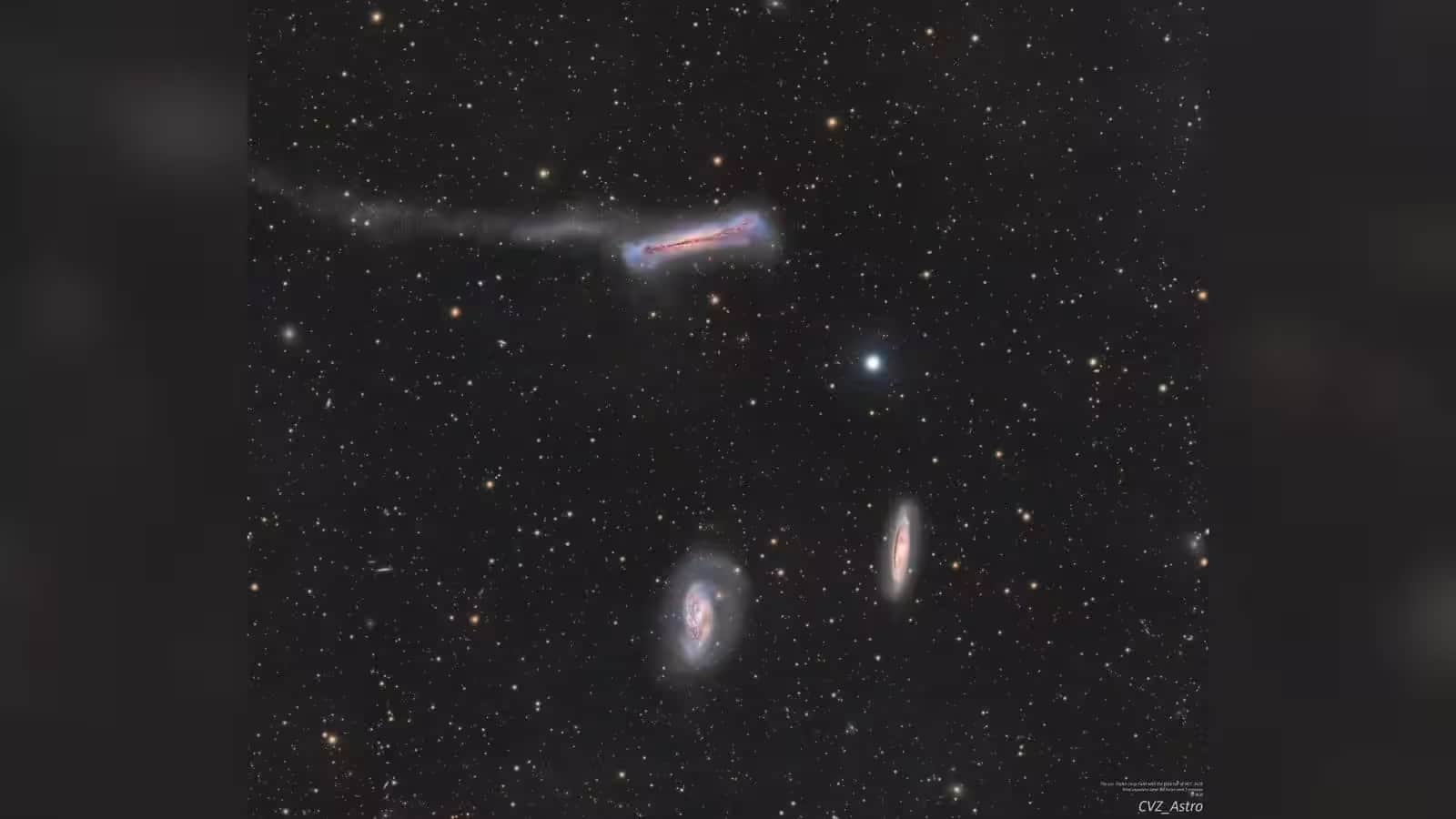
A Dutch astrophotographer has turned a home balcony into a deep-sky observatory, spending 60 hours on a single target to capture the Leo Triplet in rare detail and, almost as a bonus, reveal 548 catalogued galaxies in the background. Cornelis Van Zuilen’s image is a neat reminder that modern amateur astronomy is less about owning a giant dome and more about patience, clean data, and software that can pull faint structure out of the noise.
The subject is the Leo Triplet, the compact galaxy group made up of M65, M66, and NGC 3628. Van Zuilen worked from the balcony of his home in the Dutch village of Heilo, using an Askar 103APO apochromatic telescope that he bought at the end of 2024 for a long-term project to photograph the Messier Catalog.
60 hours on the Leo Triplet
He first tested the target in 2025 and was not satisfied with the result, especially because he wanted the faint tidal tail stretching from NGC 3628. So in 2026 he went back with a far more aggressive plan: start on April 6, shoot across 18 clear nights, and keep only the frames that met his standards.
Recommended reading
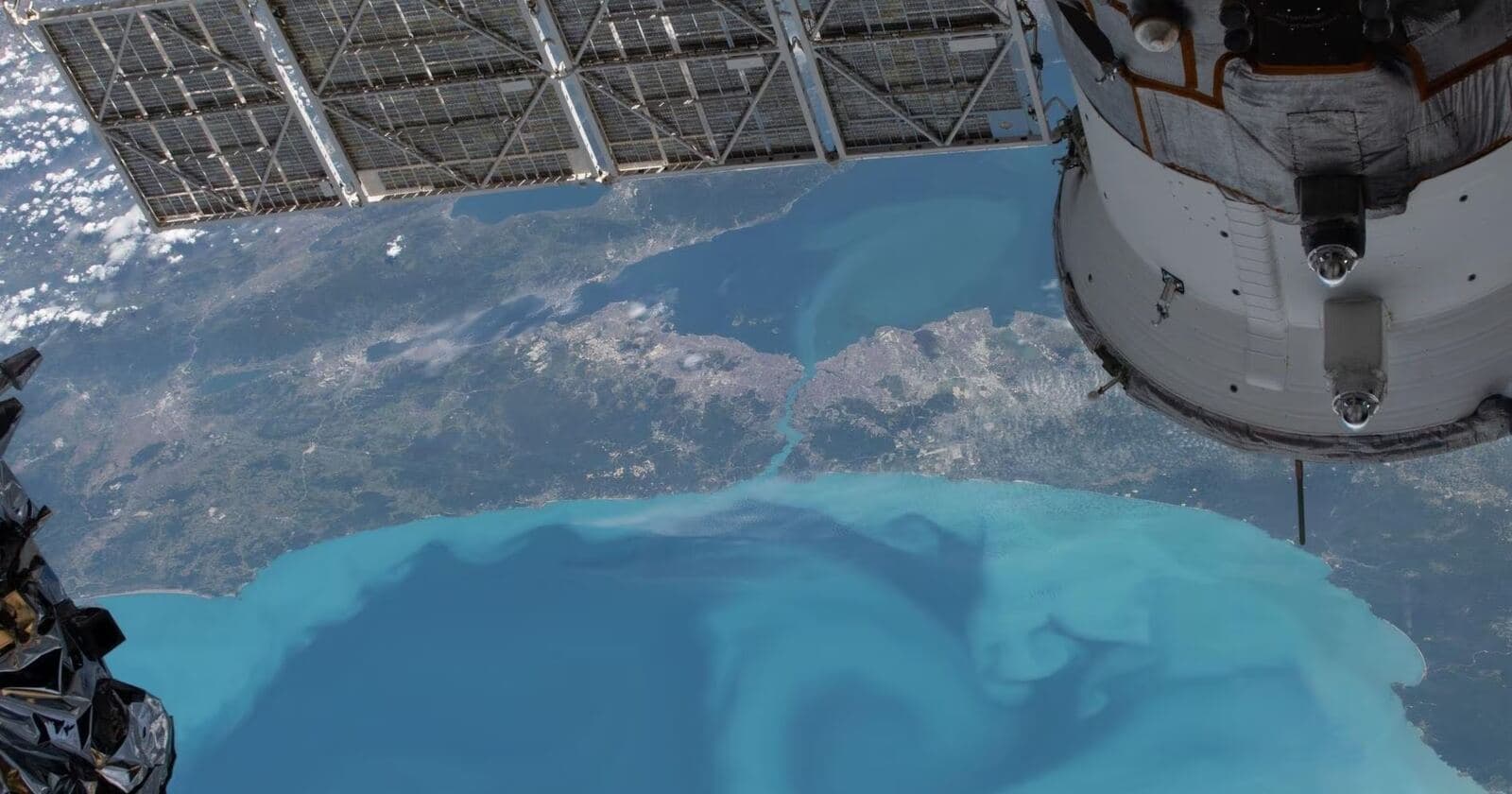
NASA captures a turquoise plankton bloom in the Black Sea
The final tally was 85 hours of collected data, with 60 hours and 3 minutes making the cut. That kind of discard rate sounds brutal, but it is exactly how deep-sky work gets done when the goal is a clean image rather than a merely pretty one.
What the final image revealed
After stacking and editing the data in PixInsight, the finished frame showed the spiral structure of M65 and M66, the dark dust lane that gives NGC 3628 its “Hamburger Galaxy” nickname, and the 300,000-light-year tidal tail stretching away from it. The same image also exposed a deeper trick: a galaxy hunt in the background.
- M65, M66, and NGC 3628 in one frame
- 60 hours and 3 minutes of accepted data
- 300,000-light-year tidal tail from NGC 3628
- 548 catalogued background galaxies identified by PixInsight
That last number is the real flex. Shooting from a residential balcony in light pollution and still pulling out hundreds of distant galaxies says as much about sensor sensitivity and processing discipline as it does about the telescope itself.
Why balcony astrophotography keeps getting better
This is the kind of result that used to require more specialized access, more money, or both. Now the bottleneck is often time, not hardware, and that is good news for serious amateurs who are willing to sit through many clear nights while the rest of us are doing something much less heroic.
Van Zuilen’s image also shows how the field has shifted toward long-term, catalog-driven projects. Photographing the Messier objects one by one is an old ambition, but the combination of better apochromatic optics, stacking software, and aggressive frame rejection makes it realistic in a way it simply wasn’t for most people a generation ago.
The next target in the Messier Catalog
The obvious question now is how far he can push the project from a balcony in Heilo. If 548 galaxies can hide inside one frame of the Leo Triplet, the rest of the catalog may be less about finding the right sky and more about finding the stamina to keep pressing shutter after shutter after shutter.

Frontier Editor
Dan is our resident futurist, covering electric mobility, space exploration, and the smart home. He's interested in atoms just as much as bits. Whether it's a new battery chemistry, a reusable rocket, or a protocol that finally makes IoT devices talk to each other, Dan breaks down the engineering that pushes humanity forward.