• 3 min read
Wide foldables could reshape phones in 2026
Apple’s rumored iPhone Ultra and Samsung’s Galaxy Z Fold 8 may adopt shorter, wider designs to improve video, gaming, and tablet-style use.
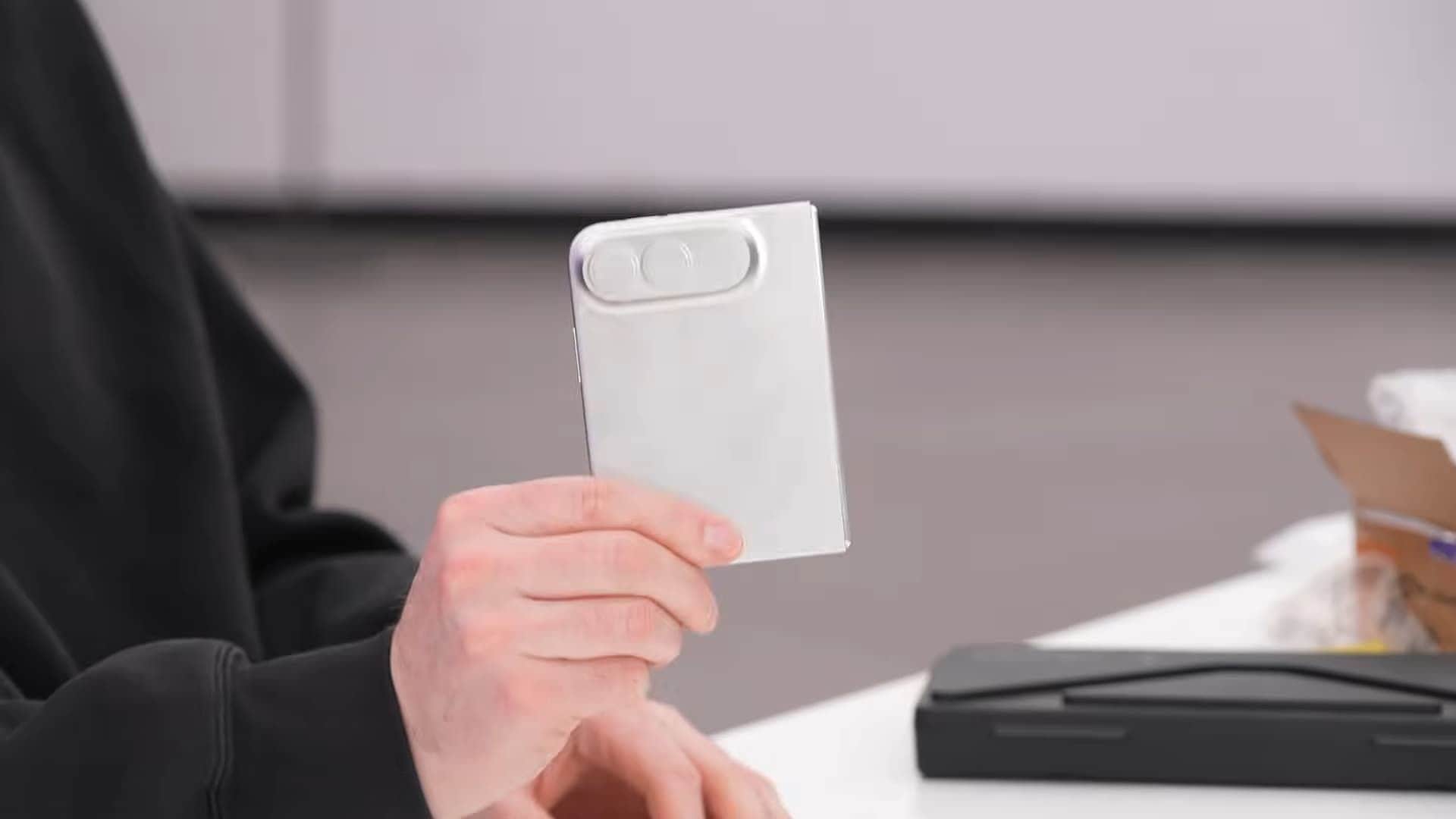
Image: TechRadar
Foldable phones are entering a new phase in 2026, with Apple widely expected to join Samsung and Google—and Samsung reportedly changing its own product strategy in response. After eight years of Galaxy Z Fold launches, the company is expected to introduce two different book-style designs.
Samsung is widely tipped to unveil a standard Galaxy Z Fold 8 and a “wide” version at its next Unpacked event on Wednesday, July 22. The shift is significant because Apple’s rumored iPhone Ultra, also referred to as the iPhone Fold, is expected to use a shorter, wider design.
Mock-ups suggest what Apple’s folding iPhone Ultra could look like. (Image credit: Unbox Therapy)
iPhone Ultra and Galaxy Z Fold 8 designs
Rumors about a foldable iPhone have circulated for years, but the volume and consistency of recent reports suggest that Apple is likely to launch one around September. The rumored design centers on a 5.5-inch cover display and a 7.8-inch main screen, making the device smaller overall than Samsung’s and Google’s existing book-style foldables.
Leaked 3D CAD renders have provided a clearer picture of the hardware. The external shape is one of the most notable aspects, although the visibility of the display crease could have an equally large effect on how attractive the phone is in practice.
Recommended reading
Pixel 11a may get the Tensor G6 after all
Samsung’s Unpacked invitation hints at a revised foldable form factor. (Image credit: Samsung)
Samsung’s wider model was initially known as the Galaxy Z Fold Wide. Recent reports suggest it could instead take the regular Galaxy Z Fold 8 name, while the more conventional model becomes the Galaxy Z Fold 8 Ultra. That would give buyers a direct choice between Samsung and Apple’s shorter, wider approach.
Google does not appear to be following the same path with the Pixel 11 Pro Fold, which is due on Wednesday, August 12. It is expected to retain a more conventional phone shape when closed and a squarer display when opened.
Why wider foldables are arriving
Book-style foldables have always had to balance two different experiences: the phone’s usability when closed and the value of its larger screen when opened. In practice, that compromise has often favored the closed position.
After using several foldables, including a Pixel 9 Pro Fold loaned by Google for many months, the author found that the phone was usually kept closed. The Pixel’s appeal is partly that it resembles a normal phone in that state—but a conventional Pixel is significantly cheaper and thinner.
The standard phone-like aspect ratio also creates a problem on the internal screen. Once opened, the display is close to square, producing large black bars around much video content and many games. Previous foldables have often been more comfortable for watching movies and shows while closed and held horizontally.
An opened Pixel 10 Pro Fold. (Image credit: Philip Berne / Future)
Apple and Samsung’s rumored designs reverse that priority. Their wider phones should produce a more tablet-like 4:3 aspect ratio when unfolded, improving video playback and gaming while retaining the benefits of web browsing and running two apps side by side. For Apple, the result would also be more iPad-like.
That may make the devices look unusually squat when closed, but it puts greater emphasis on the large display—the central reason to buy a book-style foldable. The shift could determine whether the next generation makes foldables more compelling to mainstream buyers.

Gadgets Editor
Eli is obsessed with the tangible future. He reviews phones, wearables, and everything with a battery. Known for his rigorous testing protocols and unabashed teardowns, Eli has broken more review units than he cares to admit, all in the name of discovering the truth about durability and repairability.
via TechRadar