• 3 min read
Waymo gives retired robotaxi batteries a second life on the grid
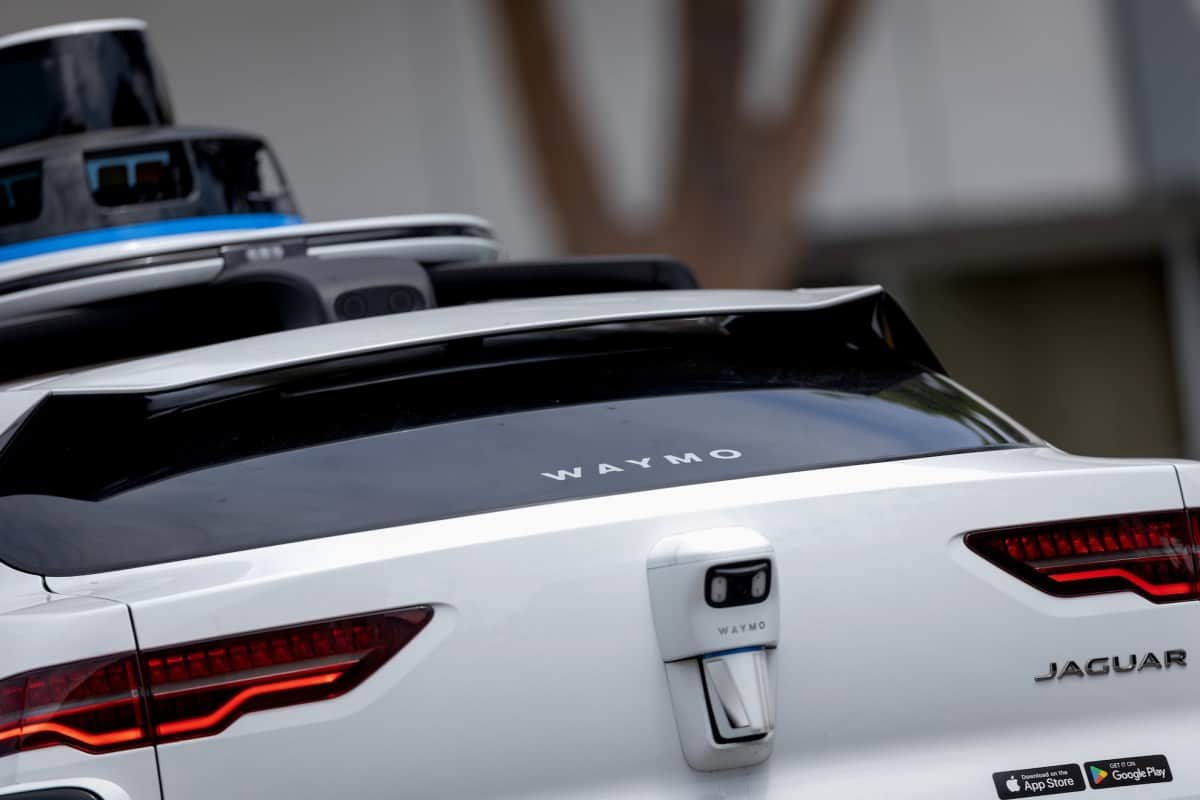
Waymo has found a second life for batteries that can no longer power robotaxis: it is teaming up with B2U Storage Solutions to turn retired packs from its fleet into grid-connected energy storage in California and Texas.
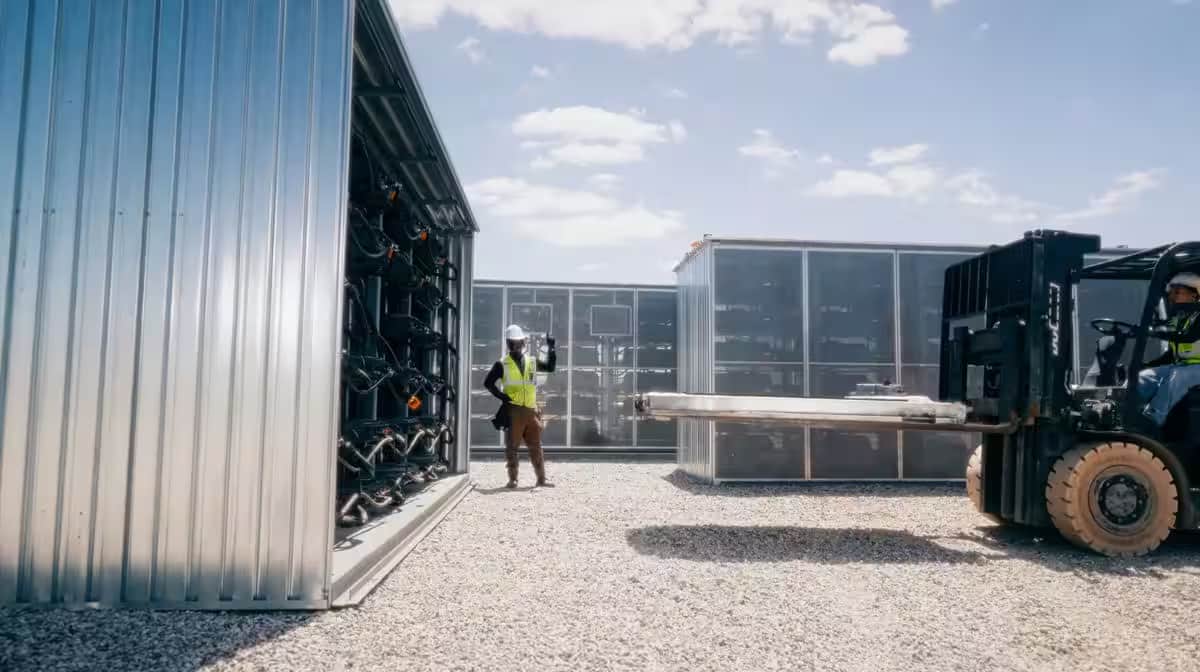
Image: 3dnews.ru
Waymo has found a second life for batteries that can no longer power robotaxis: it is teaming up with B2U Storage Solutions to turn retired packs from its fleet into grid-connected energy storage in California and Texas. The agreement covers hundreds of megawatts of capacity, and it points to a bigger EV headache that gets far less attention than range anxiety or charging speed: what happens when the battery is done powering the vehicle.
In this setup, batteries are removed from service once they are no longer suitable for cars, then installed in stationary storage systems that feed electricity back to the grid during peak demand. B2U says those packs can keep operating safely for several more years before they are finally recycled. That is a nice bit of extra mileage from hardware that would otherwise head straight toward the scrap pile.
Why robotaxi batteries wear out faster
The twist here is utilization. A personal EV spends most of its life parked, but a Waymo robotaxi is constantly in motion, and that kind of duty cycle eats into battery life much faster. Waymo says it handles over 500,000 trips a week, so the company is dealing with a retirement pipeline that ordinary drivers simply do not create.
Recommended reading
EV batteries last longer as US sales slide
That matters beyond one autonomous taxi fleet. Electric buses, delivery vans, courier vehicles, and ride-hailing cars all rack up miles fast, which means second-life programs could become a lot more important as commercial EV adoption accelerates. Repurposing is not a cure-all, but it does stretch the value of a battery before recycling kicks in.
What the Waymo and B2U Storage Solutions partnership does
- Retired Waymo battery packs are reused as stationary storage instead of being scrapped immediately.
- The systems are connected to the grid in California and Texas.
- The storage helps supply electricity during periods of peak demand.
- The batteries are expected to stay useful for several more years before recycling.
It is a pragmatic move, and one the industry has been circling for years. Carmakers and battery companies have long talked up circularity, but fleets make the economics much cleaner because they generate a steady stream of used packs with similar wear patterns. That gives second-life operators something closer to a real supply chain, not just a hopeful sustainability slogan.
The battery problem EV boosters keep sidestepping
The environmental win is obvious: squeezing more use out of a lithium-ion battery delays waste and recovers more value from materials already mined and manufactured. The less glamorous truth is that the end of the road still exists, and it still involves toxic materials that have to be handled carefully. Second life buys time, but recycling is still waiting at the end of the line.
For now, Waymo’s deal looks like a sensible template for fleets that burn through batteries faster than private owners ever will. The bigger question is how many other operators will follow before the first wave of commercial EVs starts arriving at retirement age in volume.
Frontier Editor
Dan is our resident futurist, covering electric mobility, space exploration, and the smart home. He's interested in atoms just as much as bits. Whether it's a new battery chemistry, a reusable rocket, or a protocol that finally makes IoT devices talk to each other, Dan breaks down the engineering that pushes humanity forward.
via 3dnews.ru