• 2 min read
Verizon lands $1 billion Google dark fiber deal
Verizon signs a $1 billion Google deal to connect US AI data centers using existing dark fiber and expands its fiber footprint to 31 states.

Image: TechRadar
Verizon has signed a $1 billion deal with Google to connect data centers across the US using existing dark fiber infrastructure, positioning the agreement as the first major transaction under its broader AI Connect initiative.
The telecom company plans to use its fiber assets to link AI data centers and support collaboration on compute workloads. Verizon CEO Dan Schulman said the company is removing copper from central offices and replacing it with modern fiber to meet rising demand from AI workloads in workplaces.
Verizon expects its AI Connect deals to expand over the next decade, although it has not disclosed the agreement’s duration, the specific data centers involved, or how much new construction will be required.
Verizon’s dark fiber strategy
The Google deal relies on fiber that Verizon already owns. Some of that infrastructure was installed in the 1990s and early 2000s, while other portions entered Verizon’s portfolio through acquisitions, including its purchase of MCI in 2006. Much of the capacity has remained largely unused, allowing Verizon to pursue new connectivity contracts without the same level of capital spending required to build an entirely new network.
Recommended reading
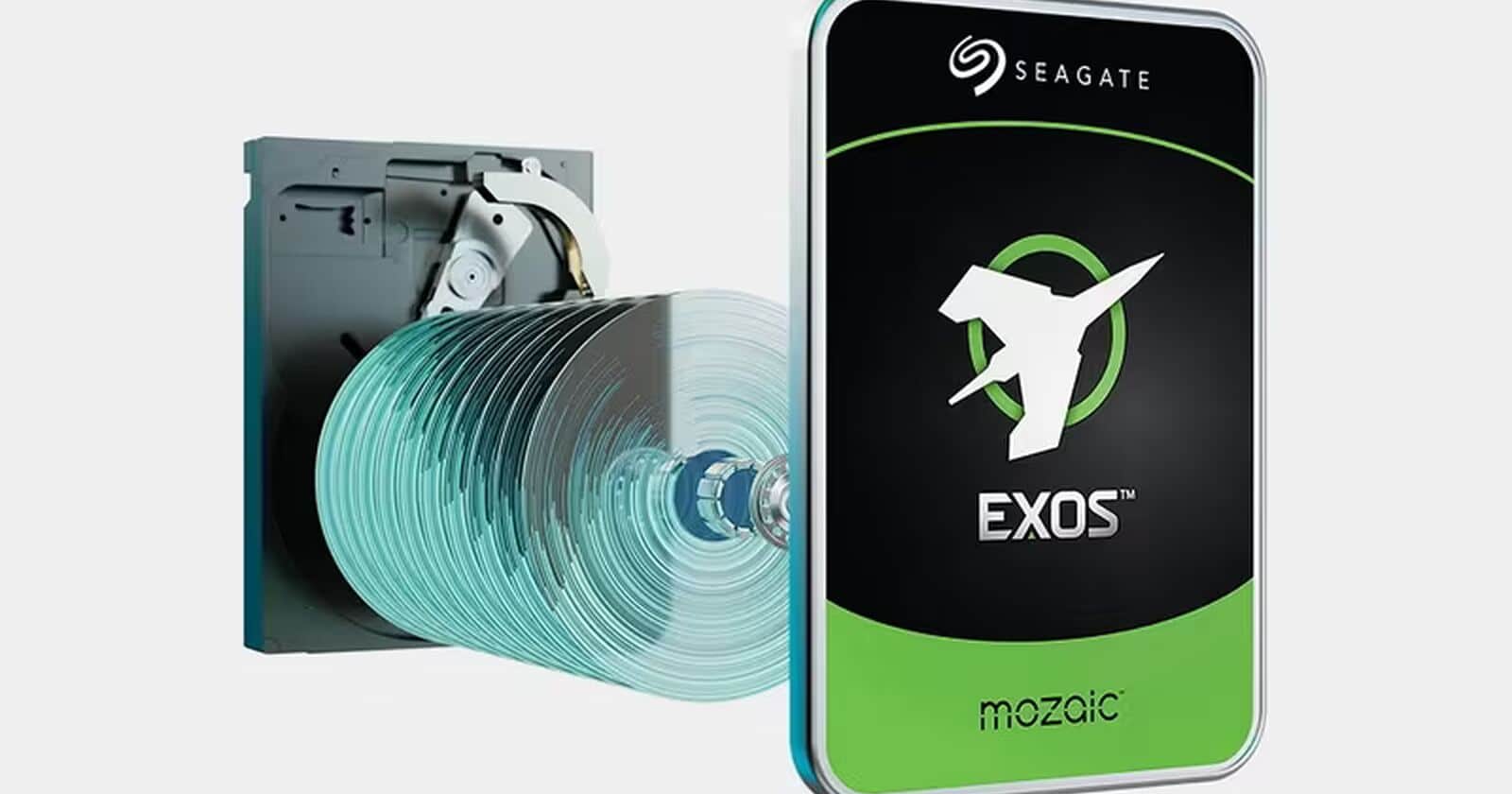
Seagate books HDD capacity through 2028 as 50TB drives near
The company’s fiber footprint also expanded substantially after it completed its $20 billion purchase of Frontier Communications earlier in 2026. Verizon now has fiber coverage across 31 states, up from 15, as well as Washington, DC.
Schulman said Verizon is also seeing demand from smaller AI-driven businesses, including autonomous robotaxi fleets. During an earnings call, he said:
“Sold out capability in 24 hours. So we’re seeing a large demand for that as well.”
A potential shift in Verizon’s competitive position
Verizon’s recent moves have accompanied a broader transformation under Schulman and could strengthen its position against T-Mobile and AT&T. New Street Research analyst David Barden said Verizon’s latest moves and second-quarter results are putting pressure on its rivals to defend their market share rather than expand it.
“Adding incremental pressure on T-Mobile and AT&T to defend share rather than take it. It also may suggest that cable’s wireless push and cable’s own broadband churn is where the next leg of competitive pressure is coming from.”
As more AI data centers are approved and brought online, Verizon’s $1 billion Google agreement could become the first of several dark fiber deals. The company is now positioned to pursue direct fiber links between AI data centers using infrastructure it has held for years.
Enterprise Editor
Marcus follows the money. He covers enterprise software, cloud architecture, and the tectonic shifts in Big Tech strategy. He translates dense earnings calls and complex M&A activity into actionable insights about where the industry is actually heading. If a tech giant makes a silent pivot, Marcus is usually the first to notice.
via TechRadar