

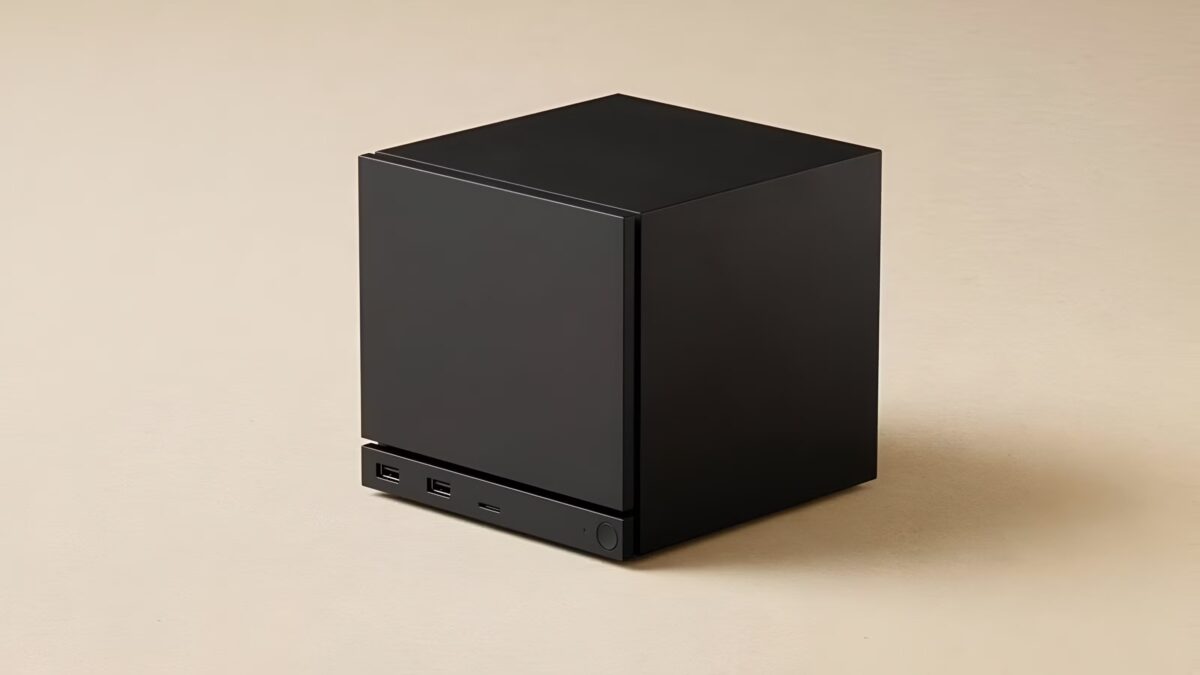
Valve’s Steam Machine console PC has faced an odd limitation since its debut: it lacked support for HDMI 2.1, a puzzling omission for a device designed to connect directly to TVs. Now, AMD has updated its Linux driver to enable HDMI 2.1 features on the Steam Machine, potentially unlocking high-bandwidth video output.
Valve previously attributed the HDMI 2.1 support gap to missing open-source drivers for Linux and restrictions imposed by the HDMI Forum, despite the hardware itself being capable of the newer features.
According to Phoronix, AMD’s latest update to its amdgpu Linux driver adds support for HDMI Fixed Rate Link (FRL), a key component of the HDMI 2.1 standard. This update enables high-bandwidth data transmission up to 48 Gbps, unlocking capabilities such as:
- 4K resolution at 120Hz refresh rates
- Variable refresh rate (VRR) support
- Enhanced HDR features
Valve has not yet confirmed whether it will officially roll out HDMI 2.1 support on the Steam Machine. Licensing issues and policies from the HDMI Forum could continue to complicate matters despite this driver-level progress.
Currently, the Steam Machine relies on DisplayPort 1.4, which supports even more demanding specs like 4K at 240Hz. However, DisplayPort inputs are uncommon on TVs, limiting its usefulness for typical living room setups.
Adding HDMI 2.1 support is important for delivering smooth 4K at 120 frames per second with VRR-a feature already standard on devices like PlayStation 5, Xbox Series X, and many high-end gaming PCs. With AMD’s FidelityFX Super Resolution and Fluid Motion Frames technologies, even demanding games could hit these targets on the Steam Machine.
Details on the Steam Machine’s release date and pricing remain undisclosed. The launch has already been delayed, and the device is now expected to cost more than initially planned.

For context, Valve’s Steam Machine aims to blend PC gaming with console simplicity by running SteamOS on custom hardware. Unlike Valve’s handheld Steam Deck, which leverages USB-C video output, the Steam Machine targets a traditional living room experience via HDMI. It competes directly with Sony, Microsoft, and Nvidia’s Shield TV platform, all of which support HDMI 2.1 for high refresh rates and HDR.
HDMI 2.1 has become a baseline for new gaming devices to ensure compatibility with the latest TVs and displays, which increasingly demand high-bandwidth connections for 4K120 and even 8K gaming.
Going forward, the key question is whether Valve can clear the licensing hurdles and deliver full HDMI 2.1 support in time to capitalize on the growing demand for next-gen console capabilities on PC hardware.