
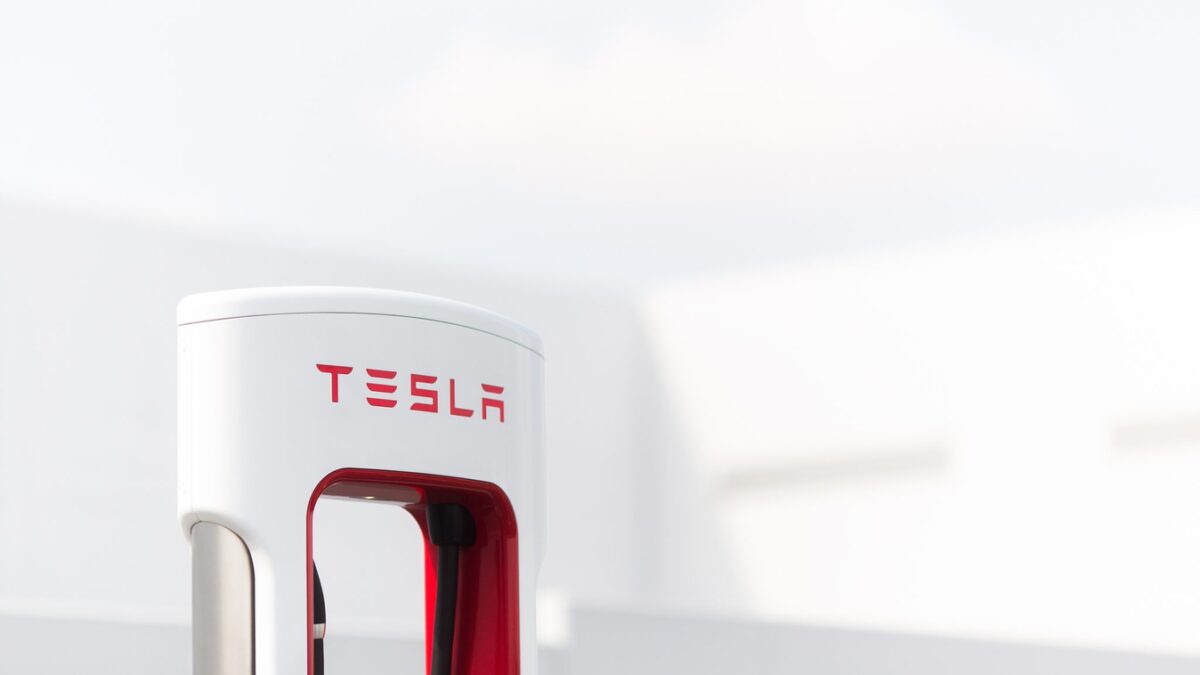
Tesla is testing a virtual waiting list for Supercharger stations in California and New York, a software fix aimed at one of the ugliest moments in EV life: drivers arguing over who gets the next fast-charge slot. The pilot is live at select sites, and Tesla is collecting feedback through its app before deciding whether to roll it out more widely.
The idea is straightforward: instead of a physical scrum at a busy charger, the app automatically places drivers in line and hands out access in order. That should make peak-time charging less chaotic, and it also gives Tesla a cleaner way to manage demand without building new stalls overnight, which would be the expensive option.
Where the Tesla Supercharger queue pilot is running
So far, Tesla says the test is active at Supercharger locations in Los Gatos, Mountain View, San Francisco, San Jose, and the Bronx in New York. That mix is telling: these are the kinds of dense urban locations where wait-time friction shows up fastest and where a queueing system is likely to get its hardest workout.
Supercharger remains Tesla’s crown jewel in charging infrastructure, with more than 60,000 points across more than 6,000 locations worldwide. Competitors have been racing to narrow the gap, but availability alone does not solve the human problem of line cutting, confusion, and the occasional bad-tempered standoff.
How Tesla’s queue system is supposed to work
- Drivers join the line through the Tesla app.
- The system assigns charging access in strict order.
- Tesla is using app-based feedback to refine the pilot before a wider launch.
It is a classic Tesla move: solve a messy real-world issue with software first, then worry about the rest later. If the pilot works, the company gets a more disciplined Supercharger experience with minimal hardware changes. If it fails, at least the company learned where digital fairness breaks down once impatient humans are involved.
What Tesla is trying to avoid
Fast-charging queues are still a niche pain point, but they are exactly the sort of niche pain point that can poison a premium user experience. As EV adoption rises and charging hubs get busier, the winners will not just be the networks with the most plugs, but the ones that keep the process from feeling like a supermarket checkout line during a power outage.
The bigger question is whether drivers will trust an app-based queue when the station is full and the battery is low. If Tesla can make this feel fair and predictable, the system could become one more reason its charging network stays ahead of the pack.