

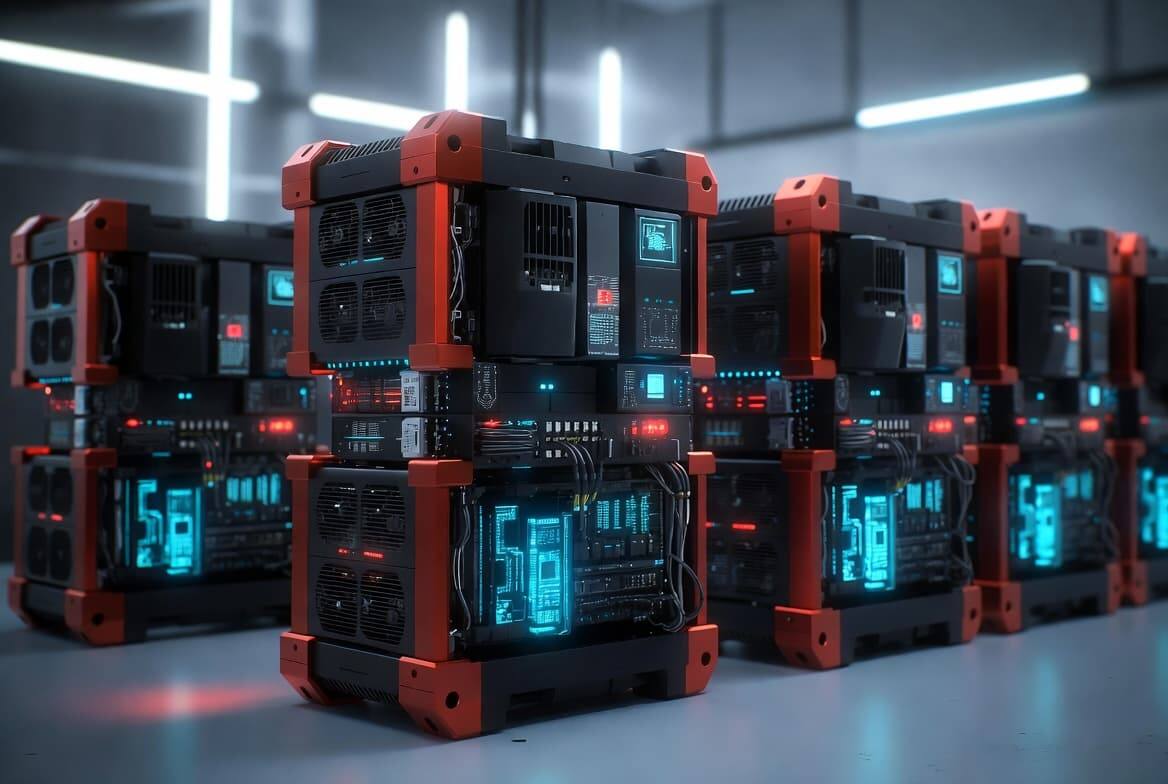
Tesla has filed a trademark for ”Megapod,” and the filing points to something bigger than a software update or a curious branding exercise: modular server hardware for AI data centers. The Tesla Megapod trademark description reads like an attempt to package compute, power, cooling, and management software into one rack-ready unit, which is exactly the sort of vertical integration Tesla tends to like when it thinks a market is underserved.
There is no image yet and no official explanation from Tesla, so the filing is doing all the talking. That still leaves a fairly clear picture: the company is laying claim to a family of AI-focused systems rather than a single server box, and the trademark language suggests Tesla wants Megapod to cover both the hardware stack and the software used to monitor and tune it.
What the Megapod filing describes
The trademark text mentions modular hardware systems for data centers designed for AI computing, including computer servers, AI data processing hardware, networking equipment, power distribution units, and cooling systems. It also refers to autonomous modular computing systems for AI workloads and integrated computer hardware platforms sold as a single unit.
- Servers for AI workloads
- Networking gear
- Power distribution hardware
- Cooling systems
- Software for monitoring and optimization
Why Tesla would want a modular AI server stack
AI infrastructure is becoming a hardware race as much as a chip race. Nvidia still dominates the accelerator side, while cloud and data center operators are spending heavily on denser racks, better cooling, and cleaner power delivery to keep up with demanding models. A Tesla-branded modular system would fit that trend neatly, especially if the company wants something easier to deploy than a traditional custom-built server room.
The ”Megapod” name also sounds suspiciously like a product family meant to scale, not a one-off prototype. That is a familiar playbook in enterprise hardware: give buyers a repeatable unit, promise easier installation and maintenance, then sell the software that keeps the whole thing from overheating or wasting power.
Tesla has said nothing yet
For now, the filing is the story. Tesla has not offered a public comment, and there is no product image to inspect or benchmark to argue over. The absence of details leaves room for speculation, but trademark language like this usually appears before a company is ready to talk, not after it has finished the launch party.
The real question is whether Tesla is preparing an internal AI infrastructure product, a commercial server line, or both. If the company follows the pattern seen across the industry, expect more filings first and more hardware naming later.