• 3 min read
Tesla Hardware 3 and the FSD retrofit problem
Elon Musk has finally said the quiet part out loud: millions of Tesla cars sold with Hardware 3 cannot deliver unsupervised self-driving, and the company now has to figure out how to retrofit them. That admission is ugly
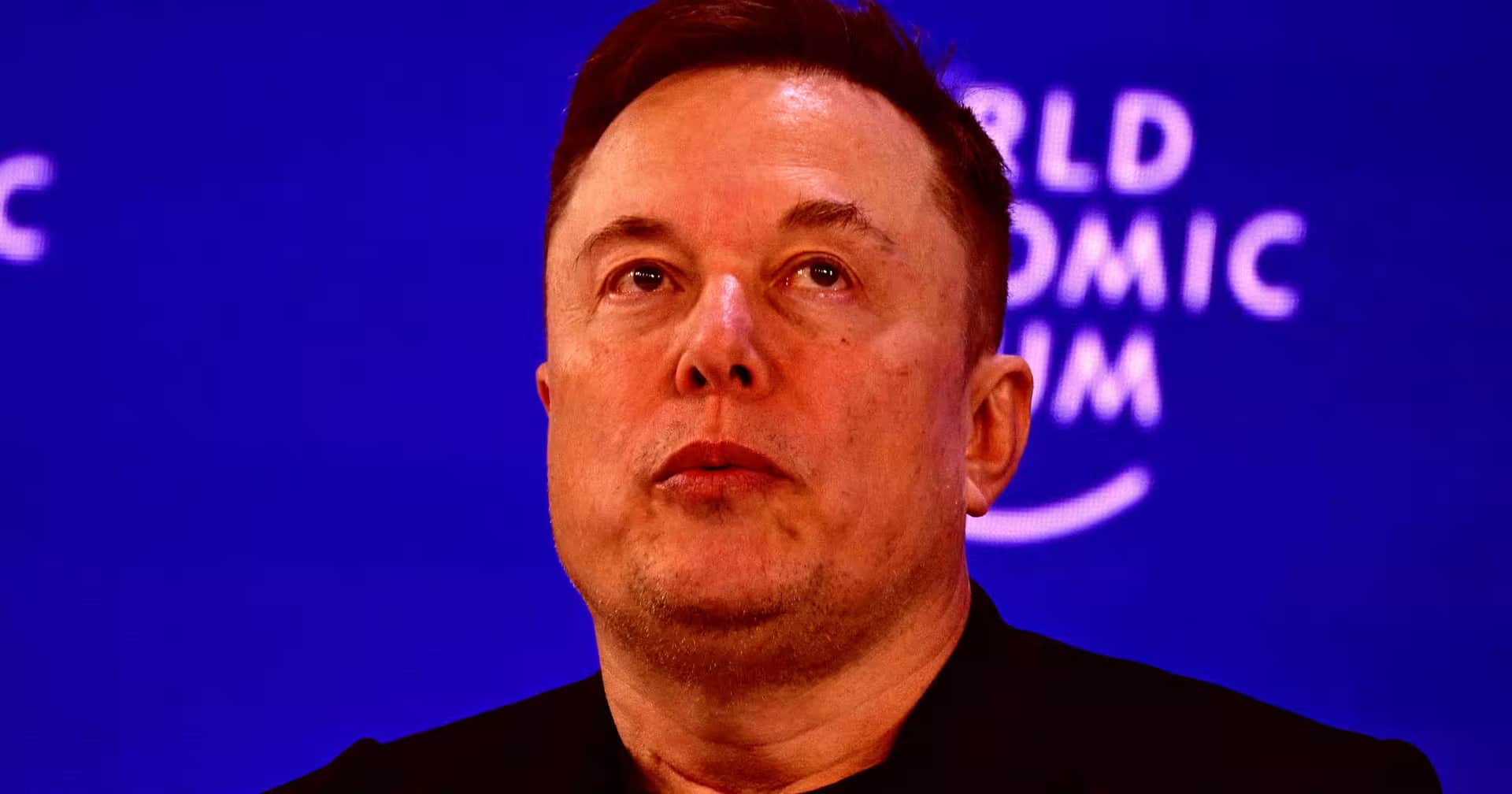
Elon Musk has finally said the quiet part out loud: millions of Tesla cars sold with Hardware 3 cannot deliver unsupervised self-driving, and the company now has to figure out how to retrofit them. That admission is ugly for Tesla owners who paid extra for Full Self-Driving and for a company that spent years selling a future the hardware apparently could not support.
Tesla is still using the FSD label for a feature that requires constant supervision, while the actual upgrade path for older cars looks expensive, logistically messy, and far from settled. In the broader EV market, this is the kind of hardware mismatch rivals try to avoid by keeping driver-assistance branding conservative and the promises smaller.
Tesla Hardware 3 is the bottleneck
During Tesla’s earnings call, Musk said Hardware 3 “simply does not have the capability to achieve unsupervised FSD,” blaming its memory bandwidth for the limitation. That is a clean sentence, but it lands like a confession years late. Tesla started fitting HW3 in early 2019 and told customers it would support the company’s self-driving ambitions; by January 2025, Musk was already admitting that a retrofit would be needed.
For owners, the frustration is obvious. They bought into a feature package that has always been marketed as almost there, yet the car in the driveway still cannot do the thing on the box. Lawsuits were inevitable once the promise stopped looking like a product roadmap and started looking like a moving target.
Tesla’s FSD retrofit plan is still fuzzy
Tesla now says it is exploring “microfactories” in cities to swap HW3 computers and camera systems for HW4 hardware. Musk also mentioned a possible “discounted trade-in” program, though he did not explain how that would work. That vagueness matters: retrofitting millions of cars is not the same as shipping a software update, no matter how often Tesla talks as if it were.

Recommended reading
Uber bets $100 million on former CEO Kalanick
- Hardware 3: sold starting in early 2019
- FSD (Supervised): Tesla’s current naming for a system that still needs human oversight
- Unsupervised FSD: the capability Tesla says HW3 cannot reach
- HW4: the newer hardware Tesla says would enable Robotaxi plans
Robotaxi ambitions now depend on old cars
The awkward part is that Tesla is not just trying to fix a customer relations problem; it is trying to protect a core story about Robotaxi and autonomy. If HW3 cars cannot join that future, then Tesla has to pay to move them forward or keep explaining why its most loyal buyers are stuck with yesterday’s silicon.
That is where the economics bite. Tesla’s latest quarterly earnings showed profitability under pressure after several years of falling revenue, which makes a mass retrofit program sound less like a neat engineering solution and more like a very expensive apology. The company can still try to dress it up as a phased hardware upgrade, but investors and customers know what it really is: the cost of overpromising and underbuilding.
What Tesla owners are likely to see next
The most likely near-term outcome is delay, then more delay. Tesla may start with a limited retrofit rollout in a handful of major cities, partly to prove it can be done and partly to avoid the chaos of a company-wide promise it cannot yet operationalize. The bigger question is whether owners get a genuine hardware swap, a trade-in nudge, or another round of carefully worded optimism masquerading as progress.
Frontier Editor
Dan is our resident futurist, covering electric mobility, space exploration, and the smart home. He's interested in atoms just as much as bits. Whether it's a new battery chemistry, a reusable rocket, or a protocol that finally makes IoT devices talk to each other, Dan breaks down the engineering that pushes humanity forward.