• 2 min read
Instagram’s Instants app borrows Snapchat’s best trick
Instagram is testing a standalone app called Instants, and the pitch is almost aggressively simple: take a photo or short video, send it right away, and let it vanish after one view or 24 hours if nobody opens it. It is
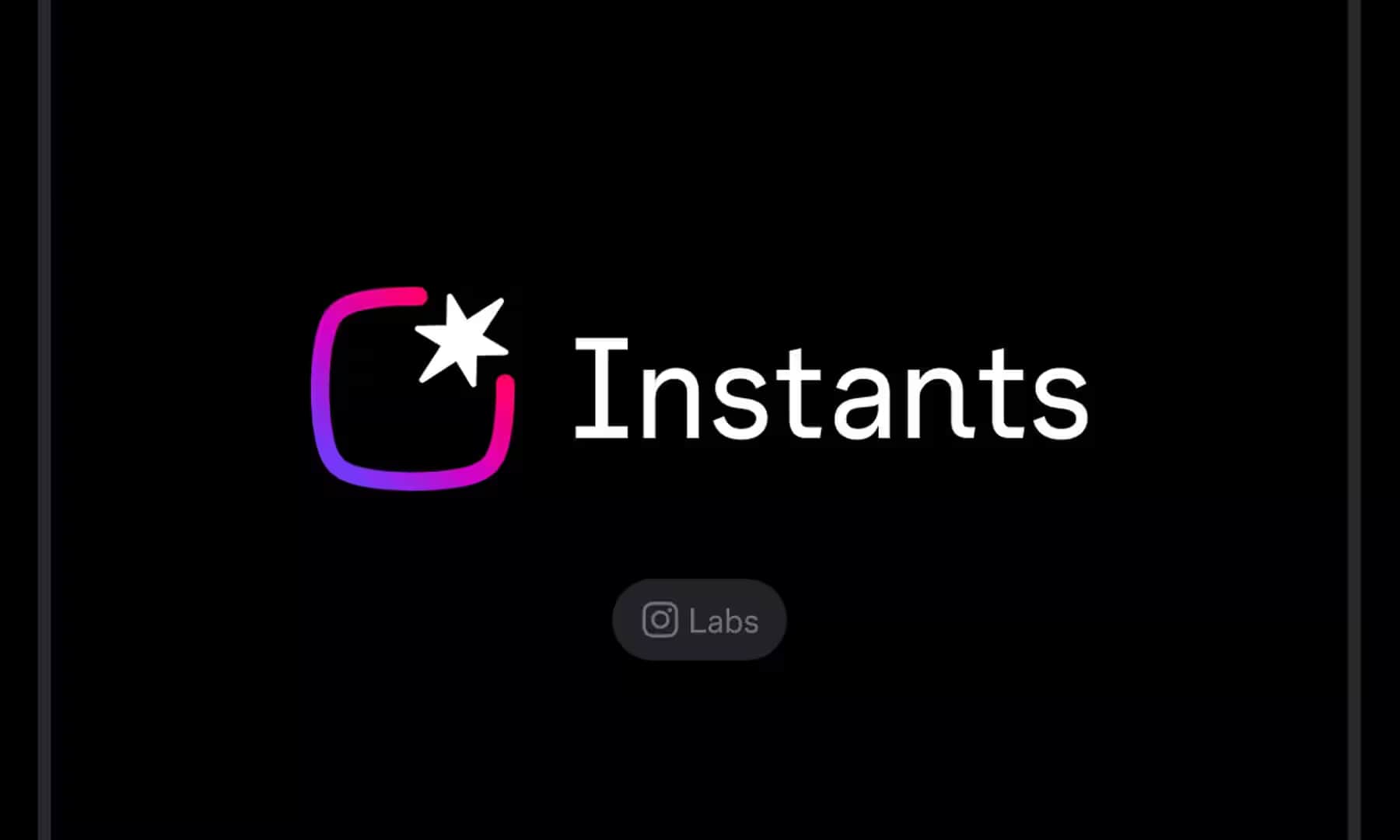
Image: digitaltrends.com
Instagram is testing a standalone app called Instants, and the pitch is almost aggressively simple: take a photo or short video, send it right away, and let it vanish after one view or 24 hours if nobody opens it. It is a familiar idea wearing a fresh Meta badge, and it shows how hard the company is still working to capture the easy, low-pressure sharing that made Snapchat stick in the first place.
The test is reportedly running in select regions such as Spain and Italy, which is a good hint that this is still a prototype rather than a launch. Meta has a long habit of taking a rival’s most useful behavior and packaging it for a much larger audience; Stories and Reels did not exactly appear out of thin air.
What Instants actually does
Instants is built around speed, not polish. There are no heavy edits and no filters-first performance art routine; you open the app, capture something, and send it. The audience is also tightly constrained, typically to mutual followers or close friends, which makes the whole thing feel more like a private exchange than another mini-broadcast network.
That design choice is telling. The social web has spent years rewarding polished public posting, then spent the last few trying to undo the anxiety it created. Snapchat proved there is real demand for content that feels temporary and less performative; BeReal rode a similar wave by leaning into spontaneity, even if the novelty eventually wore thin. Instagram is now trying to bottle that mood in a separate app instead of burying it inside DMs.
Recommended reading
Vertical video now runs the internet
Why Meta keeps building the same thing twice
The standalone-app strategy makes sense if Meta wants to test behavior without disturbing Instagram’s main feed. It also lets the company find out whether people will download yet another app for a feature they already half-expect inside the one they use every day. That is the gamble: the lighter experience may be more appealing, but the extra app icon is still friction, and friction is the enemy of social software.
If Instants goes anywhere, it will probably be because it solves a real user problem rather than because it looks clever on a product slide. People do want smaller, more intimate sharing spaces. The open question is whether they want them badly enough to trust Meta with another app whose whole personality is “Snapchat, but make it Instagram.”
Culture Editor
Maya explores gaming, streaming, and the internet as a place where people actually live. From deep-dives into creator economies to the anthropology of digital communities, she tracks platform drama and cultural shifts so you don't have to. She believes the best tech stories are fundamentally about human behavior.