

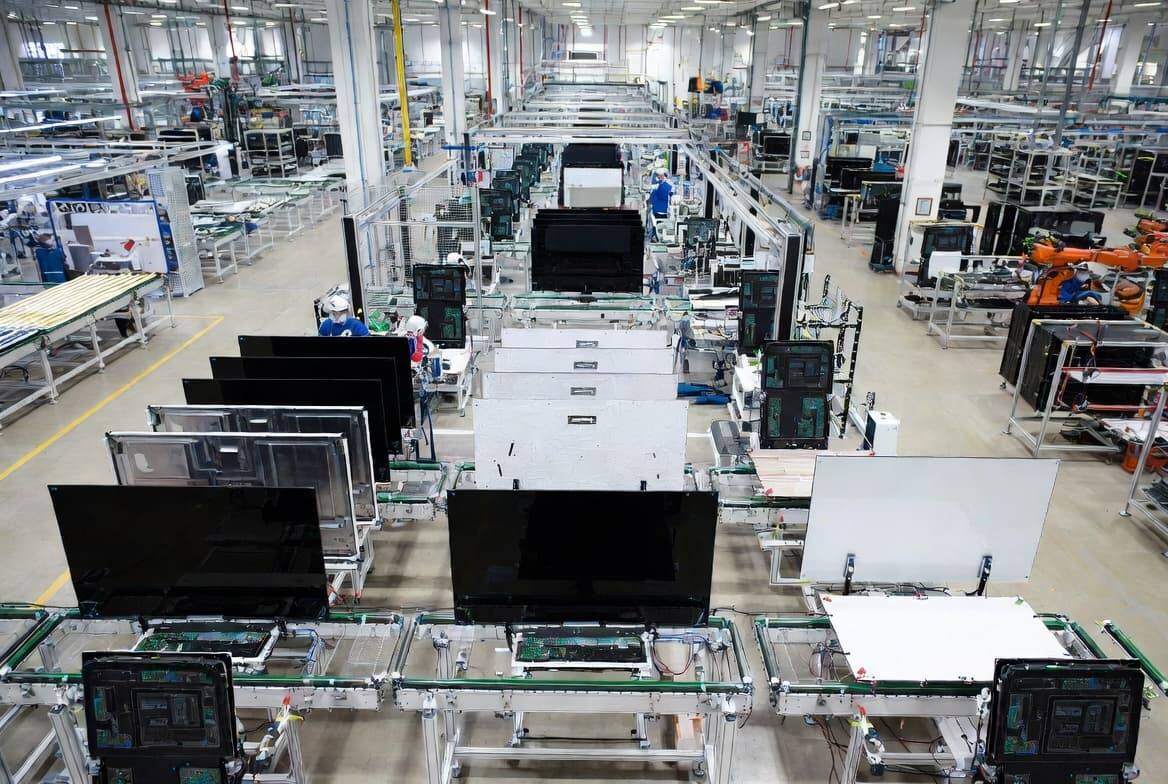
TCL is preparing to pour more money into its Zhongkai high-tech zone plant in Huizhou, and the numbers are eye-catching even by manufacturing-boom standards: once fully ramped, annual output there is expected to exceed 50 million TVs. That would make it the world’s largest TV production base, and TCL’s China TV factory is a sign that the company still believes scale is the blunt instrument that wins in consumer electronics.
The move also says something about where the TV business is heading. Flat panels are a mature category, but premium sets with Mini LED backlighting are still growing fast, giving manufacturers a rare excuse to keep expanding capacity instead of just squeezing margins. TCL is clearly betting that volume, not caution, will do the heavy lifting.
Zhongkai is already a heavyweight industrial cluster
TCL Kingstar Appliance, founded in 1994, is the group’s largest manufacturing base and only one piece of a wider footprint that includes production sites in Chengdu, Vietnam, Mexico, Brazil, Pakistan, and elsewhere. That spread matters: when one market cools, another can pick up the slack, and it gives TCL options that smaller rivals simply do not have.
The Zhongkai high-tech zone in Huizhou is already packed with display-industry names such as TCL, CSOT, Asahi Glass, and Mogao Technology. The area counts 3 companies with revenue above 10 billion yuan and 45 companies above 100 million yuan, which helps explain why TCL keeps doubling down there rather than treating the site as just another factory location.
Mini LED TV shipments are driving TCL’s expansion
- TCL TVs rank in the top 3 in more than 20 countries worldwide.
- Mini LED TV shipments rose 102.1% year on year in the first quarter of 2026.
- Overseas Mini LED shipments grew 178.3% in the same period.
Those figures help explain why TCL is not acting like a company defending a legacy product line. Rivals are also pushing harder into premium LCD and Mini LED, but TCL’s answer is to scale up manufacturing before the category gets crowded enough to compress pricing. That is a familiar play in China’s electronics sector: build first, fight for share later.
The global demand outlook will decide whether the bet pays off
The question now is whether TCL can keep selling enough high-end sets to justify a factory of this size. If Mini LED demand keeps climbing, the answer looks comfortable; if growth slows, 50 million units a year starts to look less like industrial muscle and more like a very expensive bet on consumers staying loyal to bigger, brighter screens.