

- Processor: MediaTek Dimensity 7300
- Memory: 8 GB RAM
- Storage: 256 GB, plus microSD support
- Display: 6.67-inch OLED, 2436 × 1080 pixels, 120 Hz
- Charging: 30 W wired, up to 15 W wireless
Germany-built phone, premium price
The hardware is rounded out by a 32-megapixel front camera and a rear setup with 64-, 8-, and 2-megapixel sensors. Final assembly takes place in Germany, and the phone is already being sold through Punkt.’s online store for 745 euros, with worldwide delivery. For buyers, that price is the real test: privacy and repairability sound good, but this device now has to justify itself against better-known rivals with deeper software ecosystems.
What happens next is fairly clear. If Punkt. can prove that the MC03’s privacy tools feel simple rather than fiddly, it may carve out a niche among people tired of surveillance-by-default phones. If not, it risks becoming another well-meaning specialist handset that only the most committed buyers remember exists.
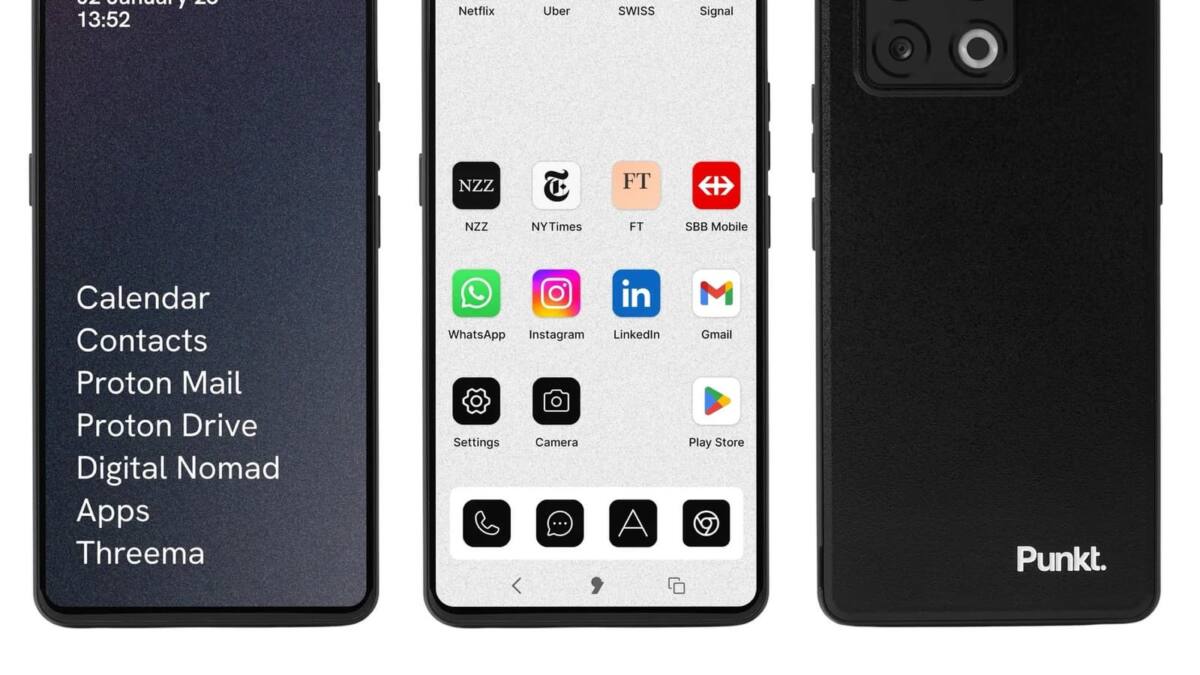
Punkt. has put the MC03 on sale, turning a privacy-first concept into a real product with a pretty unusual pitch: the phone ships with AphyOS, an operating system based on GrapheneOS, a built-in VPN, and no mandatory subscription after purchase. That last part is the clearest sign the company heard the criticism and adjusted course before launch.
The bigger story is that the MC03 tries to sell two things at once: less data exposure and more longevity. In a market where most phones look and feel interchangeable, that combination gives Punkt. a sharper identity than the usual ”secure phone” marketing fluff.
AphyOS puts privacy at the center
AphyOS uses a minimalist interface and runs each third-party app in an isolated sandbox, which limits what those apps can reach. Punkt. says the phone will get three years of major system updates and five years of security patches, a support window that is respectable rather than heroic but still enough to keep the device from aging out too quickly.
That privacy stack lands in a market that already includes hardened Android alternatives, from Google’s Pixel line to specialist devices that promise tighter control over data. The difference here is that Punkt. is trying to package the message in a more consumer-friendly shell, not a developer toy.
Repairable hardware with IP68 protection
Punkt. also leans hard on repairability. The MC03 is rated IP68 for water and dust resistance, and its 5200 mAh battery can be replaced by the user. That is the sort of spec sheet detail that usually gets buried under camera hype, yet it matters more over a phone’s life than another AI badge slapped on the box.
- Processor: MediaTek Dimensity 7300
- Memory: 8 GB RAM
- Storage: 256 GB, plus microSD support
- Display: 6.67-inch OLED, 2436 × 1080 pixels, 120 Hz
- Charging: 30 W wired, up to 15 W wireless
Germany-built phone, premium price
The hardware is rounded out by a 32-megapixel front camera and a rear setup with 64-, 8-, and 2-megapixel sensors. Final assembly takes place in Germany, and the phone is already being sold through Punkt.’s online store for 745 euros, with worldwide delivery. For buyers, that price is the real test: privacy and repairability sound good, but this device now has to justify itself against better-known rivals with deeper software ecosystems.
What happens next is fairly clear. If Punkt. can prove that the MC03’s privacy tools feel simple rather than fiddly, it may carve out a niche among people tired of surveillance-by-default phones. If not, it risks becoming another well-meaning specialist handset that only the most committed buyers remember exists.