

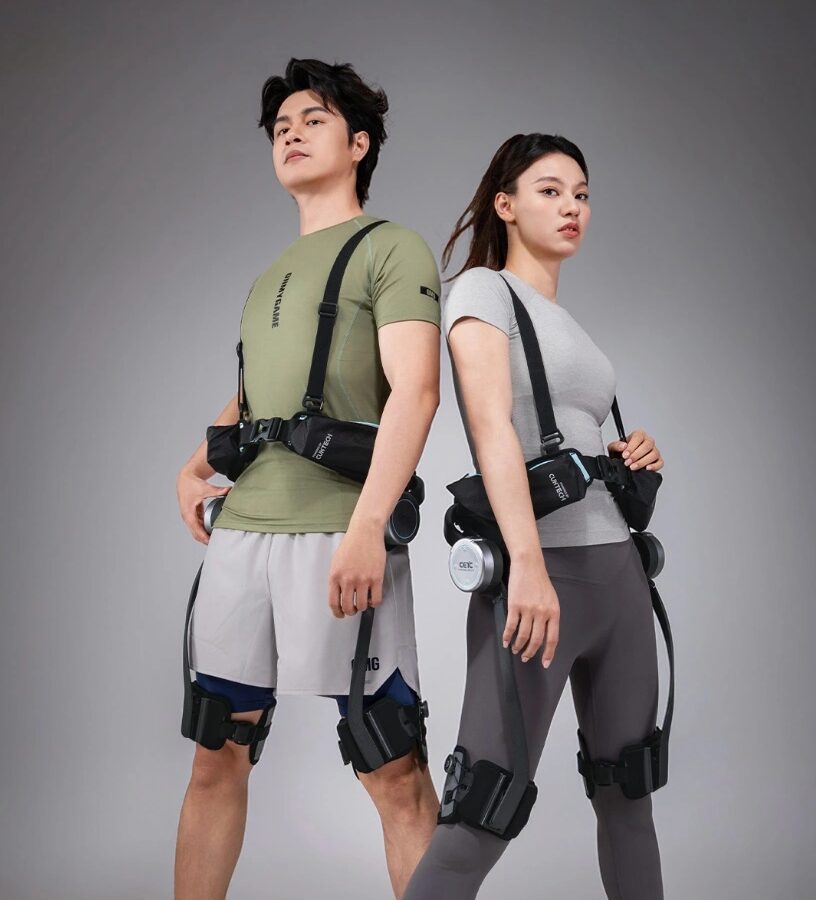
Cuktech is recruiting 50 people in China to test a robot exoskeleton built for hiking and climbing, with the company promising to hand the device over free of charge after the campaign ends. The catch is straightforward: participants need to be healthy adults, use the gear regularly, and file feedback during the trial period.
The sign-up window runs from 29 June to 5 July. Cuktech says priority will go to hiking and mountaineering bloggers, along with experienced outdoor users, which makes sense for a product that needs real-world abuse rather than polite desk-side admiration. Outdoor wearables are getting a lot more serious lately, and the exoskeleton category sits right at the intersection of fitness gear and robotics.
Who can join the Cuktech exoskeleton trial
The company is limiting the program to healthy people aged 18 and older who do not have joint, lower-back, or cardiovascular conditions. Selected participants must use the equipment at least three times a week for 15 days a month and provide written, photo, or video reviews on time.
There is also a financial hurdle: testers must put down a 2,000 yuan deposit, or $300. Cuktech says the money will be returned within 10 working days after evaluation, as long as the equipment is undamaged and all parts are accounted for. That deposit is a neat way to keep the gear from turning into ”borrowed forever” gear, which is apparently still a problem in beta programs everywhere.
What the robot exoskeleton is supposed to do
Robot exoskeletons are wearable robotic systems designed to boost endurance, reduce the strain of carrying loads, and help people move more efficiently while walking, running, or climbing. In practice, they are meant to protect joints from overload and take some of the work away from muscles.
Cuktech has not released technical specifications yet, so the current pitch is more about the concept than the hardware. That is common in this corner of the market: companies often start with limited trials, gather user feedback, and only later reveal whether the device is truly useful or just expensive sci-fi with a battery pack.
What to watch before the specs arrive
The real question is whether Cuktech is chasing a niche for serious trekkers or trying to build a broader consumer product that can survive mud, sweat, and skeptical buyers. If the company can prove comfort, battery life, and practical load relief, it could have something interesting; if not, this will join the long list of ambitious wearables that sounded tougher than they were.