• 3 min read
Wizz Air brings Starlink Wi-Fi to all flights in 2027
Wizz Air is betting that cheap fares and decent internet no longer have to be mutually exclusive. The airline said on 8 June 2026 that it will become the “first European ultra-low-cost carrier” to move to Starlink satell
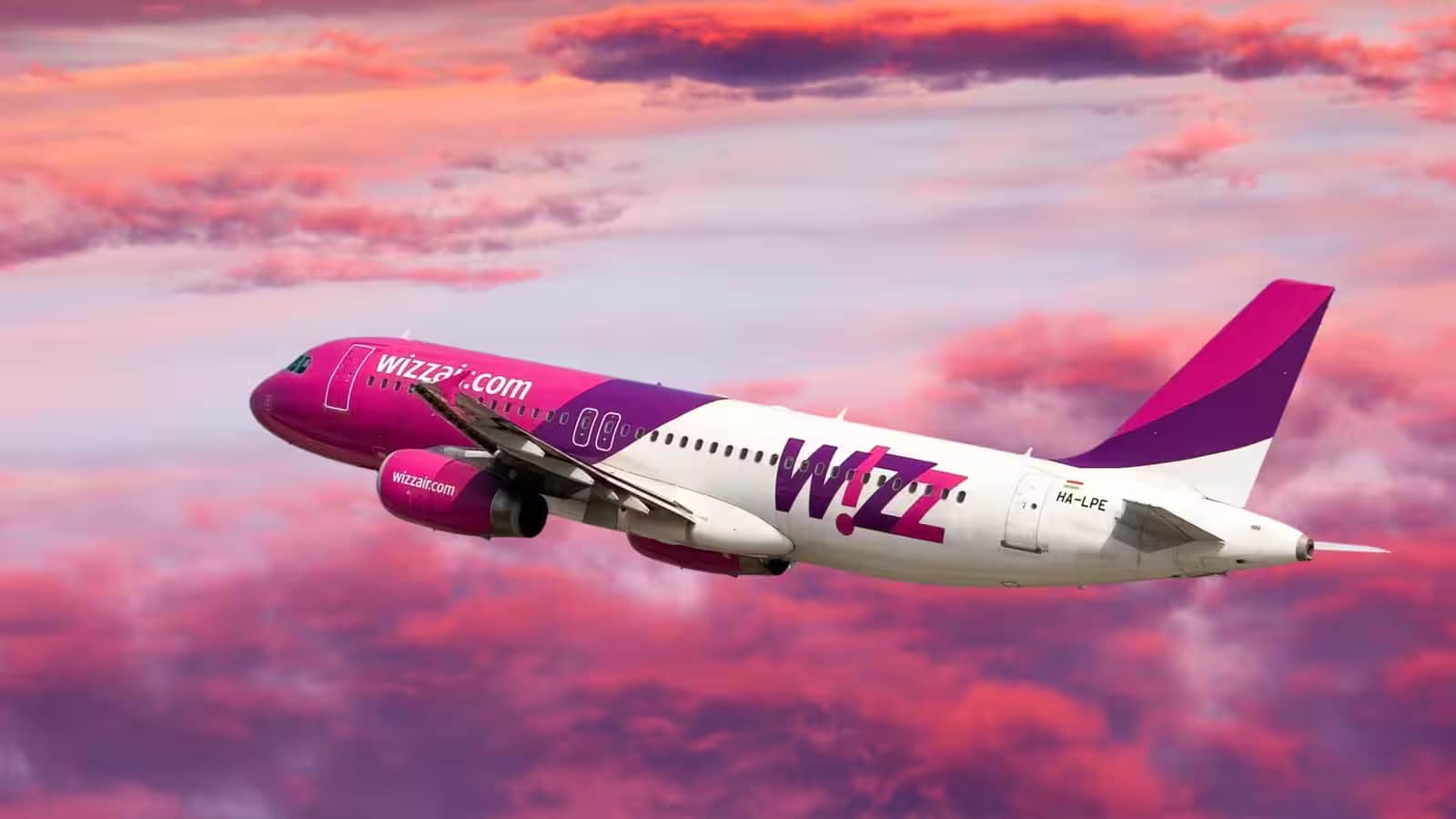
Image: ixbt.com
Wizz Air is betting that cheap fares and decent internet no longer have to be mutually exclusive. The airline said on 8 June 2026 that it will become the “first European ultra-low-cost carrier” to move to Starlink satellite connectivity, with rollout planned for 2027 across its entire fleet.
That is a neat bit of positioning, but also a sensible defensive move. Low-cost carriers have spent years squeezing every non-essential extra out of the cabin; now they are discovering that reliable Wi-Fi is becoming part of the core product, not a luxury add-on for business-class passengers.
Wizz Air’s Starlink Wi-Fi rollout plan
According to the airline, the system will be installed on all of its aircraft, creating a consistent onboard experience regardless of route or destination. The pitch is simple: passengers should not have to choose between a bargain ticket and staying connected to work, family, or whatever they are doomscrolling between takeoff and landing.
Wizz Air’s commercial chief framed the move as a continuation of the airline’s low-cost philosophy rather than a departure from it. The subtext is obvious: if your rivals can sell internet as a premium perk, you can undercut them by making it standard. That matters in a market where passengers increasingly compare airlines on the strength of the Wi-Fi as much as the legroom, which is not saying much, because there is usually very little of that too.
How Starlink is spreading through aviation
Wizz Air is far from alone. United Airlines, Southwest Airlines, Alaska Airlines, and American Airlines have all confirmed Starlink-related plans in the United States, while in Europe IAG and Lufthansa Group are among the major operators on board. Emirates is rolling out the service across its fleet, starting with Boeing 777 aircraft in November 2025 and aiming to finish by the middle of 2027.

Recommended reading
PyTorch Monarch brings fault-tolerant training to AMD GPUs
The broader trend is hard to miss: satellite broadband is moving from a niche amenity to an expected feature. For airlines, the appeal is not just better internet, but more uniform service on long-haul and short-haul routes alike, which is the sort of operational promise executives love because it sounds both futuristic and easy to sell.
The low-cost cabin is becoming a connectivity test
Wizz Air’s timing is smart. Finnair has already said it is talking to multiple satellite internet providers, including Starlink and Amazon Leo, which suggests airlines increasingly see connectivity as a competitive requirement rather than a branding flourish. The winner here is the passenger, assuming the rollout works as advertised and the connection does not turn into the usual airline promise: great in the press release, patchy at 35,000 feet.
The next question is whether other ultra-low-cost carriers follow Wizz Air’s lead or try to hold the line on price and strip out more basics instead. Once one budget airline makes “good Wi-Fi” normal, the rest will have to explain why their version of cheap still comes with the connectivity of 2014.
AI Editor
Ava covers the rapidly evolving world of artificial intelligence, from foundational models and research labs to the real-world economics of intelligence. With a background in computational linguistics, she cuts through the hype to find out what actually works. She firmly believes that benchmarks are just marketing until reproduced in the wild.
via ixbt.com