

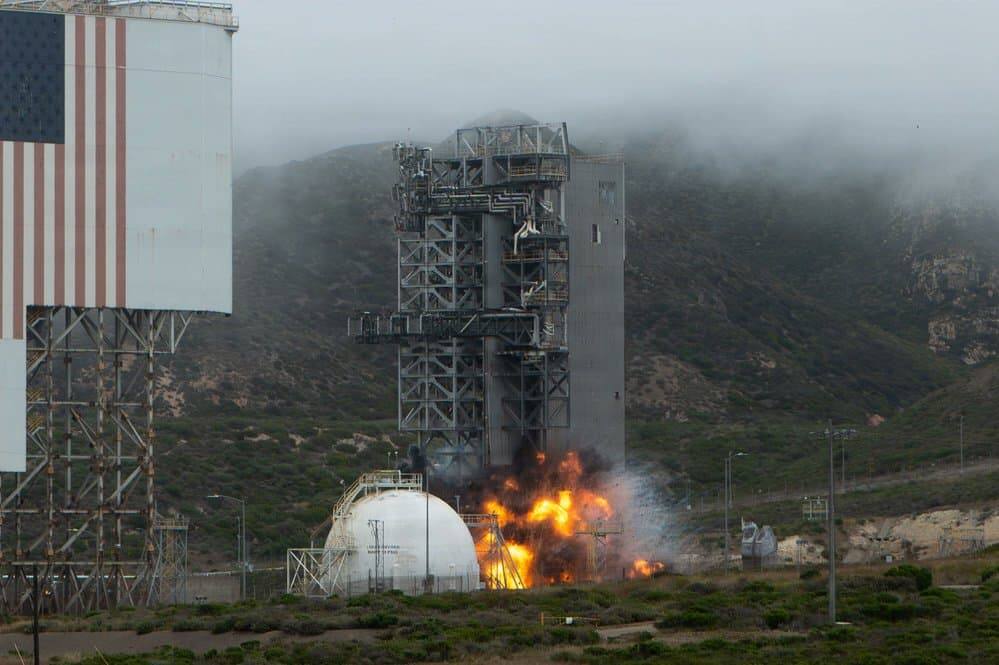
SpaceX is about to get a cleaner runway at Vandenberg: the historic SLC-6 launch complex in California has been cleared by a controlled demolition, opening the door for a major upgrade tied to a 2025 agreement with the U.S. Space Force. The old structures came down under military supervision, and the site is now being prepared for SpaceX next-generation spacecraft launches.
The removal is more than cosmetic. SLC-6 has long been one of those aerospace relics that keeps getting repurposed for the next thing, and this time the next thing belongs to SpaceX. That is a neat example of how launch infrastructure in the U.S. increasingly gets recycled rather than replaced from scratch, because building a brand-new pad in a constrained coastal base is slower, pricier, and politically messier.
What was demolished at SLC-6
Photographs from the site show controlled explosions bringing down large tower structures, including ones carrying ULA branding and other legacy hardware. The point was simple: clear the footprint so the old pad stops dictating the future of the site.
Space Force officials said the obsolete structures were safely removed to make room for a new phase of space operations. That phrasing is bureaucratic, but the message is not: the government wants the pad ready for whatever SpaceX plans to run there next.
SLC-6 has already lived several lives
SLC-6 is no stranger to reinvention. In the second half of the 1990s, it hosted four launches of the Athena light rocket, and since 2006 it has been used for Delta IV missions. Aerospace sites rarely get to retire gracefully; they get rebranded, rebuilt, and pushed back to work.
- Location: Vandenberg Space Force Base, California
- Current change: controlled demolition of obsolete structures
- Backed by: a 2025 Space Force agreement and grant
- Next use: SpaceX modernization for next-generation spacecraft launches
Why SpaceX wants the pad
For SpaceX, the attraction is obvious: an existing launch complex with the hard part already handled by history, location, and government paperwork. The company has built its business by moving fast on infrastructure as well as rockets, and refurbishing SLC-6 fits that playbook better than waiting for a pristine site to appear out of nowhere.
The bigger trend is that U.S. launch capacity is becoming a competitive asset, not just a technical one. With more providers chasing more missions, the winner is often the company that can turn an old pad into usable real estate before everyone else finishes its PowerPoint.
What happens at Vandenberg next
The next phase is modernization, not a ceremonial ribbon-cutting. SpaceX will now have to turn the cleared site into a working launch facility, and the pace of that conversion will tell you a lot about how quickly the company wants SLC-6 folded into its west-coast operations.
If the upgrade moves quickly, SLC-6 could become another proof point that old Cold War-era infrastructure still has value in the age of reusable rockets. If it drags, then this demolition will just be the easy part.