

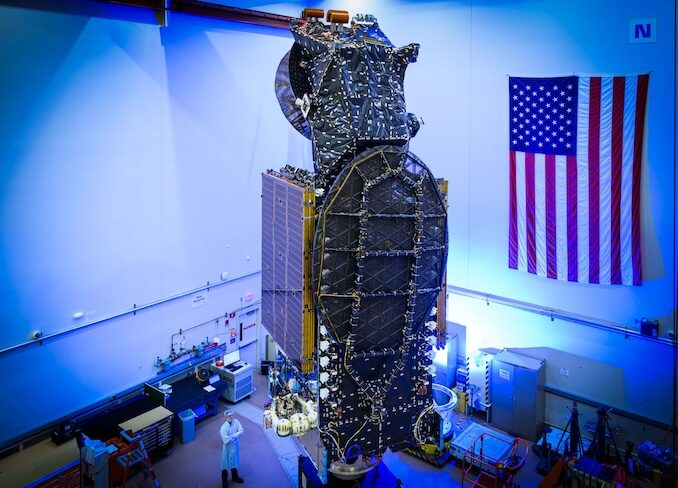
SpaceX has launched SiriusXM’s SXM-11 satellite into orbit aboard a Falcon 9 and brought the rocket’s first stage back to a droneship in the Atlantic with another textbook recovery. The payload weighed about 7.5 tons, making this a hefty SiriusXM satellite launch rather than a lightweight rideshare run, and the booster used for the job was flying for the 17th time.
The mission lifted off from SLC-40 at Cape Canaveral and finished with a landing on ”A Shortfall of Gravitas” about 8.5 minutes later. That touchdown was the platform’s 158th successful recovery, tying it with the now retired ”Just Read the Instructions” vessel, which has since moved over to Starship operations. SpaceX keeps making this look routine, which is exactly the point: reusability is no longer a demo, it’s the business model.
What SiriusXM gets from SXM-11
SXM-11 is meant to refresh SiriusXM’s radio broadcast fleet and replace two aging spacecraft already operating in geostationary orbit. That kind of satellite renewal rarely grabs headlines outside the space industry, but it is the unglamorous work that keeps large-scale audio coverage alive while newer constellations grab the spotlight.
For SiriusXM, staying current matters as much as launching new hardware. Older geostationary satellites are expensive to keep in service, and every replacement launch buys more margin for a network that still depends on high-power, fixed-orbit infrastructure.
B1085 keeps racking up missions
The Falcon 9 booster, B1085, has already flown on NASA Crew-9, several commercial and scientific missions, and multiple Starlink deployments. Seventeen flights from a single first stage is no small thing, even by SpaceX standards; it is also a reminder that the company has turned what used to be an extraordinary engineering milestone into a fairly ordinary Tuesday.
- Rocket: Falcon 9
- Payload: SiriusXM SXM-11
- Payload mass: about 7.5 tons
- Launch site: SLC-40, Cape Canaveral
- Booster: B1085, 17th flight
- Landing: A Shortfall of Gravitas, 158th successful recovery
The next bar for reusable rockets
The interesting question is not whether SpaceX can keep landing Falcon 9 boosters. It can. The real test is how long the company can keep stretching hardware life while commercial satellite operators, launch rivals, and government customers all get used to a world where a first stage can fly again and again without anyone treating it like a miracle.