

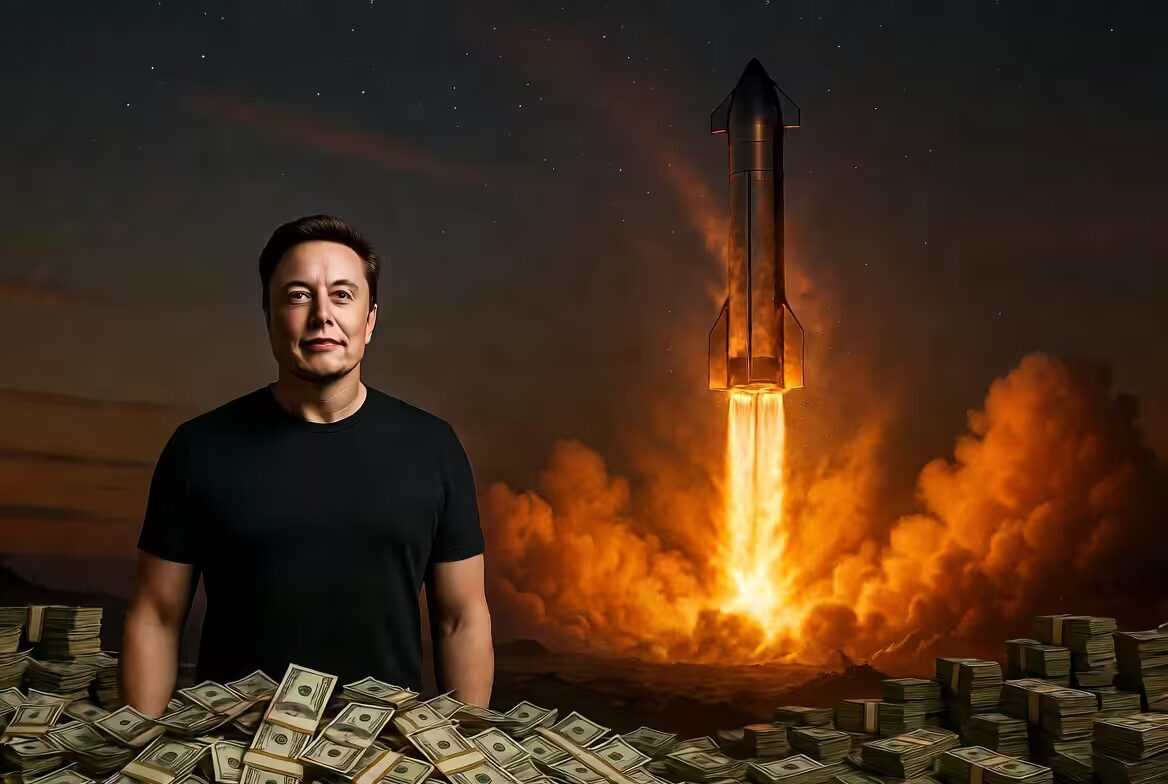
SpaceX just turned its long-awaited public debut into a headline-grabbing valuation sprint: the company opened trading with a 19% jump on its first day on Nasdaq, pushing the share price to $160.95 and lifting its market value to $2.1 trillion. That put Elon Musk over $1 trillion in personal wealth, according to Bloomberg, and briefly made SpaceX larger than Broadcom and Amazon by market cap. The message from investors was simple: scarcity plus Musk still sells.
The SpaceX Nasdaq debut was priced at $75 billion, but the first day’s appetite was far bigger than the label on the tin. More than 510 million shares changed hands for about $84 billion, a sign that buyers were willing to pay up for a company that is still unprofitable and far smaller in revenue than many of the tech giants it now outranks. That tension is the point: the market is valuing the story, the platform, and the optionality, not this quarter’s earnings sheet.
Why investors rushed into SpaceX stock
SpaceX has become the kind of asset investors compare to a once-in-a-century infrastructure buildout rather than a normal aerospace company. Seth Hickle of Mindset Wealth Management said it looks to him like buying railroads during the Industrial Revolution, except with an Elon Musk premium attached. That’s a flattering comparison, but also a risky one: railroads took decades to pay off, and public markets tend to get impatient well before that.
The debut also landed at a moment when Wall Street is hunting for the next big AI listing. A strong performance from SpaceX could make future offerings from OpenAI and Anthropic look a little less daunting for investors, which is useful if you’re trying to convince the market that trillion-dollar private companies can survive public scrutiny. The real winner here may be the late-stage startup playbook, which suddenly looks more exportable.
Musk’s wealth crosses $1 trillion
The rally did more than crown a new market giant. It pushed Musk’s fortune above the $1 trillion mark, making him the first person in history to reach that level of wealth. That figure was expected before trading began, but the speed of the move still matters: the market effectively converted a private-company bet into instant personal upside for the world’s most famous dealmaker.
- First-day gain: 19%
- Share price: $160.95
- Market value: $2.1 trillion
- Offering size: $75 billion
- Shares traded on day one: more than 510 million
- Value traded: about $84 billion
Employees are getting the payoff too
The first-day surge is not just a founder story. More than 4,000 current and former employees are expected to become dollar millionaires, and around 400 people could end up with stock packages worth more than $100 million thanks to the company’s long-term incentive structure. That’s the kind of equity windfall Silicon Valley loves to tell itself is meritocracy, even if it also happens to be excellent retention policy.
The harder question is how long the market keeps cheering. Todd Shenberger of Crosscheck Management said the next couple of weeks will matter more than the first-day party, because everyone wants the stock to stay higher once the initial excitement fades. He’s right to be cautious. The debut was clean, the demand was huge, and the valuation is now enormous – which means even small stumbles from here will be very visible.