

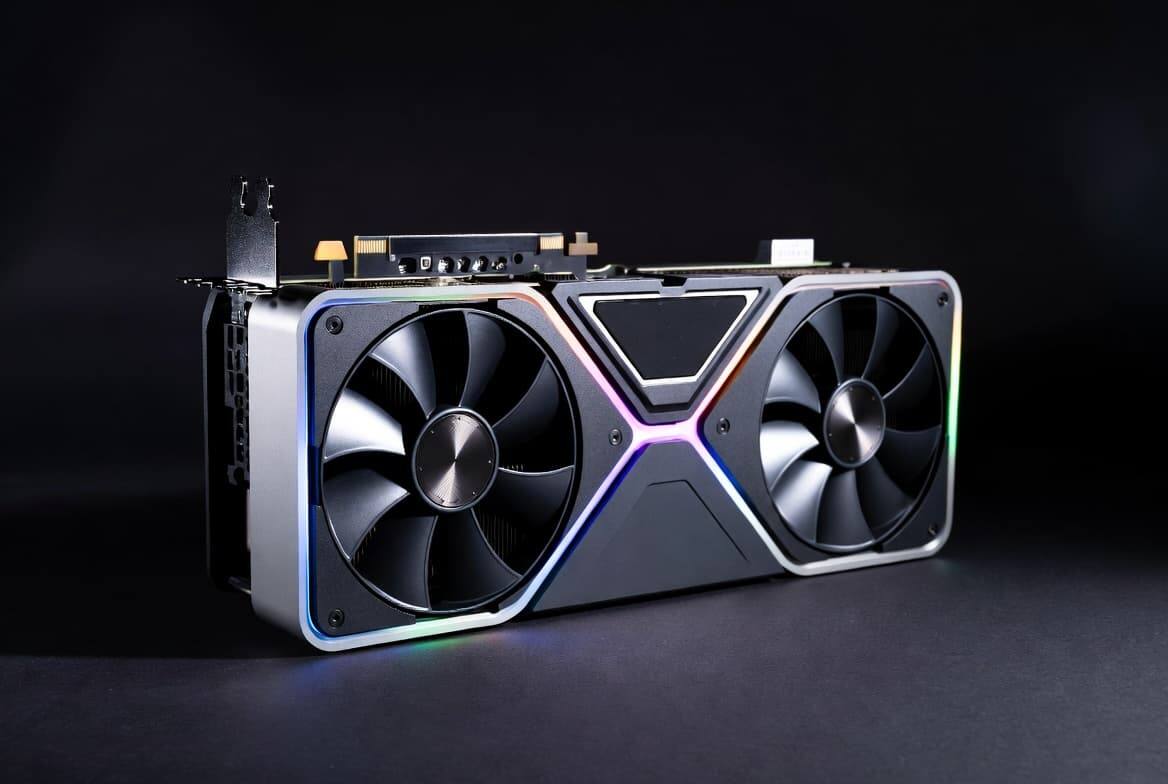
Nvidia RTX 60 may not arrive until 2028-2029, according to a new report from Moore’s Law Is Dead. That would leave the RTX 50 series as Nvidia’s main desktop graphics card lineup for several more years.
The reason is not hard to guess: Nvidia is said to be pouring its energy into data centers and AI hardware built on new 3-nm chips, where the money is. Consumer graphics cards still matter, but they are increasingly competing with a business that prints far larger checks and sets the pace for silicon investment.
RTX 50 could stay current for years
If that timeline holds, the RTX 50 family will remain the main consumer option for at least two more years, maybe longer. That is a surprisingly long runway in a market that usually expects faster refreshes, but it fits a broader pattern: Nvidia has been shifting more attention toward AI infrastructure while the gaming side gets the leftovers.
There is also a practical wrinkle. The future RTX 60 architecture is reportedly still undecided, which suggests Nvidia is not simply holding back a finished product for dramatic effect. It sounds more like the company is waiting for the next hardware platform to make sense before locking in the design.
A Super refresh may come first
Before any true next-generation card appears, Nvidia may still give the lineup a mid-cycle lift. The report points to a possible Super series in 2027 with more memory, which would follow a familiar playbook: keep the branding fresh, add a bit more headroom, and avoid the cost of a brand-new architecture too early.
- Current generation: RTX 50
- Possible refresh: RTX 50 Super in 2027
- Next full generation: RTX 60 in 2028-2029
Intel graphics could influence Nvidia’s next move
The report also suggests Nvidia is watching future platform shifts, including Intel processors with integrated Nvidia graphics. That is the kind of detail that hints at longer-term strategy rather than a simple product roadmap. If those systems become important in desktops, the shape of Nvidia’s next consumer cards could be influenced as much by platform politics as by raw performance targets.
For buyers, the message is blunt: there is no urgent reason to wait for RTX 60. The upgrade cycle is stretching out, and Nvidia appears comfortable letting RTX 50 age into the role of default choice while it chases the bigger AI prize elsewhere.