

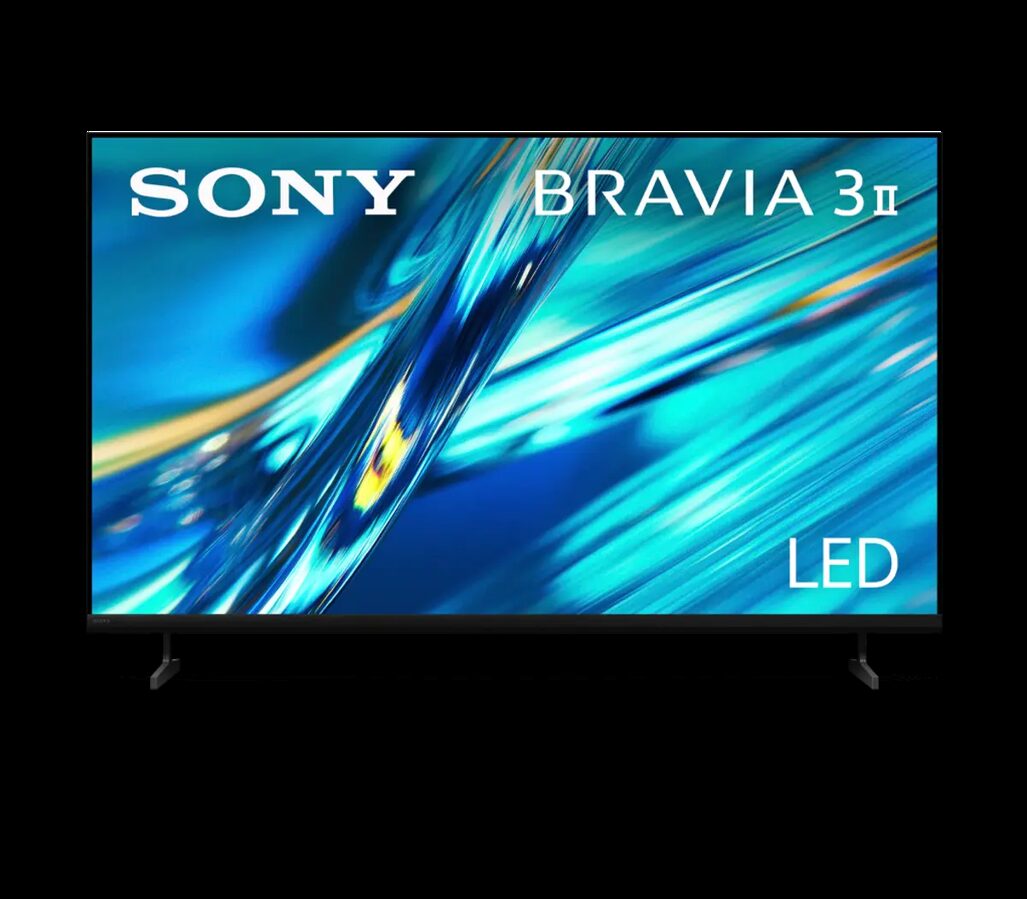
Sony is taking its Bravia 3 II TV range beyond the US, starting with India, and the pitch is straightforward: bigger screens, 120 Hz gaming features, and a familiar stack of Sony image processing, all wrapped in Google TV. The lineup spans 55 to 100 inches, while the Indian launch covers 55 to 85 inches for now, with the 100-inch model set to arrive later in summer 2026.
Bravia 3 II display and processing features
At the core of the new series is Sony’s XR processor, which analyzes picture and sound in real time to improve contrast, color, and detail. Sony is also leaning on XR Triluminos Pro and XR Clear Image, two names the company loves for good reason: they are meant to make motion look cleaner and fast scenes less messy, which is exactly where cheaper TVs tend to wobble.
That puts Bravia 3 II squarely against other midrange smart TVs chasing the same buyer: someone who wants a large panel without moving up to premium OLED territory. The difference here is that Sony is selling processing polish as much as raw panel size.
4K 120 Hz gaming support and audio formats
For gamers, the headline feature is 4K at 120 Hz over HDMI 2.1, plus VRR and a low-latency mode. That combination is now table stakes for serious console play, but it is still not universal on TVs in this class, which makes it a sensible box to tick instead of a glossy marketing flourish.
- 4K at 120 Hz via HDMI 2.1
- VRR support
- Low-latency mode
- Dolby Vision, Dolby Atmos, and DTS:X
Audio support includes Dolby Vision, Dolby Atmos, and DTS:X, while Google TV provides access to streaming apps and voice control. Sony also says the TVs will later gain Google Gemini through a software update, and they already support Apple AirPlay 2, HomeKit, and Amazon Alexa.
India pricing and the 100-inch model
In India, the Bravia 3 II models announced so far range from 55 to 85 inches and cost between $1050 and $3200. The 100-inch version is the outlier, and not just because of the size: it is being held back until later this summer, which suggests Sony is using India as a launchpad before widening the rollout to other markets.
That strategy makes sense. Big-screen TVs are becoming a louder status symbol in premium living rooms, and Sony knows its advantage is less about being cheapest and more about packaging recognizable picture processing with enough gaming features to avoid looking dated. The real question is whether the Bravia 3 II lands in more countries quickly, or whether India gets the early spotlight and everyone else waits.