

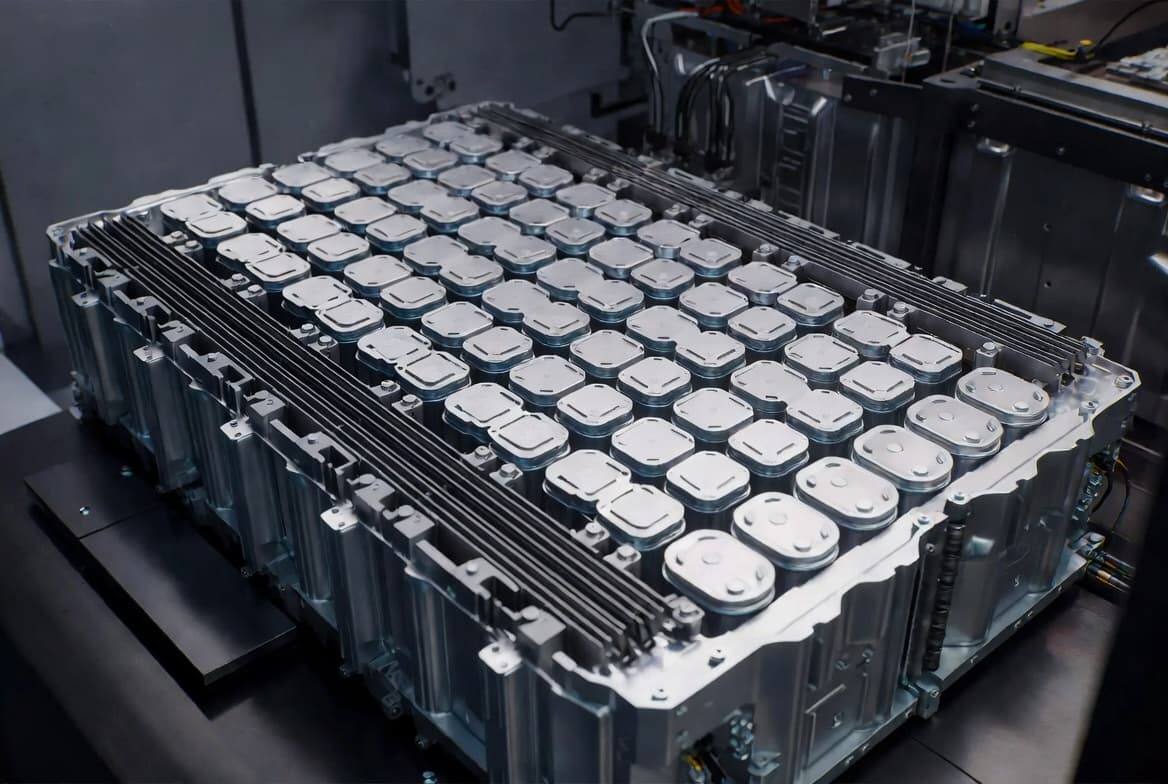
Sodium-ion batteries have crossed a threshold that battery watchers have talked about for years: they are no longer just a lab curiosity or a pilot-line talking point. The chemistry has entered mass production for Changan Automobile, and its price is already brushing up against lithium iron phosphate, the workhorse battery type that has powered much of the affordable EV boom.
That matters because sodium has two things lithium lacks: cheaper raw material economics and a better attitude toward cold weather. It also arrives with a manufacturing trick that looks almost too obvious in hindsight – replacing expensive copper counterparts with dual current collectors made from aluminum foil, trimming material costs without blowing up the cell architecture.
Sodium-ion battery mass production starts with Changan Automobile
The source of the shift is straightforward: sodium-ion cells are now being built at scale for installation in Changan Automobile vehicles. Producers are also moving faster on polyanion cathodes, a choice aimed at improving long-term pack stability rather than chasing headline-grabbing peak numbers. That is a sensible trade for a battery chemistry trying to win on durability and cost, not on bragging rights.
There is already a pricing story here. In the first quarter of 2026, sodium-ion cell manufacturing cost between 0.35 yuan ($0.051) and 0.40 yuan ($0.059) per watt-hour. The current market price of lithium iron phosphate cells stands at 0.34 yuan ($0.050) per watt-hour, which means sodium is no longer living in the expensive future – it is sitting right next to the incumbent, just with a different chemistry and a much colder-weather resume.
Cold weather is sodium-ion’s sharpest selling point
Temperature performance is where the technology starts to look less like a compromise and more like a different answer to the same problem. Sodium batteries retain more than 90% of their nominal capacity at low temperatures down to -20 C, while traditional lithium iron phosphate batteries often lose more than 80% of capacity under the same conditions. Extended test platforms also show strong performance at temperatures down to -40 C.
That makes sodium-ion especially attractive for markets where winter is not a marketing theme but a daily operating condition. Fleet buyers, compact EV makers, and two-wheeler manufacturers are all likely to watch this closely, because a battery that behaves better in the cold can simplify thermal management and reduce the penalty that usually comes with cheap chemistry.
Thermal stability and safety give sodium-ion batteries more room to grow
The safety case is also improving. The internal chemistry shows a thermal runaway onset above 200 C, which adds a stronger buffer against fire risk in the event of a cell short circuit. That does not make batteries magical or risk-free – nothing in this industry gets to claim that – but it does give sodium-ion another practical advantage as manufacturers push for larger deployments.
The bigger question is how quickly scale can turn a near-parity cost profile into a real lead. Lithium iron phosphate has spent years becoming the default low-cost EV battery, and suppliers are not standing still; they will squeeze more out of manufacturing, materials, and pack design. Sodium-ion now has to do the hard part: move from ”promising alternative” to ”obvious choice” before the market gets bored and moves on.