• 2 min read
Sheetz moves 838 stores off VMware after Broadcom shift
Sheetz migrated 838 stores away from VMware, citing uncertainty after Broadcom’s takeover. StorMagic says automation was key to keeping stores running.
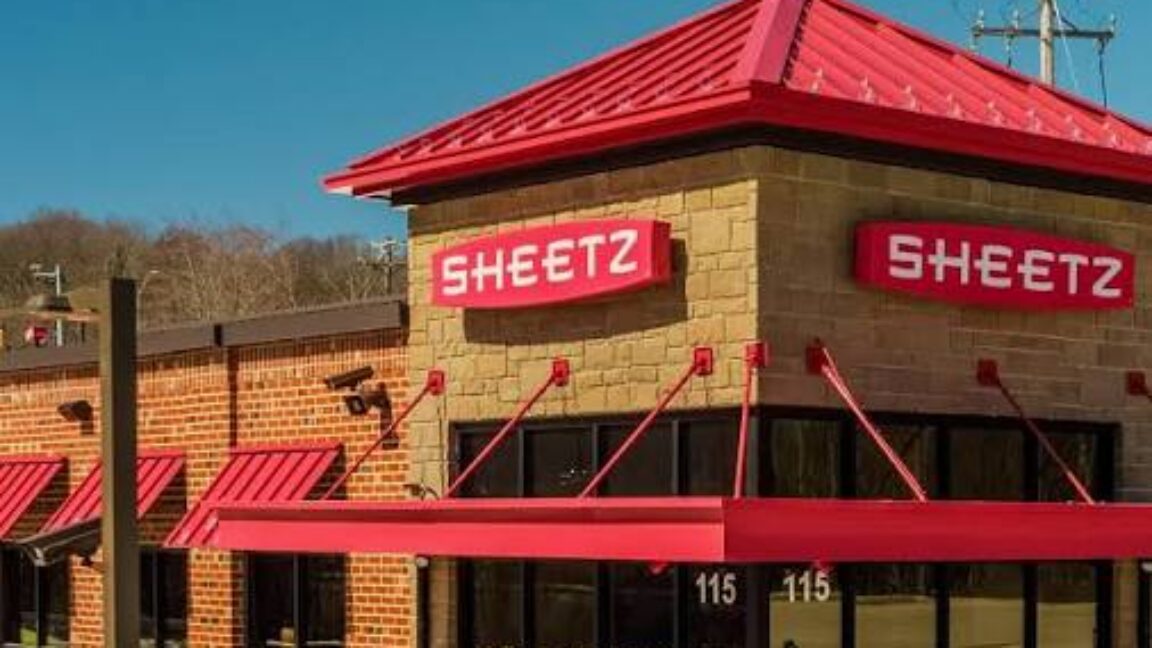
Image: Ars Technica
Sheetz has moved 838 stores off VMware, with executives pointing to Broadcom’s VMware strategy as creating “too much uncertainty.” The migration relied heavily on automation and StorMagic SvHCI’s VMware VM Import Utility to limit disruption across a 24/7/365 retail environment.
According to the source, the retailer said careful planning was essential because store operations could not afford downtime during the transition. SvHCI’s API maturity meant the move required only a small amount of extra work, and the bigger challenge was finding enough time to plan, develop, and implement the migration at that scale.
For many companies, leaving VMware remains difficult because of the cost, time, and staffing involved. Some businesses also struggle to find alternatives that match VMware’s capabilities and compatibility, making even partial migrations feel unrealistic for organizations deeply tied to VMware products. Still, interest in leaving is growing: Gartner estimated in September that 35 percent of VMware workloads would migrate elsewhere by 2028.

Recommended reading
Cadence says AuraStack lifts PCB design productivity 15x
StorMagic targets distributed enterprises
The announcement also highlights StorMagic’s push beyond its traditional small-to-medium-sized business base and into larger enterprises with many smaller remote locations.
“In reality, we have always focused heavily on two distinct markets: SMB/mid-market datacenters and the 'edge' environments of large, highly distributed enterprises, like Sheetz. A distributed enterprise with hundreds or thousands of retail, grocery, or branch locations actually faces similar IT challenges at each site as a local SMB.”
Mann said those sites often share the same constraints: limited physical space, power, on-site technical staff, and budget. He argued that Broadcom’s acquisition of VMware has opened a bigger opportunity because enterprises that once accepted the “VMware tax” at remote sites are now facing massive budget increases to keep them running.
Other enterprises recently disclosed as moving away from VMware include Allstate, T-Mobile, and Tesco. Broadcom, meanwhile, has said its VMware licensing changes are consistent with the broader industry, and the acquisition is widely viewed as financially successful.

Enterprise Editor
Marcus follows the money. He covers enterprise software, cloud architecture, and the tectonic shifts in Big Tech strategy. He translates dense earnings calls and complex M&A activity into actionable insights about where the industry is actually heading. If a tech giant makes a silent pivot, Marcus is usually the first to notice.
via Ars Technica