• 2 min read
Sber’s 8000 TVs add 144Hz, QD-miniLED from 53,000 rubles
Sber has launched its 8000 TV series with 4K QD-miniLED panels, up to 144Hz gaming, FarField voice control, and a built-in subwoofer.
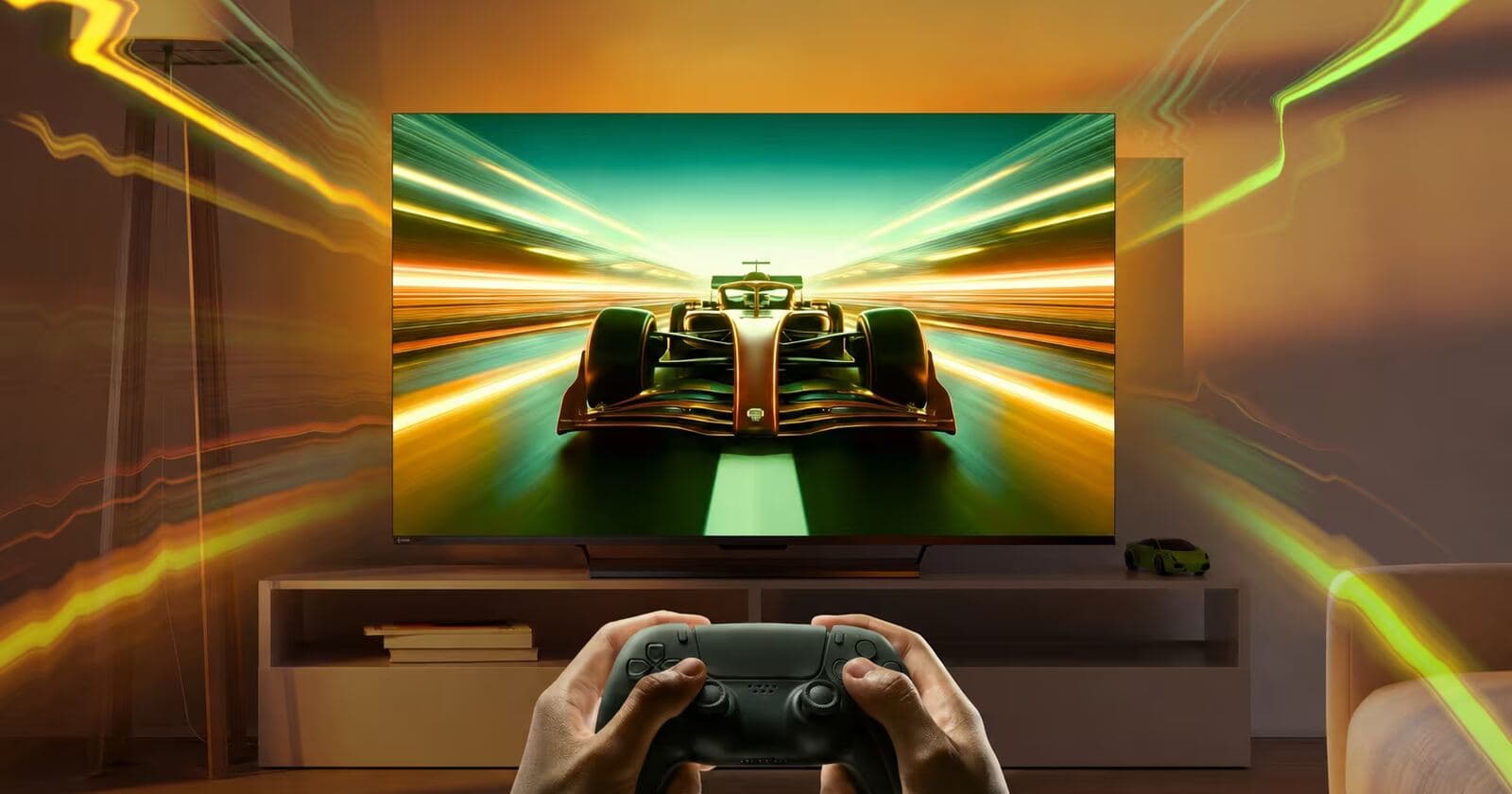
Image: ITzine
Sber has started selling its 8000 series TVs, bringing several features usually seen in pricier sets into a more competitive segment. Prices start at 53,000 rubles.
According to the company, the lineup uses 4K QD-miniLED panels with adaptive backlighting that adjusts to the lighting in the room. For fast-moving scenes, Sber says the TVs support MEMC, while gamers can enable DLG to reach refresh rates of up to 144 Hz.
That puts the new models squarely in a part of the Russian market where TCL, Hisense, and Xiaomi have already built a presence, especially in 55-inch and 65-inch sizes.
Recommended reading
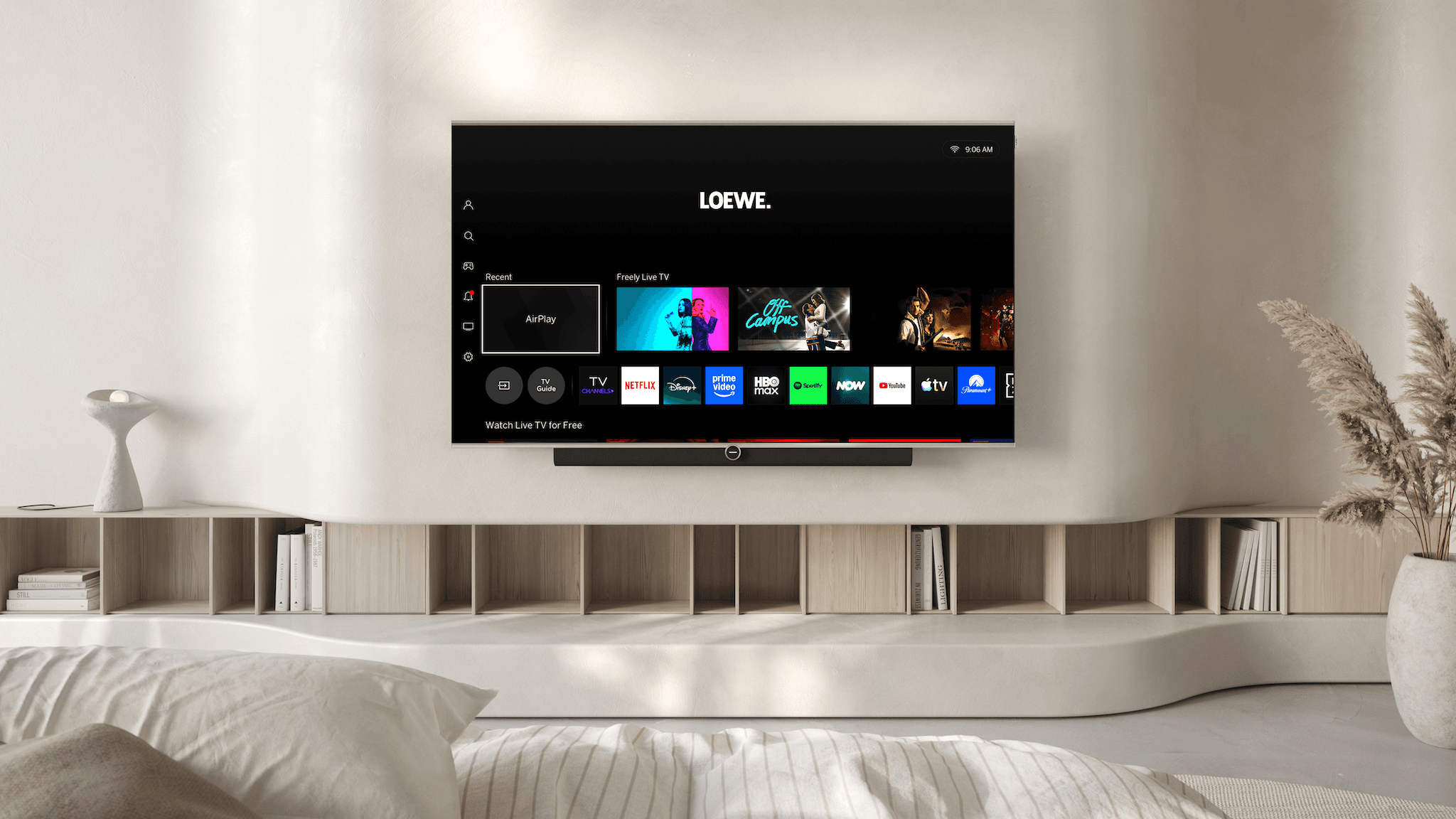
Loewe Antares OLED puts custom audio first
The Sber 8000 series includes:
- Sizes: 50, 55, and 65 inches
- Panel: 4K QD-miniLED
- Gaming mode: DLG up to 144 Hz
- Motion smoothing: MEMC
- Audio: 2.1 system with subwoofer
- Audio power: up to 52 W
- Controls: FarField voice control without a remote
- Platform: Salute TV with GigaChat
One of the clearest selling points is audio. Sber says the 2.1 speaker system delivers up to 52 W and explicitly compares it to a separate soundbar for movies, sports, and games. That is a straightforward pitch for buyers who want a single screen without extra speakers or cables.
The TVs also support FarField, allowing voice commands without using the remote. In that mode, the device works much like a smart speaker: it can respond through GigaChat, play music, and help control smart home devices. Users who do not want that feature can switch voice control off.
The series runs Salute TV, and Sber has also refreshed the home screen with a Continue Watching widget, separate showcases for music and sports content, and what the company says are more accurate recommendations.
Source: Kod

Computing Editor
Tomas lives in the terminal. He covers chips, laptops, and operating systems with a focus on performance and efficiency. He reads kernel changelogs the way other people read fiction, and he's always on the hunt for the perfect mechanical keyboard switch. If it processes data, Tomas has an opinion on it.
via ITzine