• 3 min read
Samsung May Move Yongin Chip Fab to 2029
Samsung may open its first Yongin fab in 2029, accelerating infrastructure plans as demand for HBM and AI chips intensifies.
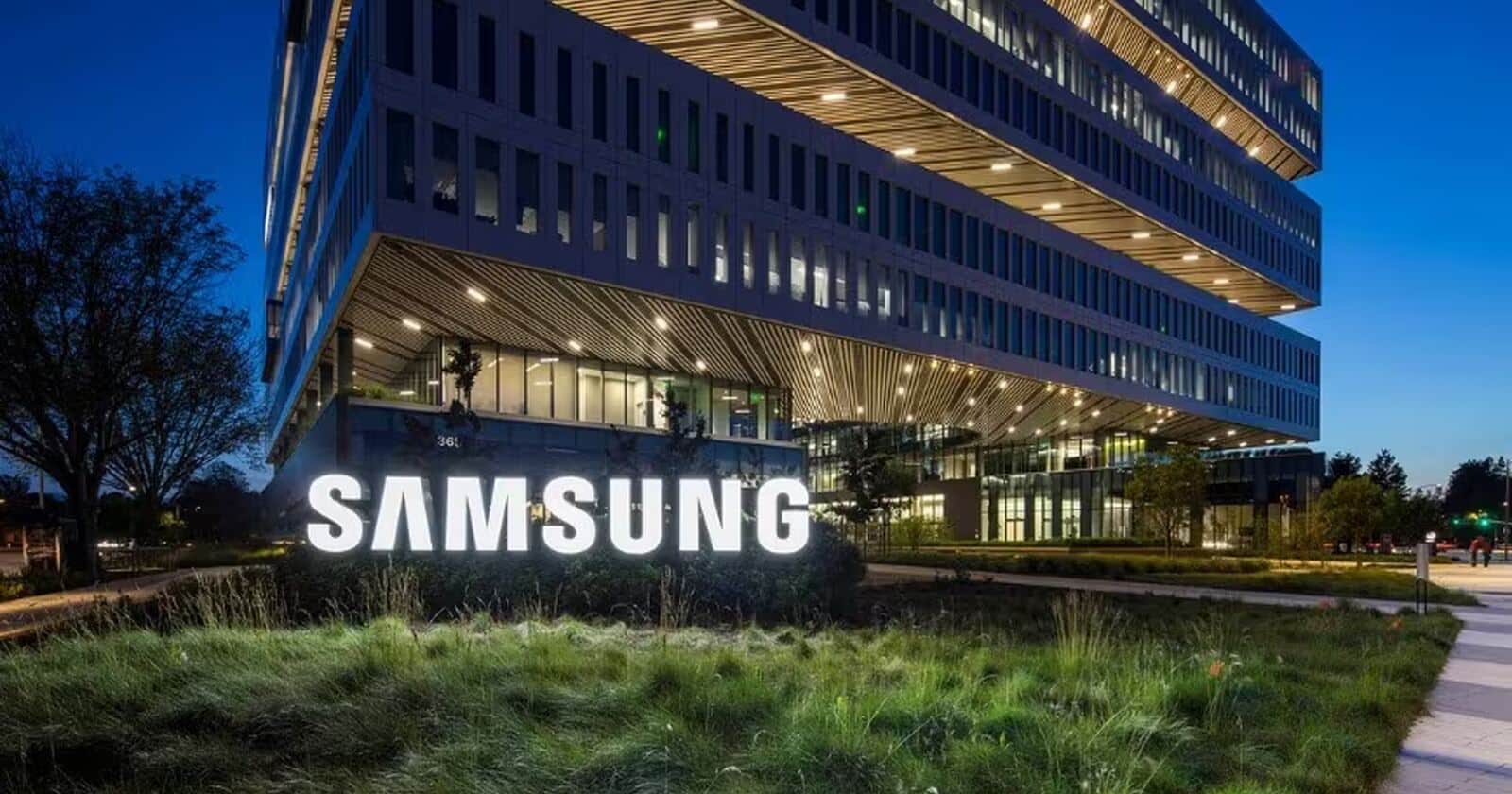
Image: ITzine
Samsung Electronics may bring forward the opening of its first fab in the Yongin semiconductor cluster by one to two years, with a potential launch in 2029 rather than 2030 or 2031. Industry sources cited by Yonhap reported the possible change, though Samsung and South Korea’s Ministry of Trade, Industry and Energy have not officially confirmed it.
The fab will be part of the Yongin National Industrial Complex, a strategic project intended to establish the area as a major Samsung manufacturing hub. Six fabs are planned for the complex overall.
Why Samsung is targeting 2029
The proposed acceleration depends on South Korean authorities moving faster with the infrastructure needed for the first phase, including land preparation, electricity and water supplies. For Samsung, timing is critical as demand for HBM, the high-performance memory used in AI servers, continues to drive investment across the semiconductor industry.
An earlier start would allow Samsung to add capacity while the market is still dealing with supply shortages and price volatility. The company’s semiconductor business has relied heavily on HBM sales in recent years, following the surge in demand triggered by generative AI.
Recommended reading
No Product? These Investors Still Want Your Pre-Seed Pitch
Samsung’s schedule is also being shaped by competition at home. SK Hynix, one of the world’s largest memory manufacturers, plans to invest $51 billion in a new NAND plant in Cheongju. The first phase is expected to begin operations in the first half of 2029, putting the two leading South Korean memory companies on roughly the same timetable.
Yongin’s infrastructure and investment plans
South Korea is promoting Yongin as part of a broader program of large-scale semiconductor projects. The construction itself is only one part of the challenge. Substations, transmission lines, water systems, access roads and local-government approvals must all be ready before a fab can open.
South Korean chip clusters have already faced delays linked to the construction of new power lines. For facilities of this scale, infrastructure is a direct condition for production rather than a minor technical detail.
Samsung has previously described an investment plan of 2030 trillion won, or approximately $1.35 trillion, for semiconductor clusters in Pyeongtaek and Yongin. A further 400 trillion won was allocated for two new plants in Gwangju, in the southwest of the country.
The plans form part of a wider package presented at a meeting led by South Korean President Lee Jae-myung on June 29. For Seoul, the goal is to keep semiconductor production in the country. For Samsung, the investment could secure capacity for future orders as TSMC and other contract manufacturers expand their own facilities.
What the first Yongin fab will produce
The exact role of the first Yongin fab remains undecided publicly. Samsung has not said whether it will manufacture logic chips, memory, or both. It is also unclear how moving up the first facility’s schedule would affect the other five planned fabs.
Those decisions will determine not only how quickly the complex is built, but also how much of the expected AI-chip demand Samsung can capture by the end of the decade.

Enterprise Editor
Marcus follows the money. He covers enterprise software, cloud architecture, and the tectonic shifts in Big Tech strategy. He translates dense earnings calls and complex M&A activity into actionable insights about where the industry is actually heading. If a tech giant makes a silent pivot, Marcus is usually the first to notice.
via ITzine