• 2 min read
Samsung preps mass production of 3nm AI chip for Tesla
Samsung Foundry has wrapped up the tape-out phase of its first 3-nanometer AI5 chip for Tesla, marking a major milestone in their collaboration praised by Tesla CEO Elon Musk. The South Korean semiconductor giant is now
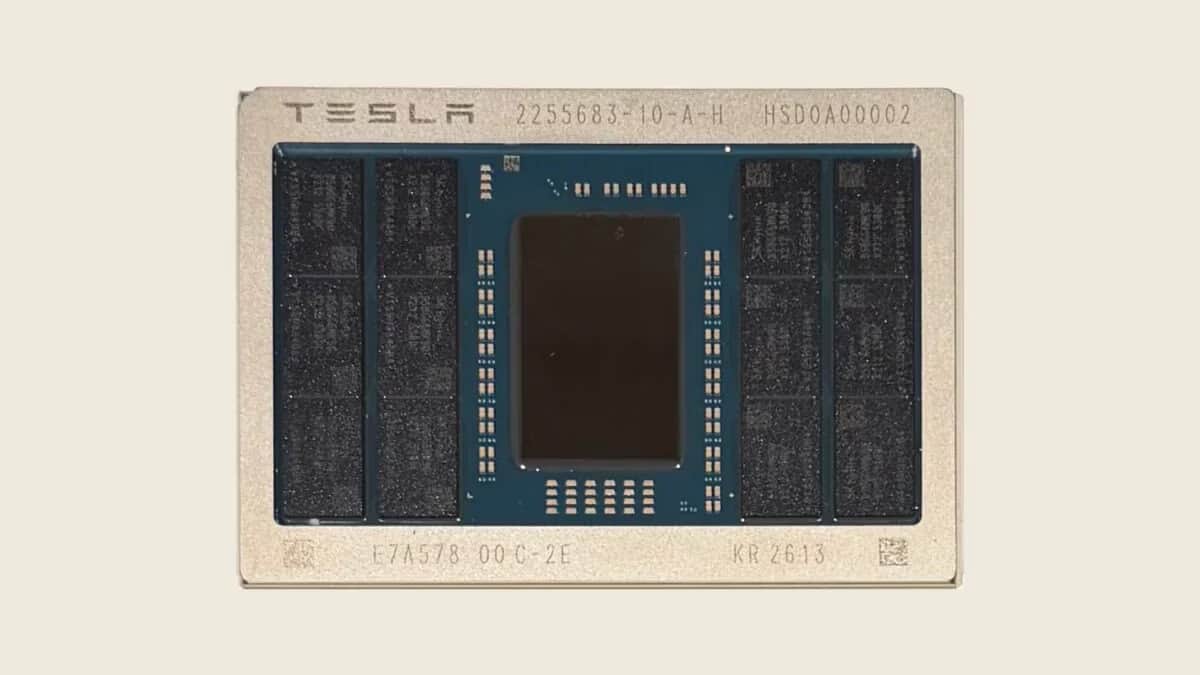
Image: sammobile.com
Samsung Foundry has wrapped up the tape-out phase of its first 3-nanometer AI5 chip for Tesla, marking a major milestone in their collaboration praised by Tesla CEO Elon Musk. The South Korean semiconductor giant is now gearing up to launch large-scale production of the 3nm AI chip designed specifically for Tesla.
A recent report reveals Samsung has completed preparations at its Texas factory in Taylor. On April 24, 2026, the company will hold a ceremony to mark the delivery of critical manufacturing equipment essential for producing the 3nm AI chip. Attendees include Samsung Foundry president Han Jin-man, alongside key suppliers of components, tools, and materials.
Following equipment installation and trial runs, full production of the 3nm AI5 chip is set to kick off in the second half of 2026. This AI chip will be the first product from the new Texas facility, with Samsung planning to follow up with the more advanced AI6 chip, manufactured on an even smaller 2-nanometer process node.
Samsung began building this fab in November 2022, initially targeting a mid-2024 launch. However, delays in securing orders pushed the timeline back. That changed after Samsung landed a $16.5 billion contract from Tesla, allowing the company to accelerate progress toward mass production.
Alongside the 3nm fab news, Samsung announced it has boosted yield rates for its 2nm chips to nearly 60%. While this is a significant gain, it still trails industry leader TSMC, which boasts yields between 70% and 80%. In semiconductor manufacturing, consistent process stability and high yields are essential to profitability and attracting clients. Samsung’s challenge will be raising yields closer to 80% to remain competitive and win new customers.
Recommended reading
OpenAI admits GPT-5.6 deleted user files
Samsung’s push into next-generation chip manufacturing comes amid intense rivalry with Taiwan’s TSMC and other chip makers like Intel and GlobalFoundries. Tesla’s choice to partner with Samsung on AI chips highlights the growing importance of specialized silicon in electric vehicles and autonomous driving technologies. With production planned soon, industry observers are watching to see if Samsung can establish a foothold in the ultra-advanced chip space dominated by a handful of elite foundries.

AI Editor
Ava covers the rapidly evolving world of artificial intelligence, from foundational models and research labs to the real-world economics of intelligence. With a background in computational linguistics, she cuts through the hype to find out what actually works. She firmly believes that benchmarks are just marketing until reproduced in the wild.
via sammobile.com