• 2 min read
Samsung sees chip shortage worsening through 2028
Samsung expects the chip shortage to worsen in 2027 and persist through 2028 after semiconductor profit rises more than 250-fold.
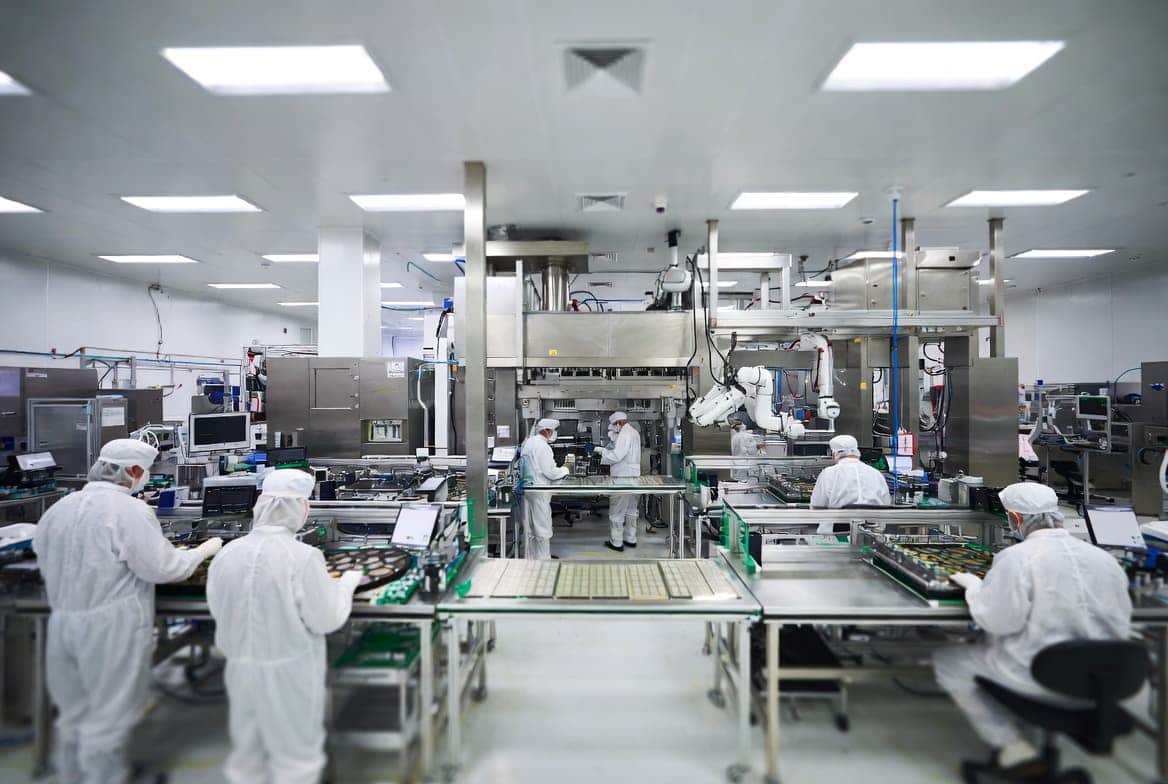
Image: iXBT
Samsung expects the global chip shortage to worsen in 2027 and continue through 2028, even as its semiconductor profit surges more than 250-fold from a year earlier.
The warning came on July 30, 2026, from Jaejeong Kim, executive vice president of Samsung’s memory division. Samsung is the world’s largest memory-chip manufacturer. Its shares initially jumped as much as 8% before falling 1.1% on Thursday.
“The supply shortage is expected to worsen in 2027 compared with the current year and continue in 2028.”
Samsung’s long-term chip supply agreements
Samsung said it has signed long-term supply agreements with five of the world’s largest data-center companies and is close to reaching deals with another five major companies. It did not disclose the customers' names.
The contracts will run for at least five years. In the long term, they are expected to cover 60% to 70% of Samsung’s total production capacity. The agreements include advance payments and minimum prices, which Samsung said are intended to hedge the risks associated with capital investment.
The company did not disclose the value of the contracts or identify the data-center operators. It also did not provide a more precise timeline for completing the additional five agreements.

Recommended reading
Cold calls fall as labeled calls get longer
Chip profit rises as mobile division loses money
Samsung’s semiconductor division reported 89.2 trillion won ($61.7 billion) in operating profit during the second quarter. That was more than 250 times the result from the same period last year.
The sharp increase in chip prices, however, hurt Samsung’s mobile business. The division reported a loss of 700 billion won, showing how higher semiconductor prices are benefiting the chip operation while increasing costs elsewhere inside the company.
Enterprise Editor
Marcus follows the money. He covers enterprise software, cloud architecture, and the tectonic shifts in Big Tech strategy. He translates dense earnings calls and complex M&A activity into actionable insights about where the industry is actually heading. If a tech giant makes a silent pivot, Marcus is usually the first to notice.
via iXBT