• 3 min read
Roku’s AI channel turns generated clips into TV filler
Roku’s Fairground AI Creator TV streams machine-generated video 24/7, but its rough output and undisclosed model and rights details raise questions.
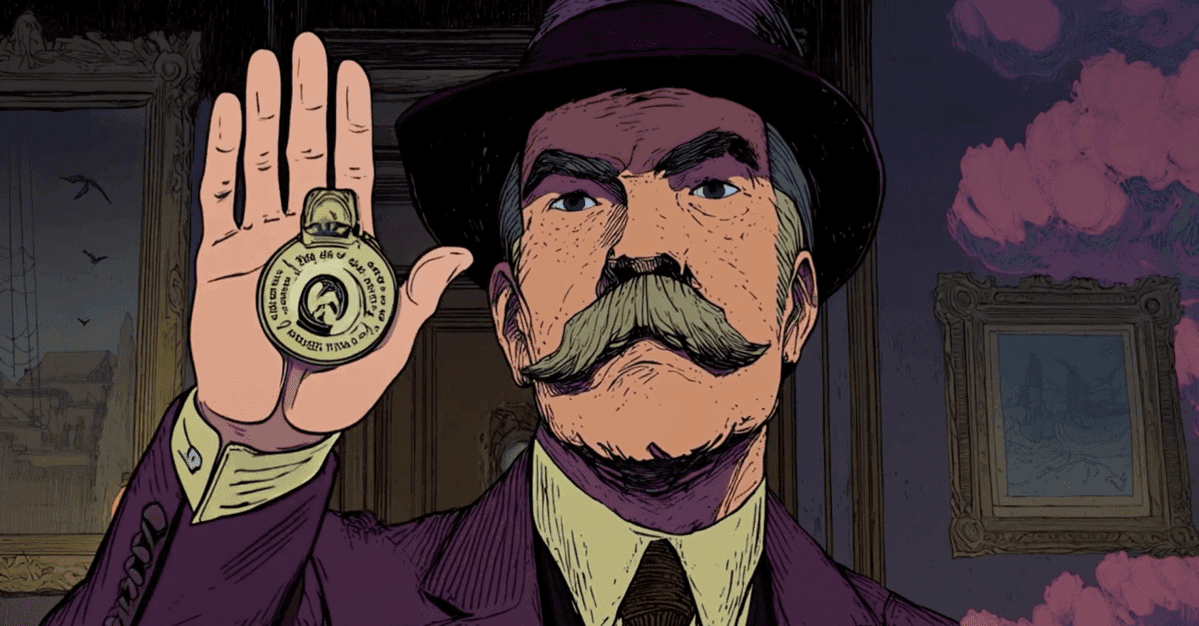
Image: The Verge
Roku has added a 24/7 channel devoted to AI-generated video, but after watching it for about an hour, the result looks less like the future of television than an endless feed of disposable clips.
The channel, Fairground AI Creator TV, is part of four new additions to Roku’s free ad-supported streaming television (FAST) lineup. The other three focus on conventional programming: old episodes of Mad TV, Whose Line Is It Anyway?, and a selection of Black sitcoms. Fairground’s stream is the outlier, offering a continuous rotation of work from Colin Petrie-Norris' AI startup.
How Fairground AI Creator TV works
Like other FAST channels, Fairground is designed for passive viewing. Users can scrub a few seconds backward or forward, but they cannot select a particular video or tell the channel what genre to play. That format can make discovery appealing when the programming is strong. Here, however, the material largely consists of the short-form, low-polish output associated with text-to-video systems.

Recommended reading
OpenAI pauses Astra over critical cyber risks
There is no consistent genre or theme. Some videos appear to draw on footage resembling professionally produced anime, while others use crude “lifelike” CGI. A few have recognizable story structures: one horror short follows people destroying a demon by mocking it, while a fantasy sequence involving Greek heroes appears to take inspiration from The Odyssey.
The videos show signs of post-production, including edited runtimes and mixed audio. But their rough visuals make the production method obvious: machine-generated clips have been assembled rather than replaced by carefully crafted shots. The contrast becomes especially stark when the channel cuts to an advertisement for one of Roku’s traditionally produced films or shows.
Fairground describes its programming as made for “the living room, not the feed.” That positioning is different from the usual promise that generative AI will make studio-quality films and television while eliminating conventional production workflows. Fairground appears to be targeting viewers who want something undemanding playing in the background, not trying to match major studio entertainment.
Roku’s AI experiment has an obvious gap
Fairground launched in 2025 and is reportedly developing AI-generated adaptations of Robin Hood and Dracula. Its website says the company pays participating creators for their generations and gives them an undisclosed share of platform revenue.
The company does not disclose which AI models produce the videos or whether it has secured rights to the material used in their training data. Those omissions matter: the channel’s business and legal foundations are left unexplained even as Roku gives it access to a large potential audience.
Roku’s decision to carry the channel suggests that “good enough to fill a free ad-supported slot” is already a meaningful bar for AI entertainment. But the programming described here does not support the larger claim that generative video is ready to replace conventional television. It supports a narrower, less ambitious conclusion: Roku has found a way to turn machine-generated filler into a channel, and Fairground has found distribution for it.
AI Editor
Ava covers the rapidly evolving world of artificial intelligence, from foundational models and research labs to the real-world economics of intelligence. With a background in computational linguistics, she cuts through the hype to find out what actually works. She firmly believes that benchmarks are just marketing until reproduced in the wild.
via The Verge