• 3 min read
Redmi Turbo 5 Max tops AnTuTu’s $295 value rankings
AnTuTu’s latest value-for-money ranking for China’s 1,000-1,999 yuan bracket has a clear winner: Redmi Turbo 5 Max. Backed by the Dimensity 9500s, a 6.83-inch display, a 9,000 mAh battery, and 100 W charging, it pushed a
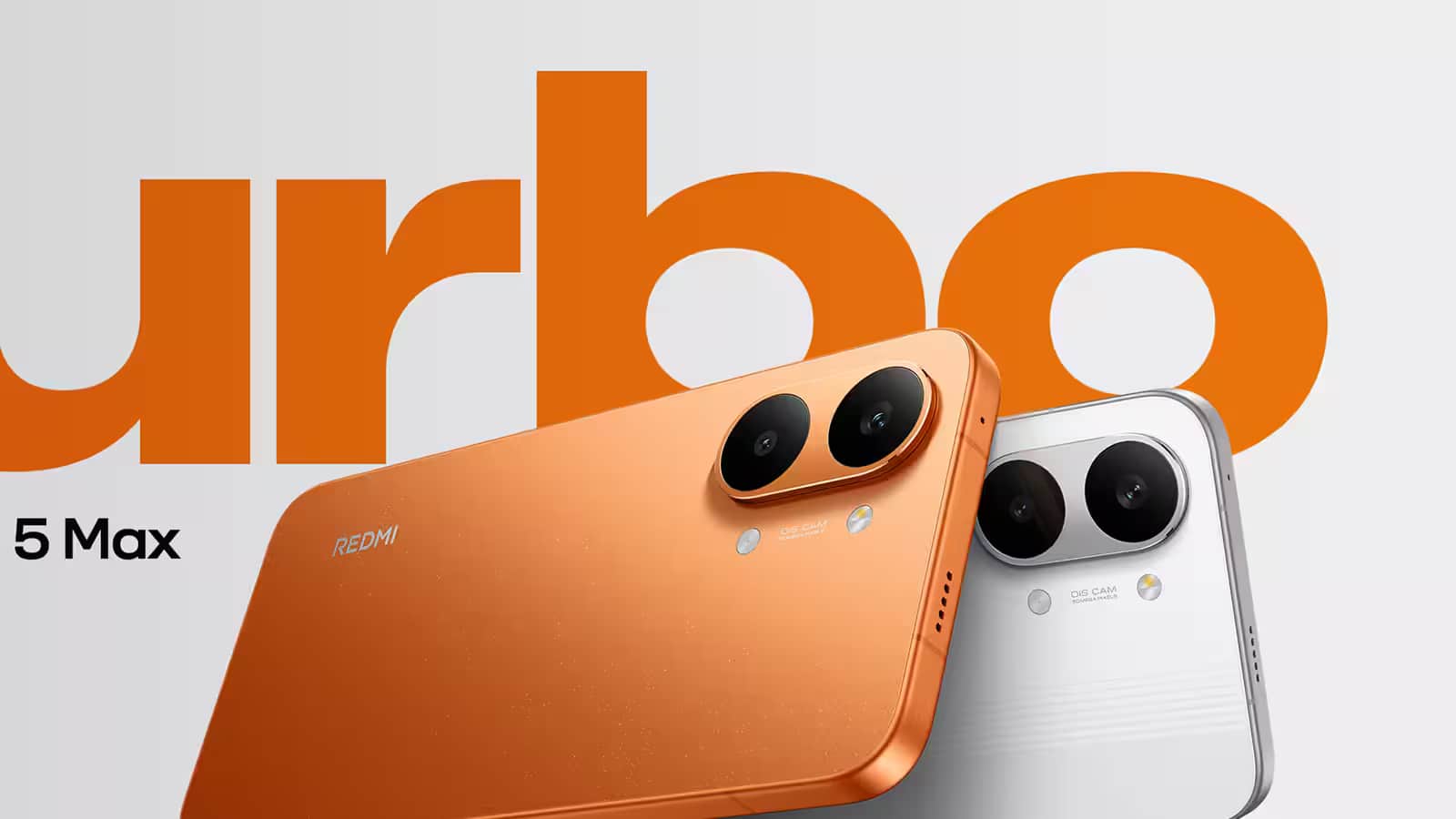
AnTuTu’s latest value-for-money ranking for China’s 1,000-1,999 yuan bracket has a clear winner: Redmi Turbo 5 Max. Backed by the Dimensity 9500s, a 6.83-inch display, a 9,000 mAh battery, and 100 W charging, it pushed ahead of rivals that were already strong on paper. The message is simple enough: in this price range, battery size and fresh silicon are doing most of the heavy lifting.
One thing AnTuTu’s May list makes obvious is how aggressively this segment has moved. A 20%+ jump in average efficiency is not the kind of upgrade buyers usually get for free; it usually arrives when a new wave of chipsets resets expectations faster than brands can reprice their phones. That is exactly what appears to be happening here.
Redmi Turbo 5 Max leads the 1000-1999 yuan bracket
The top three are all familiar names, but the specifications are doing very different kinds of work. Redmi Turbo 5 Max takes first place, OnePlus Ace 5 Ultra lands second, and Redmi K90 comes in third. The common thread is obvious: each model pairs a high-end chipset with fast charging, while Redmi goes the extra mile on battery capacity.
Recommended reading
Pixel 11a may get the Tensor G6 after all
- Redmi Turbo 5 Max: Dimensity 9500s, 6.83-inch screen, 9,000 mAh battery, 100 W charging
- OnePlus Ace 5 Ultra: Dimensity 9400+, 6.83-inch 144 Hz display, 6,700 mAh battery, 100 W charging
- Redmi K90: Snapdragon 8 Elite, 6.59-inch 120 Hz display, 7,100 mAh battery, 100 W charging, IP68, 50 MP + 50 MP + 8 MP rear cameras
Big batteries are winning the midrange spec war
Redmi’s lead is less surprising than it looks. In a segment where buyers compare a lot of nearly identical phones, a bigger battery and faster charging are the easiest features to understand and the hardest for competitors to dismiss. The company also appears to be leaning hard into ruggedness: the source highlights IP69K for Turbo 5 Max, while K90 carries IP68 protection.
That matters because the midrange has become a chip race disguised as a value race. Brands are using new SoCs to justify louder claims, but the phones that rise to the top tend to be the ones that turn raw power into something practical: longer runtime, less waiting at the charger, and fewer compromises in daily use.
What AnTuTu is really rewarding here
AnTuTu’s ranking is not a beauty contest and not really a camera contest either. It rewards the kind of device that looks annoyingly sensible on a spec sheet, which is why the current winners are all packing large displays, fast charging, and flagship-class chips at a price ceiling of $295. The obvious question now is whether other brands can answer with something more balanced, or whether the next round of value leaders will just be even more battery-heavy and even more chip-driven.

Gadgets Editor
Eli is obsessed with the tangible future. He reviews phones, wearables, and everything with a battery. Known for his rigorous testing protocols and unabashed teardowns, Eli has broken more review units than he cares to admit, all in the name of discovering the truth about durability and repairability.