

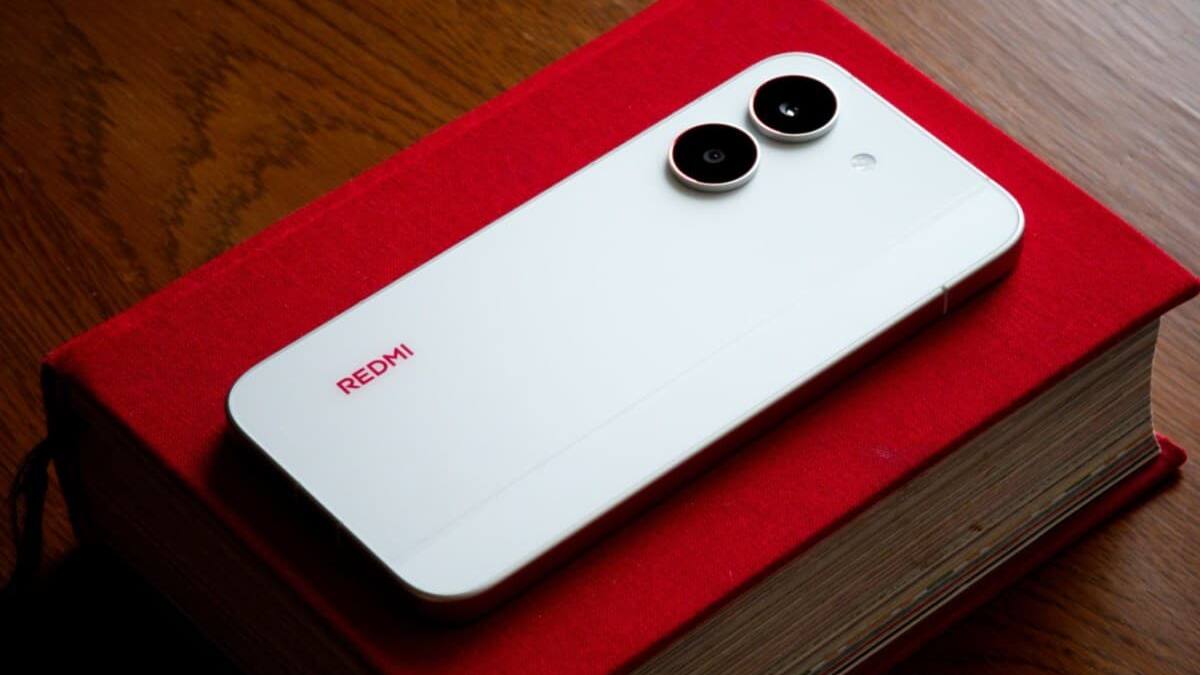
Redmi Turbo 5 has gone on sale in India, making the country the first place outside China where buyers can officially get the phone. Xiaomi is pitching a lot of hardware for the money here: a 7540 mAh battery, 100 W charging, HyperOS 3, IP69K protection, and MediaTek’s Dimensity 8500 Ultra, with prices starting at $400.
The phone is available through Redmi’s official online store, Amazon India, and the company’s retail outlets across the country. That broad launch matters because it gives Xiaomi a cleaner shot at volume than a limited web-only release, especially in a market where online discounts and offline trust still pull in different directions.
Redmi Turbo 5 price and configurations
There are two memory variants, and neither is trying to be subtle about value. The 8/256 GB model costs $400, while the 12/256 GB version is priced at $435. Buyers can choose from three colors.
- 8/256 GB – $400
- 12/256 GB – $435
- Colors – three options
Redmi Turbo 5 specs and features
The headline numbers are doing most of the talking. Redmi Turbo 5 uses a 6.59-inch AMOLED display with 1.5K resolution and a 120 Hz refresh rate, while the camera setup pairs 50 MP and 8 MP sensors on the back with a 20 MP front camera. The Dimensity 8500 Ultra places it squarely in the upper-midrange crowd, where the real fight is usually against similarly priced phones from OnePlus, Realme, and iQOO rather than against full flagships.
The battery is the obvious flex: 7540 mAh is a lot of silicon-carbon cell for a phone in this bracket, and Xiaomi says it supports 100 W wired charging, plus 27 W reverse wired charging for topping up other devices. It also gets an under-display fingerprint reader, infrared port, stereo speakers, Dolby Vision support, and IP69K dust and water resistance. That last one is the kind of spec that sounds like overkill until someone drops their phone into the wrong puddle.
HyperOS 3 and Android 16 on board
Out of the box, the phone runs HyperOS 3 based on Android 16. Xiaomi has been leaning hard on software branding across its recent devices, and the pitch is clear enough: fast hardware is nice, but the company wants the system layer to feel like part of the product, not just a skin slapped on top.
The real question is whether that battery-and-flagship-features formula can keep Xiaomi ahead of the midrange pack. Rivals keep trimming the gap on charging speed and display quality, so the brands that stand out are the ones that can combine endurance, durability, and a sane price without making buyers choose two out of three.