• 2 min read
ORiS raises €5 million for laser satellite charging
Turin startup ORiS raised €5 million for laser satellite charging, with its first orbital demonstrations planned for 2027.
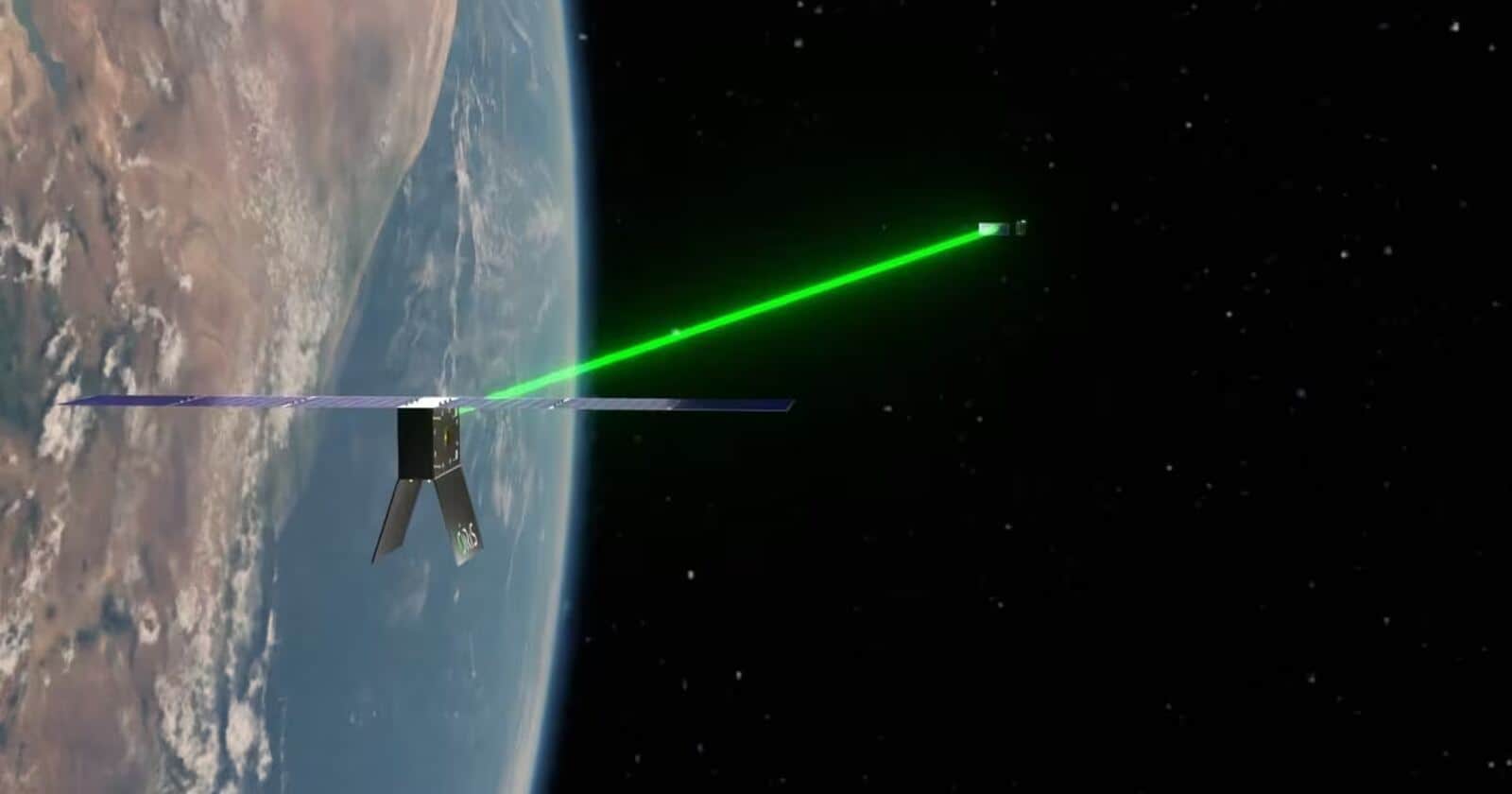
Image: ITzine
Turin-based Italian startup ORiS has raised €5 million to develop a laser-based energy-transfer system for satellites. The funding will support the company’s first space tests, planned for 2027.
Of the total, €4.5 million came through a preliminary investment round led by Earlybird and Pitchdrive. The remaining €500,000 was provided as a grant through a regional startup-support program.
The system is designed to let one spacecraft beam energy to another using a laser. The receiving satellite would collect that energy through its existing solar panels, avoiding structural modifications.

Recommended reading
New HEAT facility tests hypersonic engines at 760°C
ORiS’s first orbital tests
ORiS has already demonstrated the technology on Earth by transferring energy to drones positioned approximately 100 meters from the transmitter.
The company will conduct its first orbital demonstration with Dcubed in the first quarter of 2027. A second mission is planned for later in 2027 with an unnamed partner, followed by a demonstration involving one of ORiS’s first commercial customers.
Laser power transfer could give satellites additional energy capacity when they run out of available solar-panel area or battery capacity, without adding significant mass.
From drone charging to lunar missions
Wireless power transfer has already been tested for orbital platforms by teams in the United States, Europe, and Japan, using both microwave and optical systems. Commercial adoption, however, remains limited.
ORiS is pursuing a more compact approach than large solar-concentration systems. Alongside its space technology, the startup is developing LOONA, a ground-based system for charging drones, with a market launch planned for late 2026.
The company is also considering lunar applications. Laser power could help missions survive the 14-day lunar night, when sunlight is unavailable. The 2027 demonstrations will test whether ORiS’s system can operate beyond laboratory and drone-test conditions.
Marta Barinova is a news editor specializing in software, streaming services, and policy changes affecting global technology platforms. She has written more than 140 articles.

Frontier Editor
Dan is our resident futurist, covering electric mobility, space exploration, and the smart home. He's interested in atoms just as much as bits. Whether it's a new battery chemistry, a reusable rocket, or a protocol that finally makes IoT devices talk to each other, Dan breaks down the engineering that pushes humanity forward.
via ITzine