

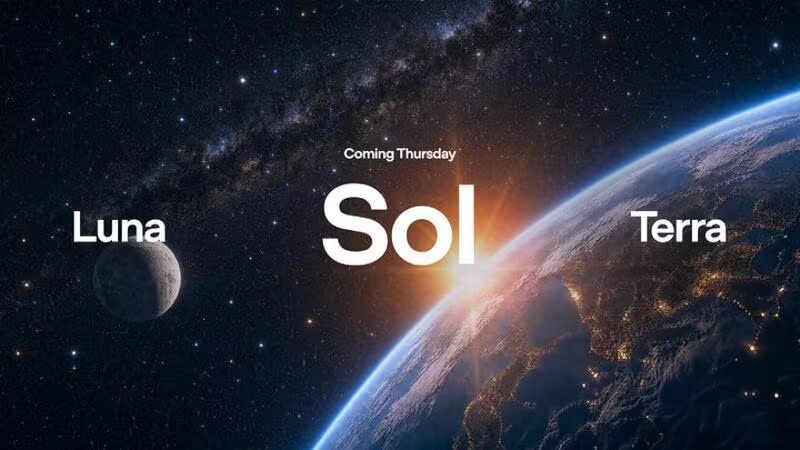
OpenAI will open access to GPT-5.6 on July 9, following a brief delay for regulatory review by US authorities concerned about national security. This rare level of government scrutiny highlights how AI model launches are no longer just technical releases, but high-stakes events monitored by policymakers.
Alongside GPT-5.6 Sol – the flagship version – OpenAI will also release more affordable variants called Terra and Luna. This tiered approach, balancing top-tier performance with cheaper, faster models, has become standard among leading AI developers like Anthropic, Google, and xAI. The real race isn’t just for the smartest AI, but also for the most practical, cost-effective AI solutions.
The regulatory pause illustrates how large language models have quickly shifted from cutting-edge experiments to critical infrastructure viewed as sensitive by governments. US officials worry these tools could enable the discovery of software vulnerabilities, automate malicious hacking code, and accelerate attacks on critical sectors like energy, communications, and transport – especially where legacy systems and complex networks remain vulnerable. Similar concerns reportedly fuel China’s restrictive stance on AI model exports.
OpenAI’s GPT-5.6 release received a green light from the US government after additional tests and consultations during the Trump administration era, emphasizing that technical readiness alone doesn’t guarantee a commercial launch. Instead, companies must also navigate rigorous risk assessments by state regulators.
US restrictions shaping GPT-5.6 rollout
GPT-5.6’s regulatory review fits a broader pattern. The US has previously lifted export limits on Anthropic’s general-purpose Fable model but keeps tighter control on more specialized models like Mythos, which targets cybersecurity and is restricted to trusted US entities. The logic is clear: broadly applicable AI can be publicly available, but tools with obvious dual-use risks face stricter oversight.
Anthropic has openly admitted that no large AI model can be made completely secure or foolproof. Companies implement filters, block dangerous queries, and increase monitoring, but a 100% safety guarantee remains out of reach. The stronger the model, the greater the temptation for users to probe its boundaries and test where ethical or legal lines blur.
Meanwhile, geopolitical tensions add another layer of complexity. The US and China have exchanged chip supply restrictions, limits on AI compute infrastructure access, and export controls for years. According to McKinsey, generative AI could contribute up to $4.4 trillion annually to the global economy, making this a fierce fight over a budding trillion-dollar industry. AI models capable of coding, automating analytics, and handling routine office tasks are rapidly becoming strategic national assets.
The competitive stakes were underscored immediately after OpenAI’s announcement, when Elon Musk revealed plans to launch broad access to Grok 4.5. Regulatory delays or approvals can tip the balance between competitors, granting early entrants crucial mindshare, business clients, and developer interest.
OpenAI’s July 9 launch comes at a particularly crowded moment. Google’s Gemini line, Anthropic’s foothold in enterprise, Meta’s open-source Llama models,* and xAI’s rapid-fire releases all intensify the race. Usage data from Similarweb and Sensor Tower show AI service audiences growing by double-digit percentage points annually, with users increasingly testing multiple models rather than settling on one.
Should GPT-5.6 roll out without fresh regulatory hurdles or major security incidents, it will set a precedent for future AI releases from OpenAI and rivals. But if harmful uses emerge after wider availability, the US could move from ad hoc approvals to a formal licensing system for the most advanced AI models as early as 2026.
* Meta owns Llama and is designated as an extremist organization banned in Russia.