

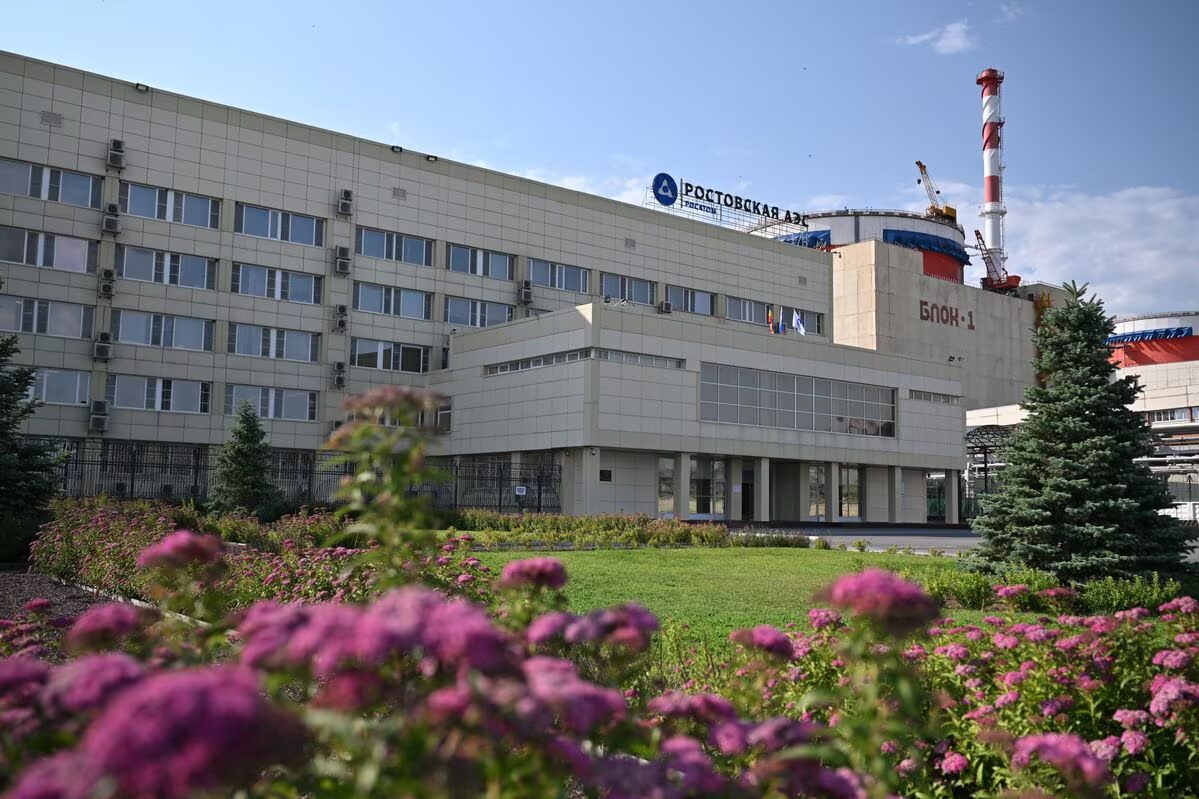
On July 8, the first reactor at Russia’s Rostov Nuclear Power Plant (NPP) reached a milestone of 200 billion kilowatt-hours (kWh) generated since its launch. The achievement coincides with the reactor’s 25th anniversary-it began commercial operation in December 2001. According to Rosatom, Russia’s state atomic energy corporation, this amount of electricity could have powered the Southern and North Caucasus federal districts for nearly two years.
Marking the jubilee year, the reactor underwent its longest scheduled maintenance period in its history. The maintenance extended close to three months, during which technicians upgraded core equipment and safety systems. The work prepares the unit for a planned life extension beyond 2031.
Since the Rostov NPP began operations, its four VVER-1000 reactors combined have generated over 488 billion kWh, with the first unit accounting for more than 40% of that total. Located near the city of Volgodonsk, the plant remains the largest nuclear power source in southern Russia, boasting a total capacity of 4 gigawatts. Rosatom reports that all reactors are currently operating under normal conditions, with radiation levels on site and in the surrounding area within natural background limits.
Rostov NPP’s VVER-1000 technology reliability
The Rostov plant’s achievement underscores the longevity and reliability of VVER-1000 technology, which competes globally with Western pressurized water reactors from companies like Westinghouse and Framatome. While Western reactors often focus on newer designs with increased efficiency, Russia continues to invest in extending the lifespan of established models to maximize return on infrastructure.
Upcoming upgrades and life extension at Rostov NPP
Looking ahead, the upcoming upgrades and life extension efforts at Rostov NPP will be a litmus test for Russia’s broader strategy to maintain its existing nuclear fleet amid rising energy demands and geopolitical challenges. The plant’s performance will also influence how Russia balances domestic energy stability and export ambitions in the coming decade.