• 3 min read
OpenAI’s hardware push faces Apple lawsuit and iPhone rivalry
Apple’s lawsuit targets OpenAI’s hardware hiring, while a screenless speaker and rumored AI phone could bring the companies into direct competition.
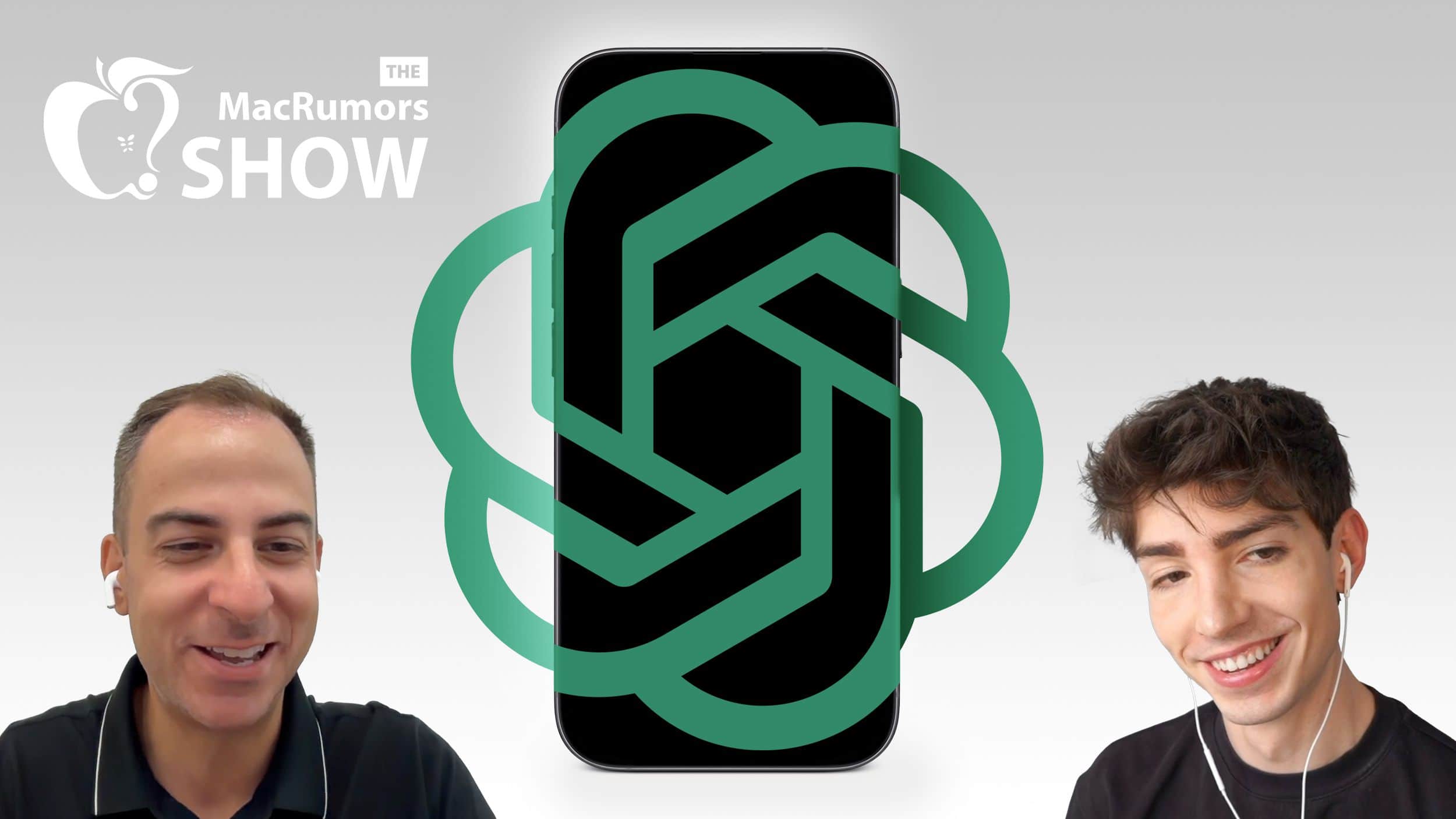
Image: MacRumors
OpenAI’s push into consumer hardware is facing a legal challenge from Apple—and may eventually put the company in direct competition with the iPhone. The latest episode of The MacRumors Show examines both developments.
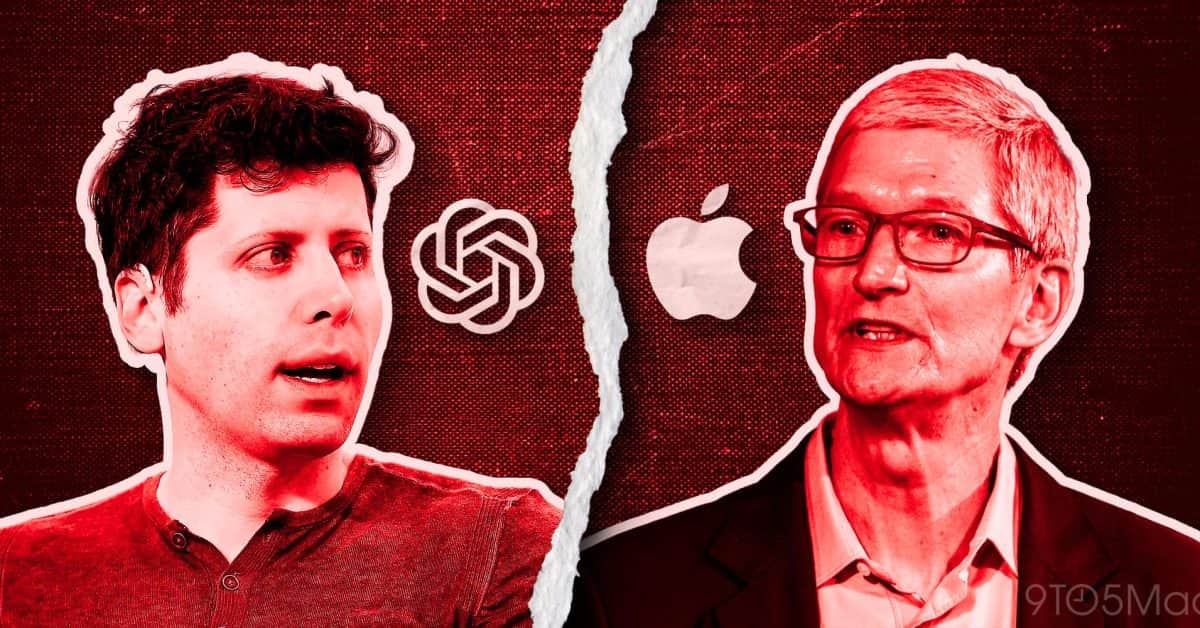
Apple sued OpenAI in the Northern District of California on July 10, alleging a months-long effort to obtain confidential information about unreleased products. The complaint focuses on Tang Tan, OpenAI’s chief hardware officer and a 24-year Apple veteran who previously led iPhone product design, and Chang Liu, a former Apple electrical engineer.
Apple alleges that Tan coached recruits on avoiding its exit-interview security procedures and told at least one employee to bring hardware components to an interview. It also claims OpenAI persuaded a supplier to use a proprietary metal-finishing technique on an OpenAI device by falsely saying it had Apple’s permission.
Recommended reading
Intel revenue surges 25% as AI demand drives rebound
The filing describes OpenAI’s hardware operation as “rotten to its core.” The lawsuit follows a deterioration in the companies' 2024 partnership, which brought ChatGPT to Siri. OpenAI was reportedly considering legal action against Apple as recently as May.
“We have no interest in other companies' trade secrets.”
More than 400 former Apple employees now work at OpenAI, including Paul Meade, head of its Vision Products Group. Former Apple design chief Jony Ive leads design for OpenAI’s hardware lineup through LoveFrom, following OpenAI’s $6.5 billion acquisition of his startup, io Products.
Apple has responded with retention bonuses of up to $400,000 and legal preservation letters sent to around 40 former employees. Bloomberg’s Mark Gurman argues that the lawsuit is already affecting OpenAI by discouraging Apple engineers from interviewing there and making Asian suppliers more cautious about expanding their relationships with the company. Ive was not named in the complaint, which Gurman believes may reflect Apple’s relationship with io Products investor Laurene Powell Jobs.
OpenAI’s first device and the rumored AI phone
OpenAI’s first product, teased for months by Ive and CEO Sam Altman, is reportedly a portable, screenless smart speaker. It is now expected in early 2027, with a projected price of $200 to $300.
The device is said to run on ChatGPT and GPT-Live, include a rechargeable battery for use between rooms, and feature a camera for interpreting its surroundings. Motorized elements could move independently, giving the product an impression of being alive. People familiar with the project told Bloomberg that it is unlike anything Apple sells, and OpenAI reportedly does not consider the HomePod or HomePod mini comparable. Apple’s rumored smart home hub is considered the closest analogue.
Supply chain analyst Ming-Chi Kuo has also reported that OpenAI is developing an “AI agent phone.” Instead of organizing experiences around individual apps, the device would use a continuous, context-aware interface, with OpenAI controlling both the operating system and hardware.
Kuo revised his mass-production forecast from 2028 to the first half of 2027 and projected combined shipments of around 30 million units in 2027 and 2028. That product is rumored to compete directly with the iPhone.
The MacRumors Show is available on YouTube, Apple Podcasts, Spotify, Overcast and other podcast apps, as well as through its RSS feed. The show also posts on X at @MacRumorsShow and accepts email at podcast@macrumors.com.

Enterprise Editor
Marcus follows the money. He covers enterprise software, cloud architecture, and the tectonic shifts in Big Tech strategy. He translates dense earnings calls and complex M&A activity into actionable insights about where the industry is actually heading. If a tech giant makes a silent pivot, Marcus is usually the first to notice.
via MacRumors