• 3 min read
Nvidia pushes ARM gaming with Sega and Riot support
Nvidia says Sega, Capcom, Riot and others are bringing games to RTX Spark, a bid to make Windows on ARM a real gaming platform.
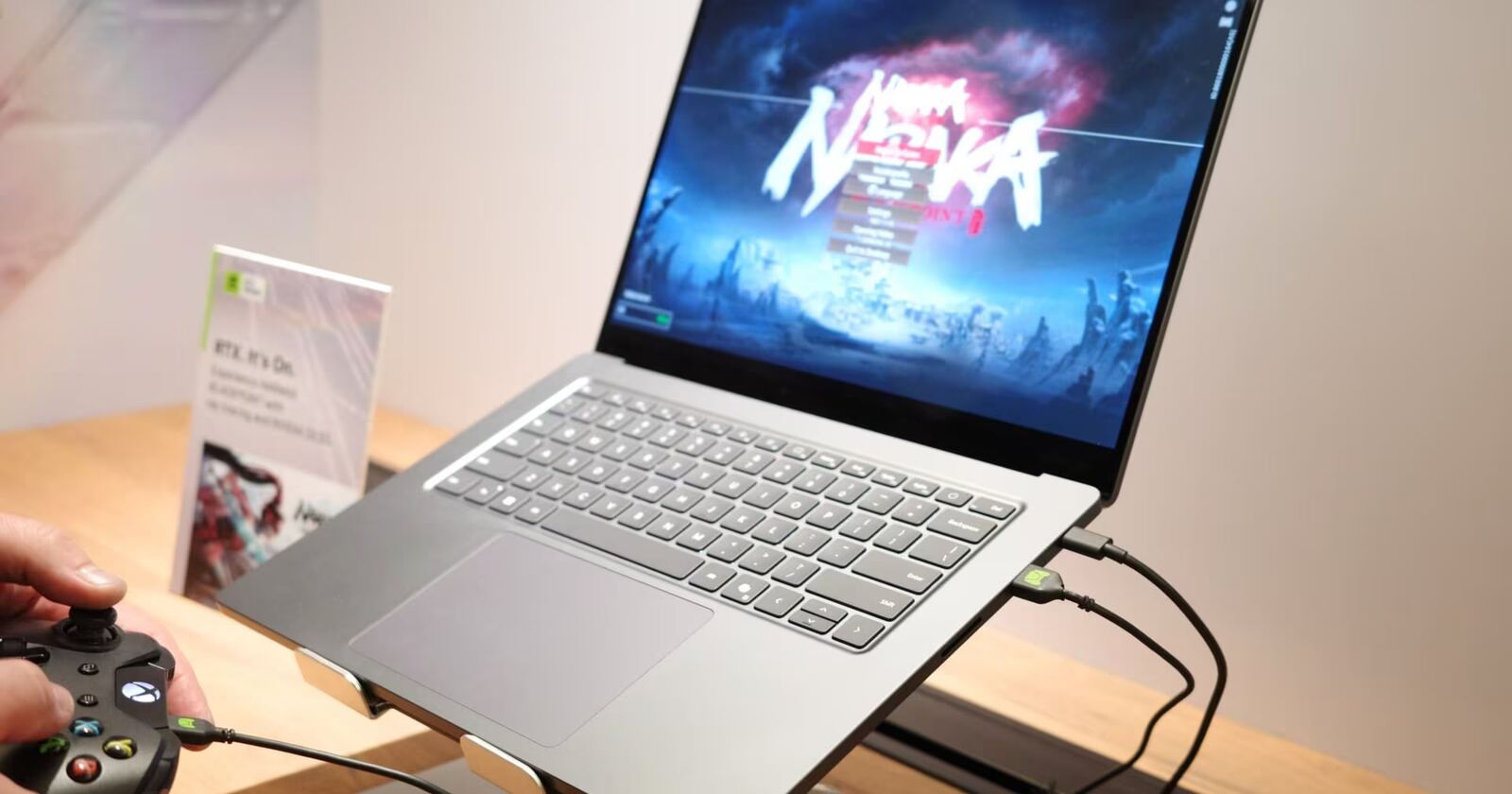
Image: gizmodo
Nvidia is making a more concrete pitch for ARM gaming PCs: real games from major publishers, not just trade-show demos. The company says Sega will bring Virtua Fighter Crossroads to RTX Spark, with more titles from the Japanese publisher expected to follow.
That matters because Windows on ARM has had hardware for a while, but not a dependable game library. Nvidia is increasingly positioning RTX Spark as a full gaming ecosystem rather than an ARM laptop that can occasionally run games. Alongside Sega, the company has also named Capcom, Konami, Riot Games, Remedy, and Warhorse Studios.
The lineup Nvidia is pointing to spans competitive games such as Valorant and League of Legends, as well as heavier single-player releases including Alan Wake II, Control, and Kingdom Come: Deliverance II. But publisher support alone is not enough. Most PC games were built for x86 systems from AMD and Intel, and running them through emulation usually means compromises in compatibility, performance, or both.
That is why Nvidia is emphasizing native ARM versions and separately promising support for widely used anti-cheat systems, which many online games require to launch at all.
Windows on ARM game support still looks uneven
Nvidia has already shown what this could look like in practice. At Computex 2026, it demonstrated games on an early Microsoft Surface Ultra prototype, then separately showed Alan Wake II running at more than 90 frames per second. But that result depended on DLSS, ray reconstruction, and 2x frame generation rather than raw native performance.

Recommended reading
Asus will sell Xbox Ally X20 OLED on its own
That underlines the central issue with ARM gaming PCs: not just average frame rates, but predictability. One game may run natively, another through Microsoft Prism, a third may fail because of anti-cheat, and a fourth may launch with driver issues. For mainstream buyers, that is still too many caveats.
Nvidia is not entering an empty field. Apple launched Game Porting Toolkit in 2023 to make Mac ports easier and later landed native versions of several major releases, including titles in the Resident Evil series. Remedy this year released a native Control for Mac and iPad. On Windows, Qualcomm pushed a similar idea after Snapdragon X, highlighting thin ARM laptops with long battery life that could also run big games. By the end of last year, Fortnite was running on the platform, and Qualcomm said it was working with anti-cheat and protection vendors including Denuvo.
RTX Spark’s next test is actual releases
Nvidia’s edge is that it is already deeply embedded in the PC gaming stack through GPUs, drivers, DLSS, and publisher partnerships. Qualcomm sold ARM as a new kind of Windows laptop; Nvidia is selling it as another destination for AAA games.
The risk is that support may remain patchy. Even at Capcom, not every game is ARM-ready: Pragmata, for example, was shown by Nvidia running through Microsoft Prism emulation rather than natively. That means RTX Spark is likely to remain a mix of games that run well, games that work with caveats, and games still waiting on patches.
The real test is simple: how many of these promised publishers actually ship native games. If RTX Spark lands several major native releases in 2026, Windows on ARM may finally move beyond the experiment stage.

Culture Editor
Maya explores gaming, streaming, and the internet as a place where people actually live. From deep-dives into creator economies to the anthropology of digital communities, she tracks platform drama and cultural shifts so you don't have to. She believes the best tech stories are fundamentally about human behavior.
via ITzine