• 2 min read
Netflix’s cable-style pivot runs into a YouTube problem
Netflix is considering channels, add-on subscriptions, and short-form video as viewing hours slip and YouTube gains TV share.
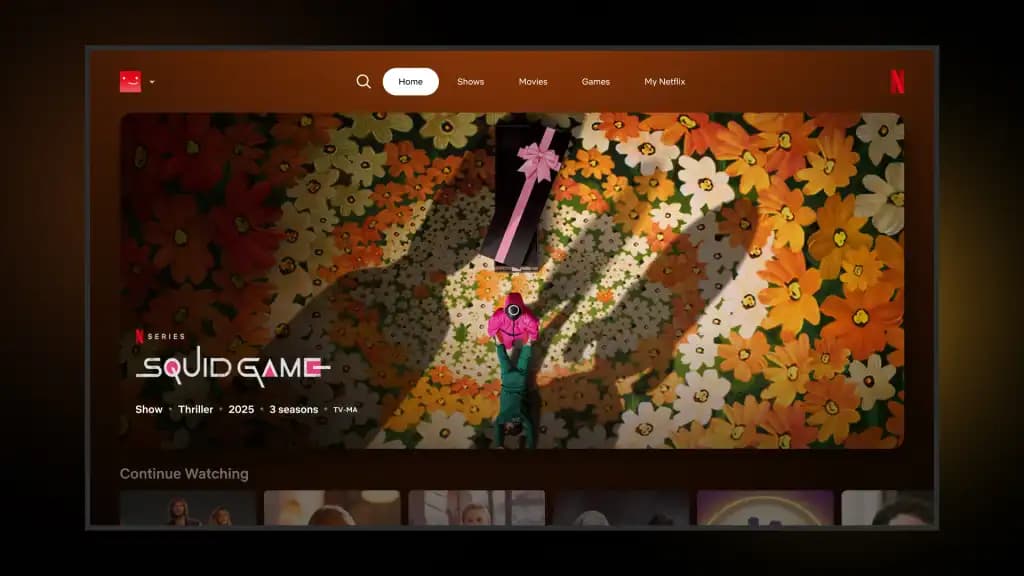
Image: PCWorld
Netflix is making more money and adding subscribers, but daily viewing hours are slipping, according to Nielsen data cited by PCWorld. Bloomberg reports that Netflix’s hit shows are also struggling to hold audiences beyond their first season, while the Wall Street Journal says engagement has become a frequent topic inside the company and a growing concern for investors.
To respond, Netflix is reportedly exploring a more cable-like model. According to the Journal, that includes streaming channels and add-on subscriptions to third-party services such as Peacock, echoing Amazon’s approach. It is also planning to offer short-form videos, a clear nod to YouTube and TikTok.
Netflix has already been moving in that direction. The company has expanded into sports with exclusive NFL, MLB, and WWE coverage, and it is reportedly interested in rights to the next World Cup. Its programming mix has also shifted: non-fiction now accounts for more than half of Netflix’s original programming, and the service has leaned back into licensing older hits, helping shows such as “Suits” find new life in streaming.
That broader push has come with steeper prices. Over the past five years, Netflix’s Standard plan rose from $14 to $20 per month. The Premium plan with 4K video costs $7 more per month, and sharing an account outside the home now adds a $10 monthly surcharge. For one household, that can bring the total to $37 per month for Netflix alone.
Recommended reading
Hyundai moves to own Boston Dynamics outright
YouTube is taking more of the TV screen
The bigger issue is time. From 2023 to 2026, YouTube’s share of U.S. daily TV viewing jumped from 8.1 percent to 13.4 percent, according to Nielsen. Over the same period, Netflix only moved from 6.9 percent to 7.8 percent.
PCWorld points to several possible reasons for Netflix’s softer engagement: long gaps between seasons, binge-release fatigue, a sense of quantity over quality, and viewer hesitation to commit to shows that might be canceled. But YouTube’s rise stands out because it offers a much lower-friction alternative. It is free, requires no subscription, and asks far less commitment from viewers.
That helps explain Netflix’s reported interest in short-form videos from publishers such as Buzzfeed and Conde Nast, as well as rumors of always-on channels similar to free streaming services like The Roku Channel and Pluto. The Roku Channel has climbed to 3 percent of daily viewing share after not appearing on Nielsen’s radar three years earlier.
For Netflix, bundling extra subscriptions could also make cancellation less likely as prices keep rising. But it would further complicate a service that once sold itself on a simple promise: open the app and find something great to watch.

Enterprise Editor
Marcus follows the money. He covers enterprise software, cloud architecture, and the tectonic shifts in Big Tech strategy. He translates dense earnings calls and complex M&A activity into actionable insights about where the industry is actually heading. If a tech giant makes a silent pivot, Marcus is usually the first to notice.
via PCWorld