• 2 min read
Moscow’s delivery rovers reach 1,500 orders a day
More than 400 rovers now deliver 1,500 orders daily across 51 Moscow districts. A humanoid Arcus pilot could bring deliveries inside buildings by 2026.
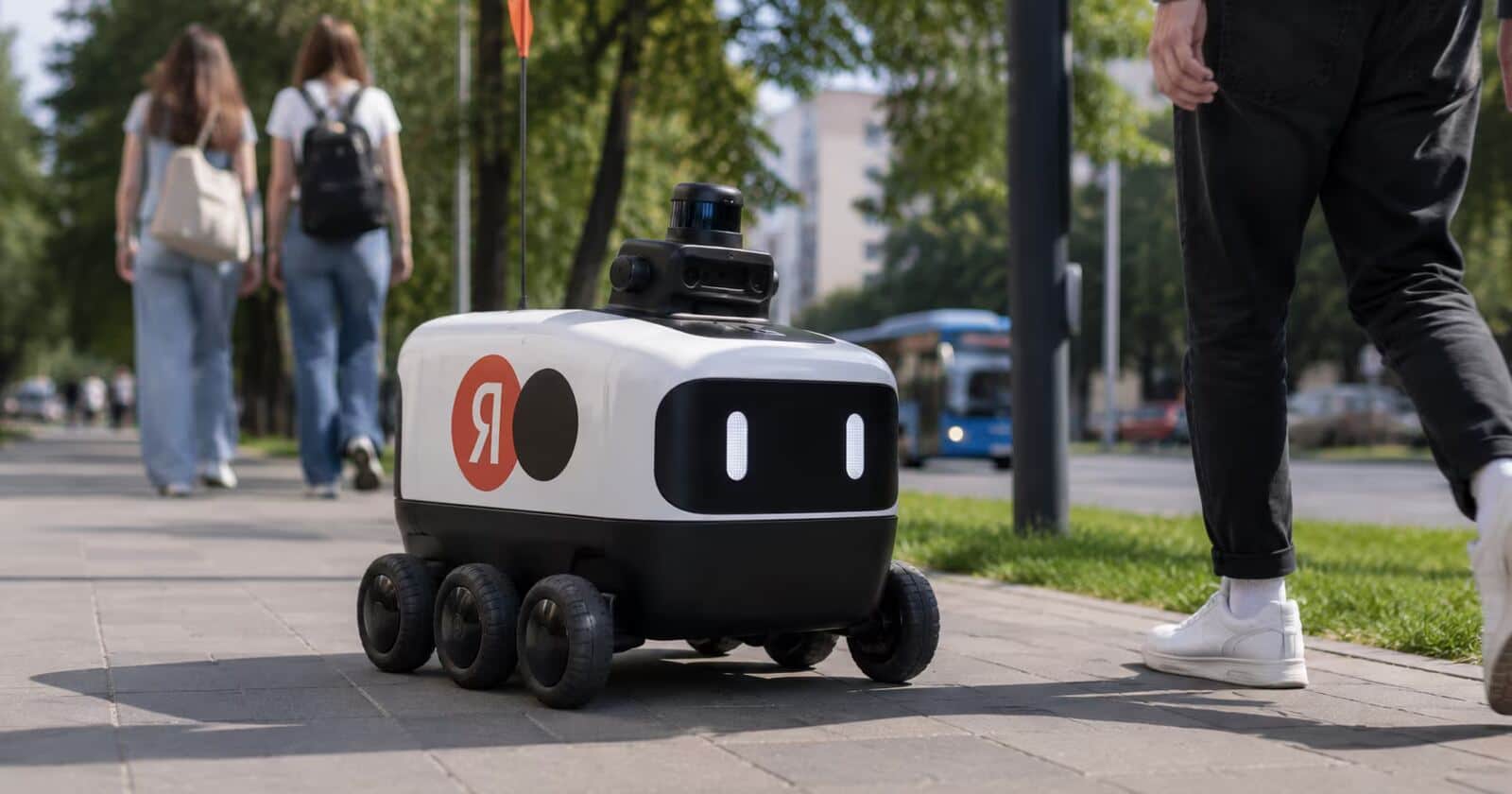
Image: ITzine
Moscow’s robotic delivery network has moved beyond the pilot stage. More than 400 rovers now deliver over 1,500 orders per day across 51 districts, with customers waiting an average of about 15 minutes. The service’s operating area has recently expanded by another 31 districts.
The figures point to routine urban logistics rather than a technology demonstration. On short routes, the rovers can approach the speed of conventional courier delivery. They do not tire or miss shifts, but still have to navigate around pedestrians, bicycles and cars parked along sidewalks.
Moscow is a relatively favorable environment for the format: dense development, short distances between destinations and strong demand for fast delivery. Suburbs and low-rise neighborhoods are more difficult because routes are longer and less predictable.
Recommended reading
81.5% of Samsung Foundry workers may leave
Arcus and delivery beyond the entrance
The next stage is under discussion. The Institute of Robotic Systems is negotiating with Moscow authorities on an experiment involving Arcus, a humanoid robot designed to enter buildings and travel to recipients.
That would extend the task beyond what wheeled rovers currently handle. A rover delivers to the building entrance; Arcus would need to manage doors, elevators, stairs and indoor navigation, where there are more opportunities for error and each mistake carries greater consequences.
The project is intended to launch in several districts by the end of 2026. Each Arcus is estimated to cost about 1.8 million rubles, so the initial test would be limited rather than a mass-delivery rollout.

Enterprise Editor
Marcus follows the money. He covers enterprise software, cloud architecture, and the tectonic shifts in Big Tech strategy. He translates dense earnings calls and complex M&A activity into actionable insights about where the industry is actually heading. If a tech giant makes a silent pivot, Marcus is usually the first to notice.
via ITzine