• 3 min read
Meta’s smart glasses create an Instagram moderation mess
Instagram will remove some harassment videos recorded with Meta’s smart glasses, raising unresolved questions about privacy and enforcement.
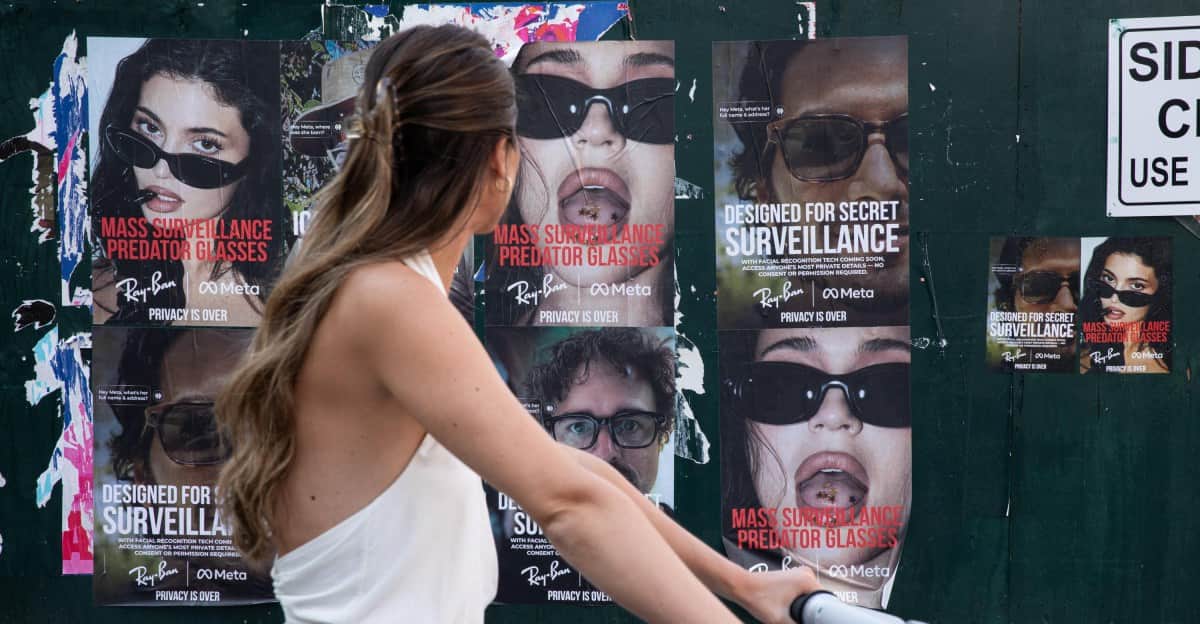
Image: The Verge
Meta’s smart glasses have become a moderation problem of its own making. After users began filming strangers without their knowledge—including men recording themselves hitting on women—Instagram says it will remove some videos made with the glasses.
The backlash has been swift. Critics worry the glasses could erode privacy and expand surveillance, while particularly abusive videos have led some people to call the devices “pervert glasses.”
Instagram’s new enforcement challenge
Business Insider reported on Thursday that Meta was taking the unusual step of banning certain content recorded with its glasses from its own platform. Instagram head Adam Mosseri said videos that “take advantage of people and harass them,” including pickup-line content, would be removed.
“We don’t want people to be surreptitiously taking videos of other people and harassing them and then posting them on our platform. So we’re trying to fight that every way we can.”
Activists plastered anti-smart glasses posters in New York.
The policy puts Meta in an awkward position: Its product makes recording and publishing frictionless, yet the company is now restricting content because some users are behaving abusively with it.
Recommended reading
Garmin Cirqa puts coaching behind a paywall
Where Meta draws the line
Privacy expectations in public spaces are already limited. People can appear in Instagram Reels while walking down the street, riding a train, or shopping. Short-form video has also revived the man-on-the-street format, from asking strangers about their income or rent to filming unsolicited reactions for online audiences.
Smart glasses are a natural fit for content creators because they remove much of the friction from recording. Many users film harmless “day in the life” videos, meals, and concerts. But Instagram’s stated policy leaves difficult cases unresolved:
- Does filming homeless encampments for shock value count as harassment?
- What about silently recording people in public who are experiencing active addiction?
- Is filming women at a gym harassment if the person behind the camera never approaches them?
- Can someone who appears in a video filmed without their knowledge ask Instagram to remove it?
The policy also raises a broader question: What happens when someone secretly records and harasses others without using smart glasses?
Meta spokesperson Albert Aydin told The Verge by email that the company is working to disable the glasses' cameras when it detects tampering and remove content from accounts associated with those devices. Aydin did not answer specific questions about whether people filmed without consent could appeal directly to Meta, and he did not provide The Verge with a copy of the policy.
The company’s response addresses the most extreme use cases without resolving the underlying concern. For many critics, the issue is not only what smart glasses record, but that they can record without bystanders realizing it. Meta is policing the creepiest videos while preserving the capability that makes them possible.

Gadgets Editor
Eli is obsessed with the tangible future. He reviews phones, wearables, and everything with a battery. Known for his rigorous testing protocols and unabashed teardowns, Eli has broken more review units than he cares to admit, all in the name of discovering the truth about durability and repairability.
via The Verge