
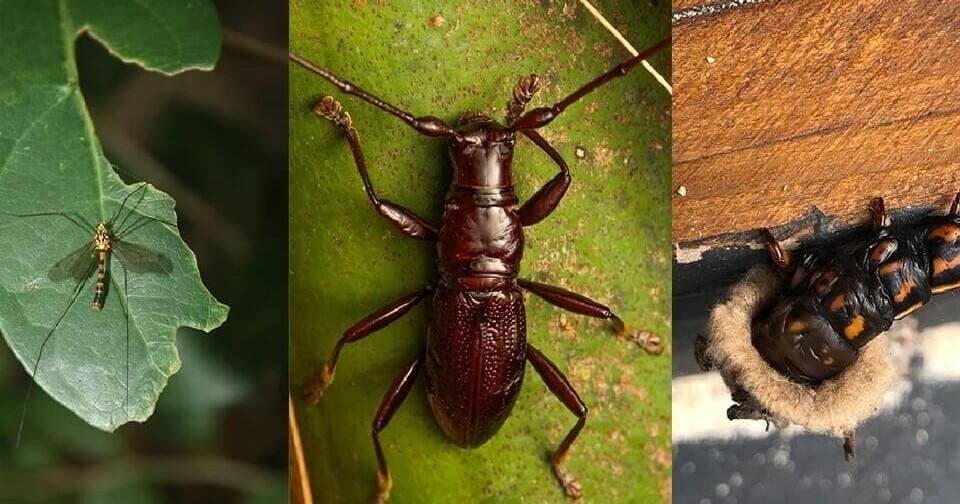
Rats and mice were supposed to be the villains on Lord Howe Island. After Australia cleared the island of both invasive rodents, the biggest winners appear to be the creatures that usually get ignored: insects, spiders, millipedes, and other invertebrates, with the strongest rebound seen in larger species.
That is the main takeaway from a new analysis in Biological Invasions, which compared invertebrate surveys before and after the rodent eradication campaign on Lord Howe Island. The result is a tidy reminder that removing one invasive species can trigger a cascade far beyond the headline target. On islands, those chain reactions are often the whole story.
What changed after the rodent removal
The study looked at 20 forest sites on Lord Howe Island, about 600 kilometres east of Australia, using paired 12-month surveys in 2016-2017 and 2023-2024. Researchers trapped 24,209 invertebrates in total, with 9,380 recorded before the rodent purge and 14,829 after it. The difference was not subtle: overall abundance rose significantly after the island was declared rodent-free in 2023.
- 24,209 invertebrates caught in total
- 36 orders represented
- 89% of individuals belonged to seven major groups
- Largest gains were in species longer than 13 millimetres
That size split matters. Larger invertebrates are more likely to be eaten by rats and mice, so they had the most to gain once the predators disappeared. Their abundance jumped several times over, while diversity in that group stayed roughly unchanged. Smaller species, meanwhile, lost some diversity, probably because the bigger ones got room to surge.
The groups that benefited most
Not every order responded the same way. Isopods and cockroaches showed the clearest rise, while spiders only showed a noticeable lift during southern winter. Beetles and Polydesmida did not register a significant increase, which suggests the island’s invertebrate community is still sorting itself out after decades of rodent pressure.
That uneven response is typical of island restoration projects. The most vulnerable species often vanish first, so the first gains after eradication are not always a full return to some untouched baseline. In other words: the ecosystem is recovering, but it is not simply rewinding the tape.
A rare island recovery with spillover effects
Lord Howe’s rodent eradication campaign was huge by island standards. Australian authorities began in 2019 using traps and poisoned bait, killed about 350,000 rats and mice, ran a follow-up effort in 2021, and by 2023 had officially cleared the island. The payoff has not been limited to invertebrates: endemic birds, geckos, and plants have also shown signs of recovery, which is exactly why island eradication projects keep getting copied around the world.
The bigger question now is how far this rebound can go. If rodent removal is already lifting larger invertebrates and bird numbers, the next phase may be less about celebration and more about whether the island stabilises into a new, healthier balance – one that still reflects the damage done, but no longer belongs to the rats.