

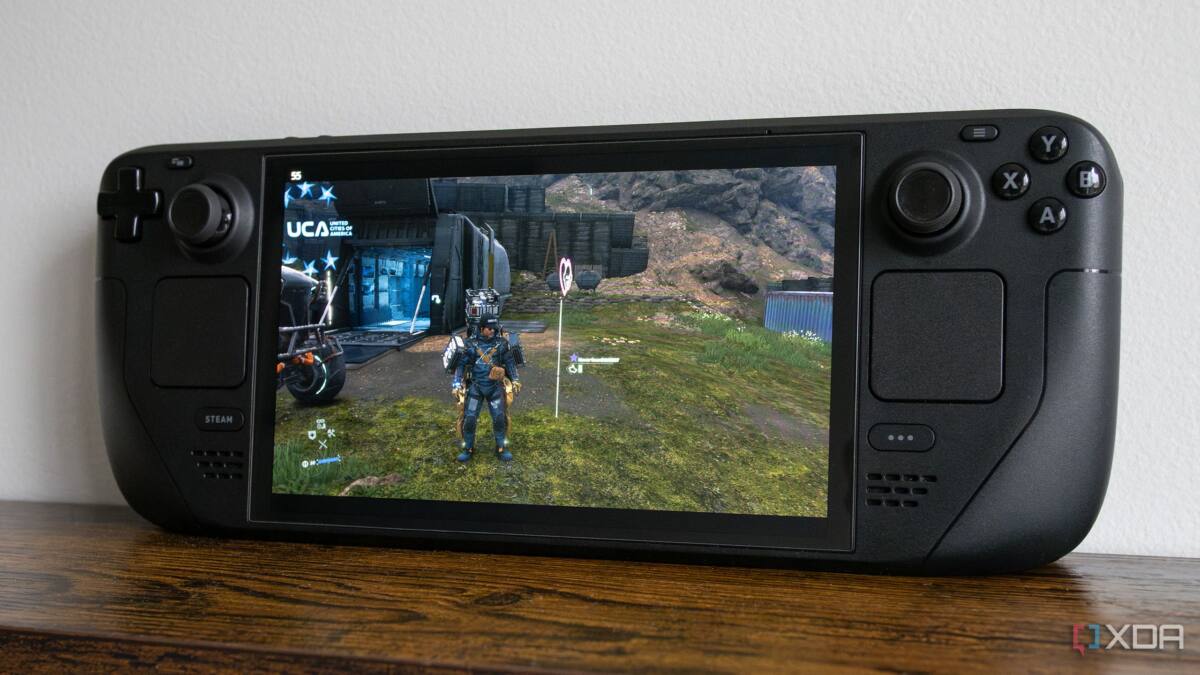
Linux 7.1-rc2 is finally carrying a fix for a Steam Deck OLED audio problem that has lingered since late 2023, and the remedy is narrow enough to avoid trashing other hardware along the way. The LCD Steam Deck was never affected, which is a nice reminder that kernel bugs love precision and hate simplicity.
The patch adds a DMI quirk for Valve’s OLED handheld so the audio probe is restored only on that model. If testing goes well, owners should see the fix land in a few weeks, assuming no new gremlins crawl out of the codebase before then.
Why the Steam Deck OLED audio bug took so long
The issue traces back to a change in Linux 6.8, but the underlying problem was messier than a simple broken toggle. The real snag was a topology file on the OLED model, and the obvious fix would have caused collateral damage on other devices, which is exactly the sort of thing maintainers tend to reject on sight.
That explains the long wait. Kernel work often moves fast on paper and painfully slow in practice when a ”fix” solves one machine by breaking three others. Valve also appears to have kept a downstream solution in its own kernel, while mainline users were left waiting for something cleaner.
What the new DMI quirk changes
According to the merged patch, the kernel now recognizes the Steam Deck OLED specifically and applies the audio repair only there. That is the right kind of boring: targeted, reversible, and far less likely to create a support headache for every other AMD-based system shipping with Linux.
- Affects the Steam Deck OLED only
- Restores the audio probe that stopped working in late 2023
- Leaves the LCD Steam Deck untouched
This is also a small win for Linux on handhelds more broadly. As more PC makers ship niche hardware with custom quirks, upstream maintainers are being forced to choose between broad fixes that risk regressions and device-specific logic that keeps the peace. The Deck OLED patch lands firmly in the second camp.
What Steam Deck OLED owners should expect next
The patch is in Linux 7.1-rc2 now, so the next step is testing. If nothing ugly turns up, the fix should roll out to users soon after, and Steam Deck OLED owners can stop treating working audio like a seasonal event.
The bigger question is how many more Steam Deck quirks are sitting in downstream kernels because the mainline fix would have been too blunt. My guess: more than Valve would like, and fewer than users fear. Either way, this one is finally moving in the right direction.