• 2 min read
Libretto opens PRs to fix broken Playwright tests
Libretto’s new Playwright PR agent investigates failed browser automations and proposes a code fix in a GitHub pull request.

Image: Hacker News
A new Libretto PR agent aims to repair broken Playwright automations instead of replacing them. When a script fails, the tool inspects the live page, identifies what changed, and opens a GitHub pull request with a proposed fix.
The example Libretto shows is straightforward: a script tried to fill input[name=“username”], but the live page had changed to input[name=“login”]. The agent updated the selector and explained that the sign-in field was confirmed by inspecting the page.
This runs as a repair step after failure, not as a new runtime. Libretto says existing Playwright scripts continue to run normally, and the agent starts only when something breaks. Current retry logic, fallbacks, and error handling still handle the failed run itself, while the agent focuses on proposing a fix for future runs.
Recommended reading
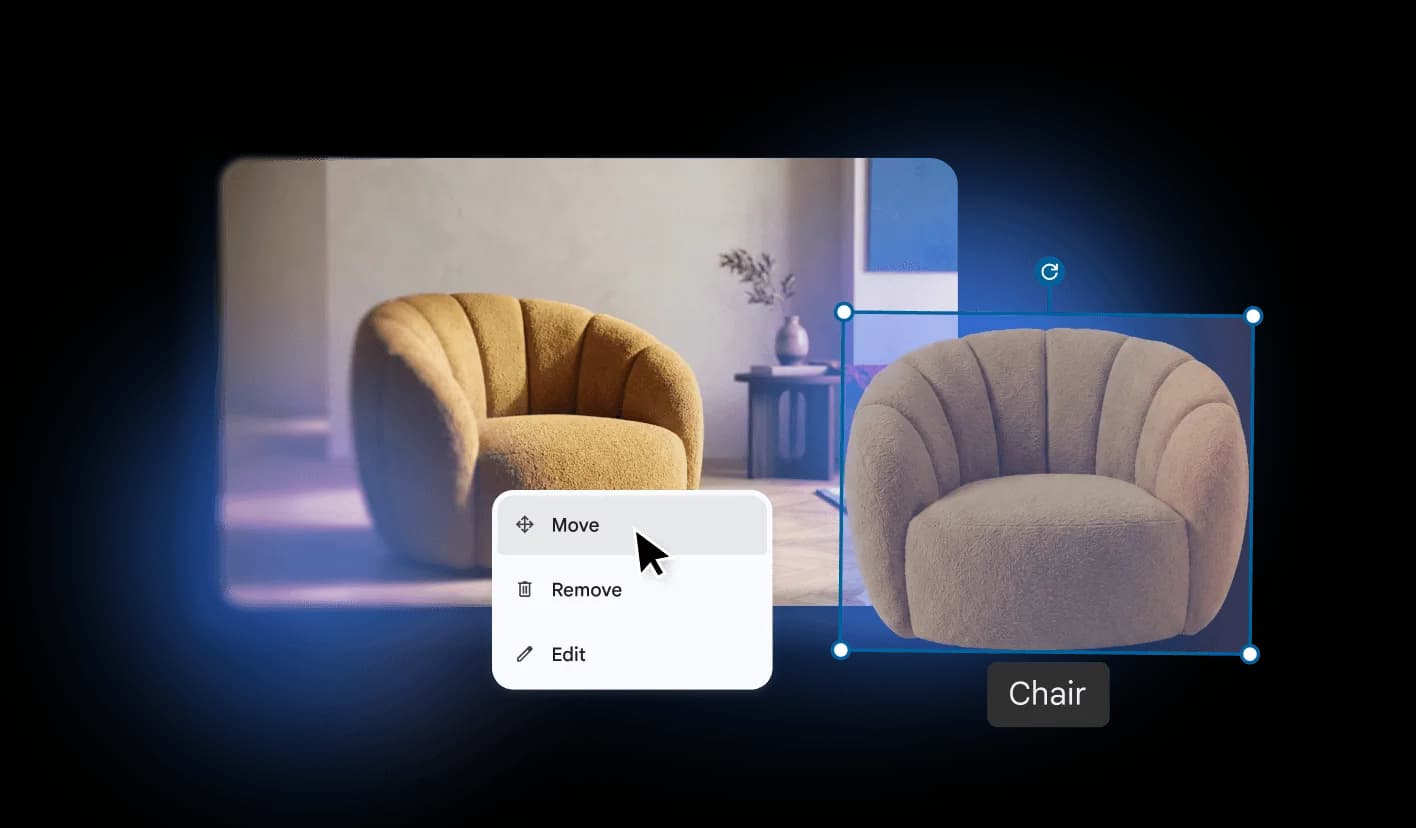
Google Pics lands in Workspace on August 18
Libretto says developers do not need to adopt its runtime to use the feature. Instead, they can add libretto-playwright-debugger to an existing Playwright project, initialize the debugger once, and call debugFailure() from the failure path. Existing runtime choices, browser providers, deployment setups, and workflow structures stay unchanged.
For now, support is limited to Playwright. Libretto says Selenium and Puppeteer are not supported yet because they would need separate adapters. The company also says the PR agent works with local, self-hosted, and hosted browsers, as long as the automation has a live Playwright Page open while debugFailure() runs.
On pricing, Libretto says it does not charge for the PR agent itself. Users must provide their own model provider API key and browser infrastructure, which may still incur separate usage costs. The Playwright debugger package is available as open source under the MIT license in the Libretto repository.

Computing Editor
Tomas lives in the terminal. He covers chips, laptops, and operating systems with a focus on performance and efficiency. He reads kernel changelogs the way other people read fiction, and he's always on the hunt for the perfect mechanical keyboard switch. If it processes data, Tomas has an opinion on it.
via Hacker News