

Huawei says its next Kirin 5G chips will use a new ”Logic Folding” design approach, with a launch planned for autumn 2026 and a likely home inside the Huawei Mate 90 lineup. The pitch is simple enough: squeeze more performance out of chip design without waiting for a cleaner leap in manufacturing, which is exactly the sort of workaround companies chase when advanced process access gets awkward or expensive.
The company framed the idea at the IEEE International Symposium on Circuits and Systems 2026, where it talked up a broader ”Tau” scaling framework. If that sounds like engineering jargon with ambition issues, that’s because it is. But the underlying goal is practical: keep Kirin competitive by improving how transistors and logic are organized, rather than relying only on smaller nodes.
What Huawei says Logic Folding does
According to Huawei executive He Tingbo, the chips scheduled for autumn 2026 will be the first in the world to use the Logic Folding architecture, and the company says that should significantly improve performance. Huawei describes the method as a multi-layer chip optimization concept within its Tau scaling law, presented as a way to push past the practical limits of Moore’s law.
That also hints at the real business story here. If Huawei can make its own chip designs more efficient, it reduces pressure from sanctions and from the brutal economics of cutting-edge fabrication. In chipmaking, elegance is often just another word for survival.
Huawei Mate 90 could be the showcase
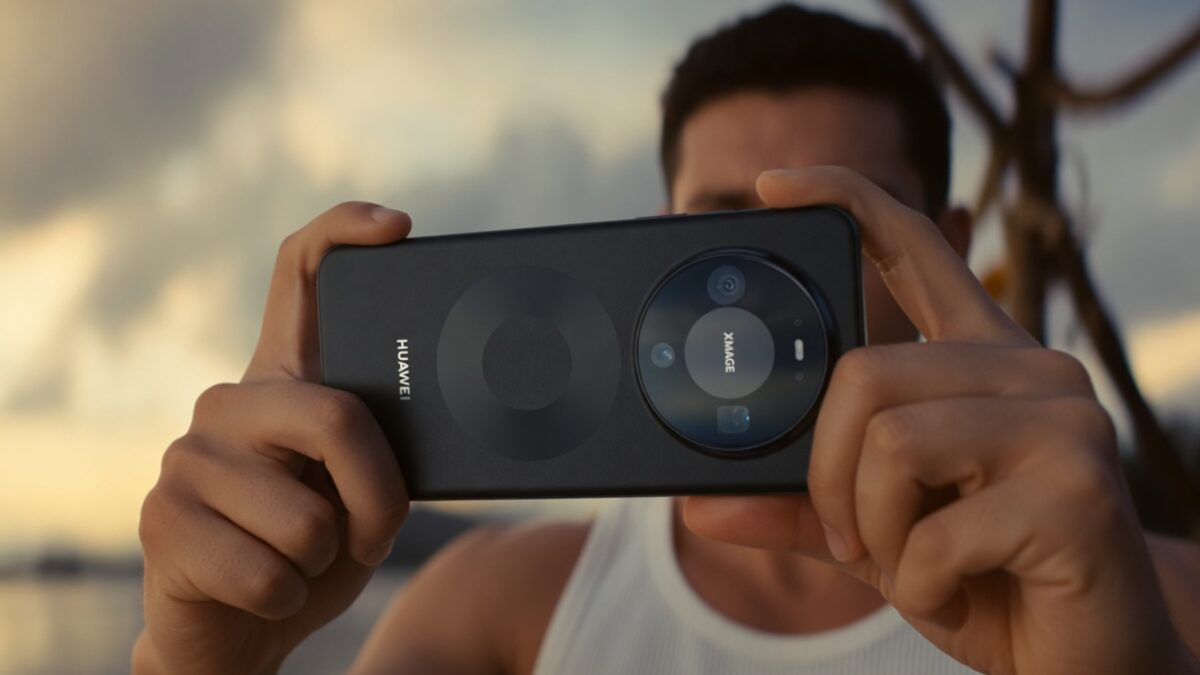
The strongest clue is that these Kirin chips are expected to land in the Huawei Mate 90 family. Earlier reports said Huawei’s 2026 Mate series will include six flagship phones, with launches due in September or October. If that timing holds, Huawei gets a clean stage to sell the idea that its in-house silicon can still matter in a market where rivals are busy bragging about AI, efficiency, and custom hardware.
- Chip: next-generation Kirin 5G
- Architecture: Logic Folding
- Launch window: autumn 2026
- Likely device family: Huawei Mate 90
Huawei’s chip strategy will be judged by performance
Huawei has a habit of turning constraints into branding, and that can work if the silicon delivers. The problem is that chip announcements love grand theories and hate benchmarks. By the time autumn 2026 arrives, the question will be whether Logic Folding is a real performance edge or just a better name for doing more with less.