• 2 min read
Kioxia’s GP1 SSD targets AI memory bottlenecks
Kioxia’s GP1 AI SSD uses XL-Flash, PCIe 6.0 and claims 10 million random-read IOPS, but pricing and general availability remain unknown.
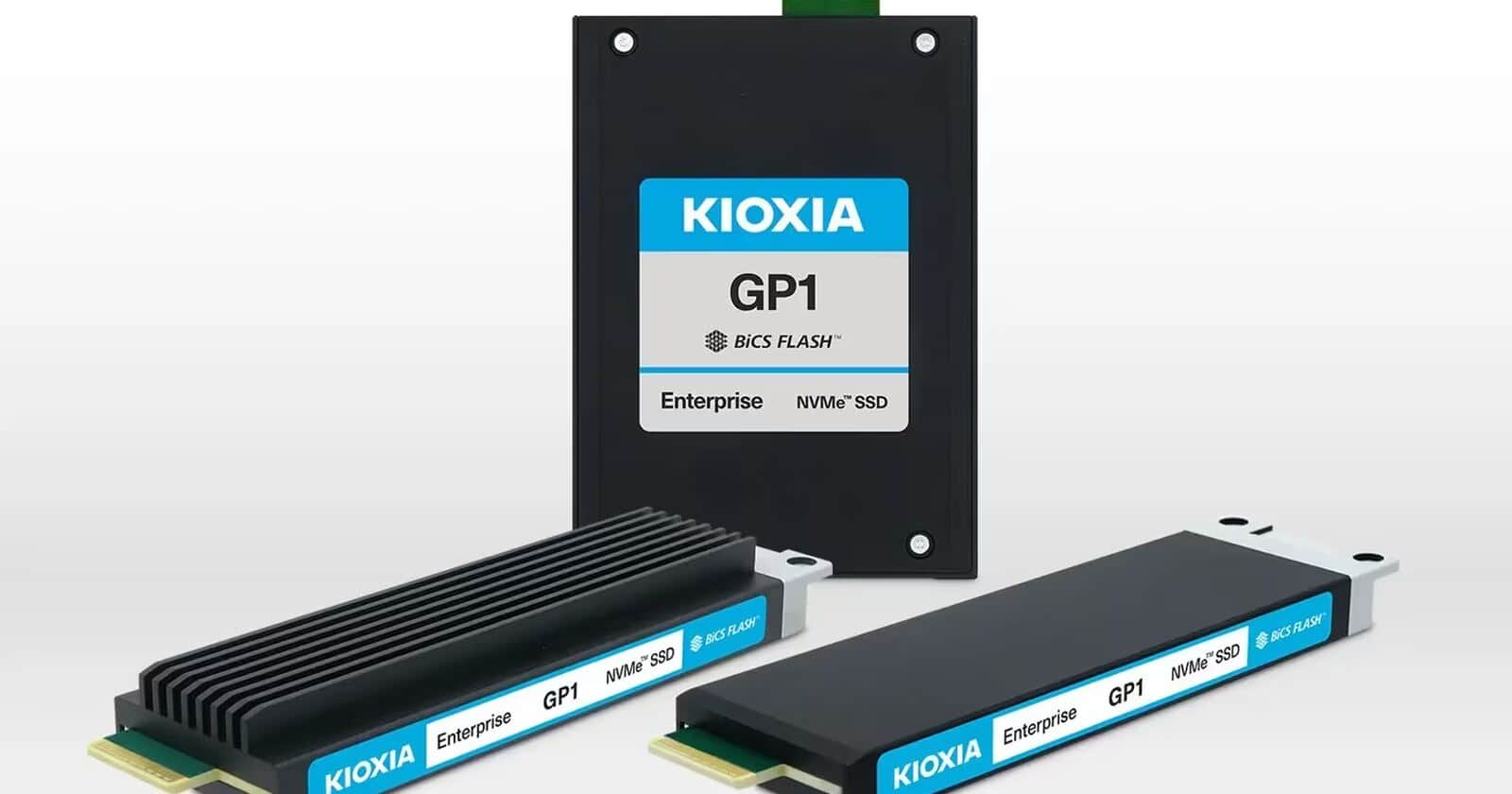
Image: ITzine
Kioxia is positioning its GP1 enterprise SSD as an extra memory tier for AI accelerators, placing large datasets, AI models, and caches that do not fit in GPU HBM on faster-than-usual storage. The drive is built around second-generation XL-Flash, a storage-class memory technology intended to sit between conventional RAM and standard NAND SSDs.
The design targets AI infrastructure where HBM is reserved for the data being actively processed, while the GP1 holds larger working sets nearby. Unlike many conventional SSDs, it also supports 512-byte operations, a capability suited to fine-grained data access.
GP1 specifications and performance claims
Kioxia’s announced configuration includes:
- PCIe 6.0 interface
- NVMe 2.2 protocol
- EDSFF E1.S and E3.S form factors
- Optional cold-plate cooling on some versions
- Approximately 10 million random-read IOPS for the first version
- Up to 100 million IOPS in future generations
- Endurance of up to 50 drive writes per day (50 DWPD)
The PCIe 6.0 interface places GP1 in the same broad generation as Samsung’s PM1763, the enterprise PCIe 6.0 SSD Samsung began mass-producing in July. Kioxia’s emphasis, however, is not only on interface bandwidth: XL-Flash and the 512-byte access mode are intended to reduce the gap between memory-style access and conventional block storage.
Recommended reading
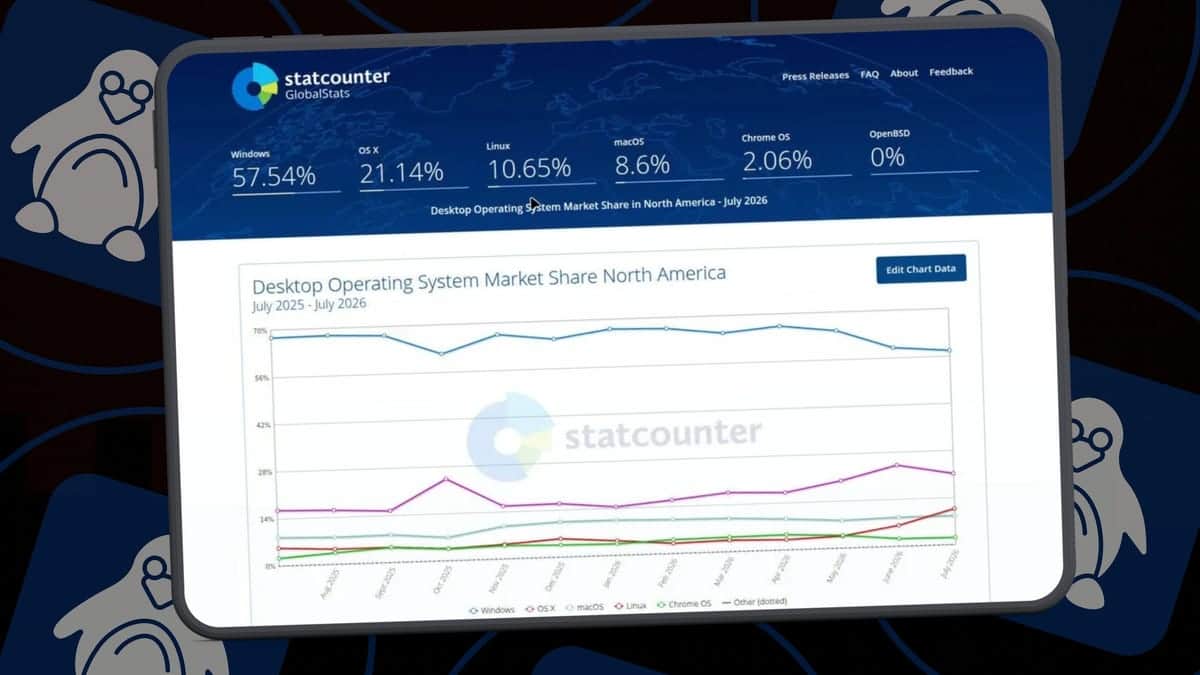
Linux desktop reaches 10.65% as Windows 11 drives users away
Kioxia has not published several specifications that data-center buyers would need to evaluate the drive. Those omissions include exact capacities, per-drive latency, sustained transfer rates, power consumption, thermal limits, and detailed performance conditions behind the IOPS figures.
Availability and competing enterprise SSDs
Evaluation samples of the KIOXIA GP Series are expected to reach select customers by the end of 2026. The company has not announced general commercial availability in the US or EU, and it has not published retail pricing.
That makes direct value comparisons provisional. Enterprise alternatives currently listed by suppliers include:
- Samsung PM1743, 1.92TB: $2,054, with PCIe 5.0 and E3.S support
- Micron 7600 MAX, 3.2TB: $2,999, an E1.S PCIe 5.0 enterprise NVMe drive
- Solidigm/Intel D7-P5510, 3.84TB: $1,338.95, a PCIe 4.0 U.2 enterprise NVMe SSD
GP1's claimed 10 million random-read IOPS and 50 DWPD endurance could make it a significant option for AI systems, but its commercial position cannot yet be judged. Kioxia has disclosed neither capacity nor price, and the product remains limited to planned evaluation samples rather than a generally purchasable drive.
Computing Editor
Tomas lives in the terminal. He covers chips, laptops, and operating systems with a focus on performance and efficiency. He reads kernel changelogs the way other people read fiction, and he's always on the hunt for the perfect mechanical keyboard switch. If it processes data, Tomas has an opinion on it.
via ITzine