• 2 min read
Intel shares Atom x86 designs with new startup
Intel reportedly licensed Atom RTL code to startup RosaicLabs, opening access to low-power x86 designs as Intel shifts toward E-Cores.
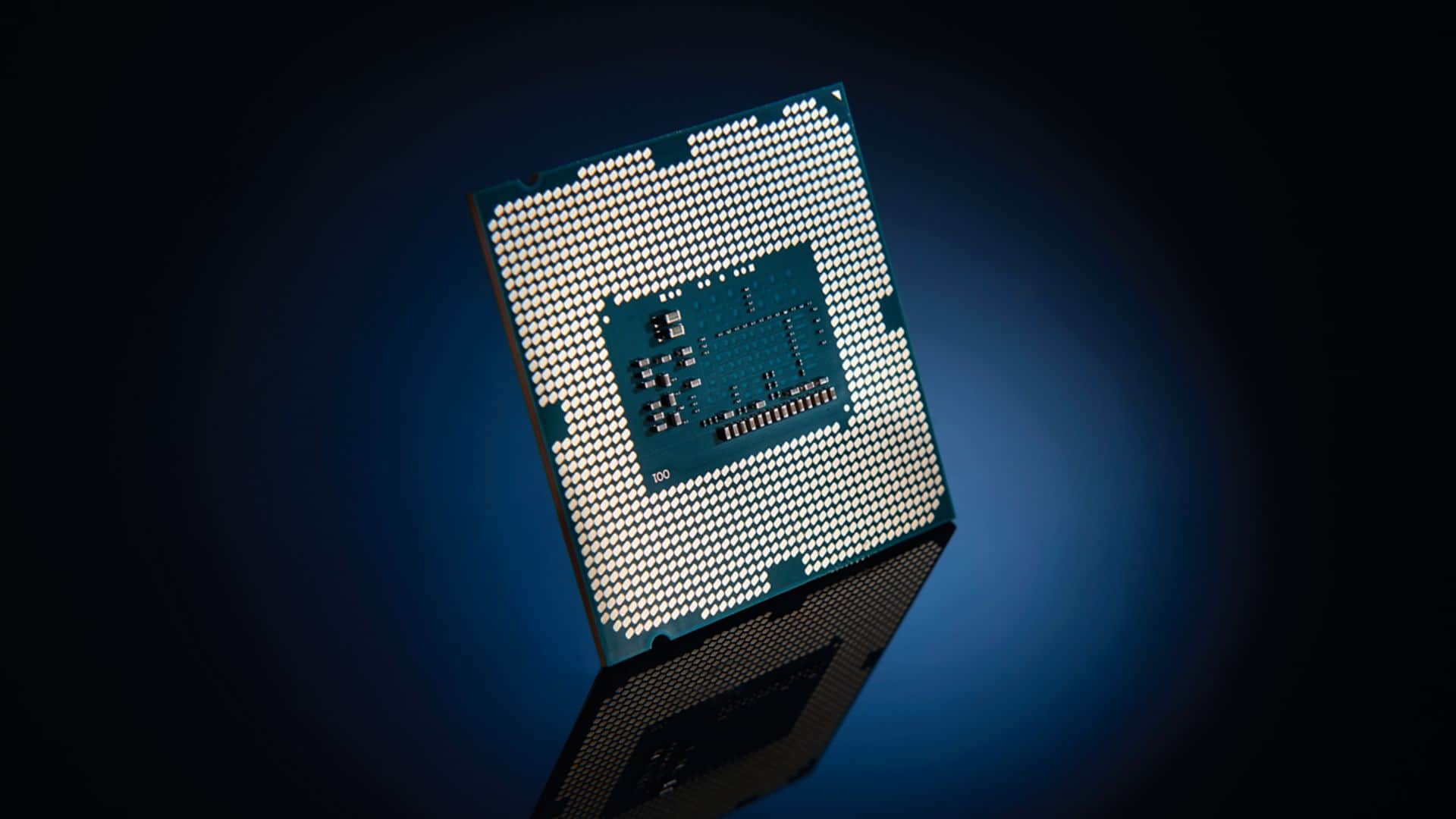
Image: TechRadar
Intel has granted a newly formed startup access to part of its Atom x86 processor technology, giving RosaicLabs the ability to develop custom processors based on licensed Intel designs. The unusual arrangement could signal that Intel is looking for new ways to monetize an older low-power architecture as its own product strategy shifts toward newer E-Core designs.
What RosaicLabs is getting
According to Reuters reports cited by TechRadar, the agreement covers register-transfer-level (RTL) code. RTL describes a processor’s functions before those designs are converted into physical silicon, so access could give RosaicLabs a substantial foundation for building its own chips rather than starting from a blank design.
Atom was developed for computing systems where low power consumption and limited heat generation matter more than peak performance. Intel’s Atom family has appeared in entry-level systems, networking equipment, embedded products, low-power laptops and Chromebooks.

Recommended reading
Tesla’s $55 billion Terafab takes shape in Texas
A veteran semiconductor executive described the arrangement as providing:
“Comprehensive exposure” to Intel’s intellectual property, allowing customers to develop their own silicon based on licensed designs.
The exact Atom technology covered by the deal has not been disclosed. TechRadar said RosaicLabs could potentially receive Tremont, one of Atom’s final microarchitectures. Tremont powered products including Elkhart Lake and Jasper Lake.
Why Intel may be licensing Atom
The agreement is notable because Intel has traditionally kept important parts of its x86 intellectual property under tighter control. At the same time, the company’s Atom portfolio has narrowed as Intel moved its low-power strategy toward E-Cores, including newer microarchitectures such as Gracemont.
That shift may make selected Atom designs more suitable for external licensing while Intel reserves its latest processor architectures for products on its own roadmap. The reported deal therefore points to continued value in Atom’s efficient x86 design, but it does not establish what processor RosaicLabs intends to build.
A startup with Intel connections
RosaicLabs was incorporated in Delaware in May 2026, and publicly available details about the company remain limited. An amended corporate filing dated July 24 says RosaicLabs can pursue a $10 million seed funding round and approve capital expenditures below $5 million without investor or board approval.
The startup’s founding team reportedly includes former Rivos employees. Meta acquired Rivos for roughly $2 billion last year. RosaicLabs chief executive Amarjit Gill previously helped assemble Rivos' founding team alongside Intel chief executive Lip-Bu Tan, who chaired Rivos. Gill and Tan also invested in Nuvia before Qualcomm acquired that company.
Neither Intel nor RosaicLabs has publicly explained whether those relationships influenced the licensing decision. Intel shares rose 12% after the announcement, although there is no direct evidence tying the market move to the Atom agreement.
Computing Editor
Tomas lives in the terminal. He covers chips, laptops, and operating systems with a focus on performance and efficiency. He reads kernel changelogs the way other people read fiction, and he's always on the hunt for the perfect mechanical keyboard switch. If it processes data, Tomas has an opinion on it.
via TechRadar