• 3 min read
iQOO 15 Ultra tops AnTuTu’s flagship value list
AnTuTu’s latest May ranking puts the iQOO 15 Ultra at the top of the flagship value list for phones priced above 4000 yuan, or more than $590. That is a neat bit of bragging rights for iQOO’s first Ultra model, especiall
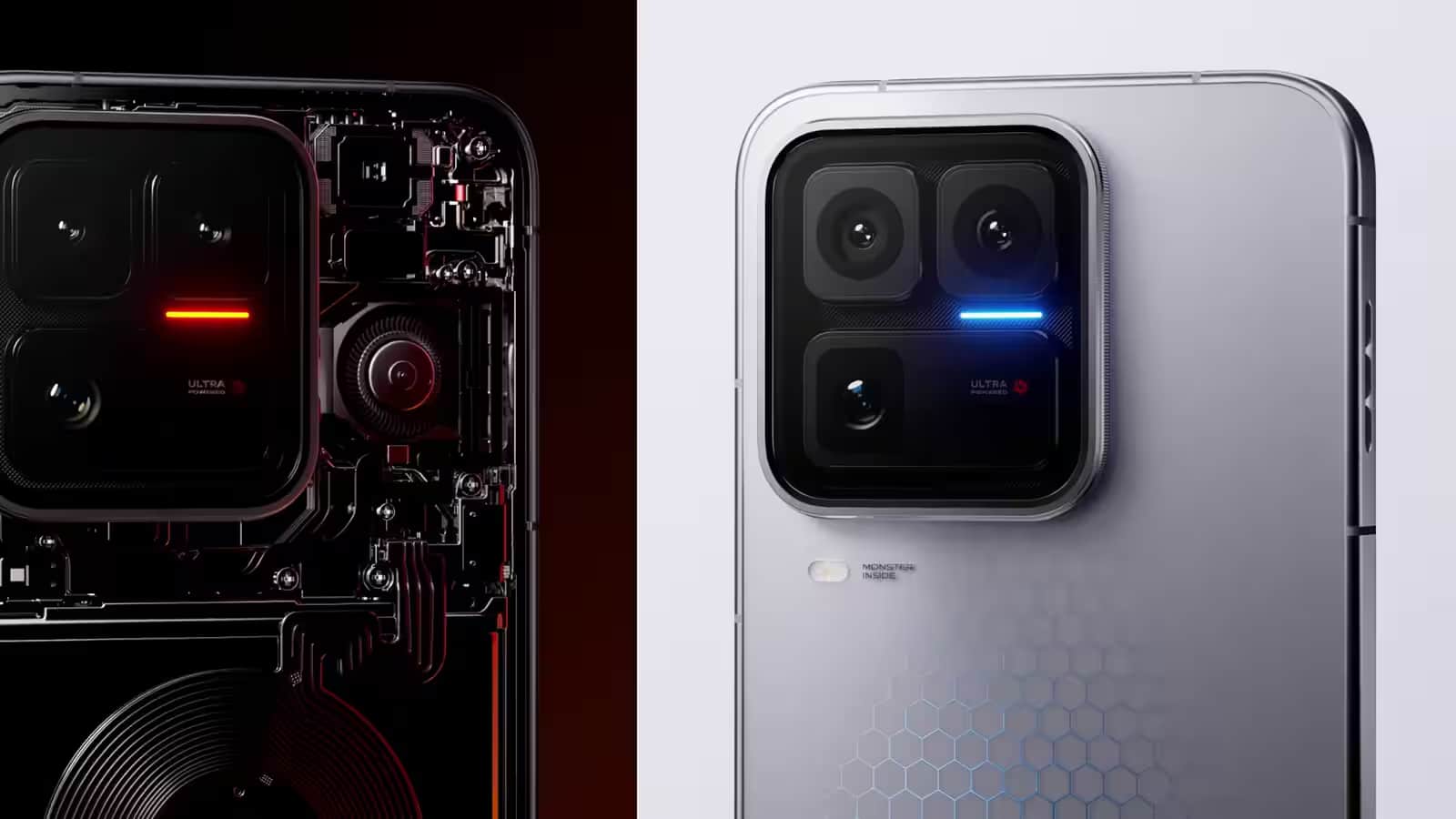
AnTuTu’s latest May ranking puts the iQOO 15 Ultra at the top of the flagship value list for phones priced above 4000 yuan, or more than $590. That is a neat bit of bragging rights for iQOO’s first Ultra model, especially in a category where raw speed usually has to fight battery life, screen quality, and camera hardware for attention.
The iQOO 15 Ultra uses Snapdragon 8 Ultra Gen5, the same chip that appears across the top of this list, but the phone stands out for pairing it with a 2K display, a large battery, and fast charging. In other words, benchmark bragging is cheap; shipping a phone with a 2K panel, fast charging, and a big battery without making it feel like a brick is the harder part.
iQOO 15 Ultra specifications
The iQOO 15 Ultra combines a 6.85-inch 2K display with a 144Hz refresh rate, a 7400mAh battery, 100W wired charging, 40W wireless charging, and a rear camera system built around three 50-megapixel sensors. It is powered by Snapdragon 8 Ultra Gen5, the same chip that appears across the top of this list, but iQOO’s advantage is obvious: more battery flexibility than many rivals and a display that sounds built for gamers without sacrificing the rest of the spec sheet.
Recommended reading
Pixel 11a may get the Tensor G6 after all
- Chipset: Snapdragon 8 Ultra Gen5
- Display: 6.85-inch 2K, 144Hz
- Battery: 7400mAh
- Charging: 100W wired, 40W wireless
- Cameras: three 50-megapixel sensors
Red Magic 11 Pro and Xiaomi 17 Max follow close behind
Red Magic 11 Pro took second place, and its formula is pure gaming-phone logic: Snapdragon 8 Ultra Gen5, a 6.85-inch display with no cutout, 144Hz refresh rate, an 8000mAh battery, and 80W charging. Xiaomi 17 Max landed third with the same chipset, a larger 6.9-inch screen, an 8000mAh battery, 100W wired charging, 50W wireless charging, and a 200-megapixel camera. That mix shows how close the premium Android tier has become – the differentiation is increasingly about details, not dramatic hardware gaps.
AnTuTu’s broader value rankings
AnTuTu also published value rankings for phones priced below $150 and for the $150 to $295 bracket, widening the comparison beyond flagship territory. That matters because the value conversation is no longer reserved for bargain phones alone; brands are now trying to make even expensive devices look rational on a price-to-performance chart, which is a very modern way to sell a luxury object.
The obvious question is whether this kind of ranking changes buying behavior. For enthusiasts, it probably does: people who already compare chipsets, battery sizes, and refresh rates will use a list like this as a shortcut, and competitors will keep tuning their specs to chase the same metric. Expect the next round of launches to push harder on battery capacity and charging speed, because those are the easiest places to look “better” on paper without waiting for a miracle in silicon.

Gadgets Editor
Eli is obsessed with the tangible future. He reviews phones, wearables, and everything with a battery. Known for his rigorous testing protocols and unabashed teardowns, Eli has broken more review units than he cares to admit, all in the name of discovering the truth about durability and repairability.