• 4 min read
iOS 27 and iPadOS 27 push Siri, speed, and smarter sharing
Apple used WWDC to show off iOS 27 and iPadOS 27, and the headline was exactly what everyone expected: more AI, more Siri, and a lot of polish around the edges. The bigger story, though, is that Apple is trying to make i
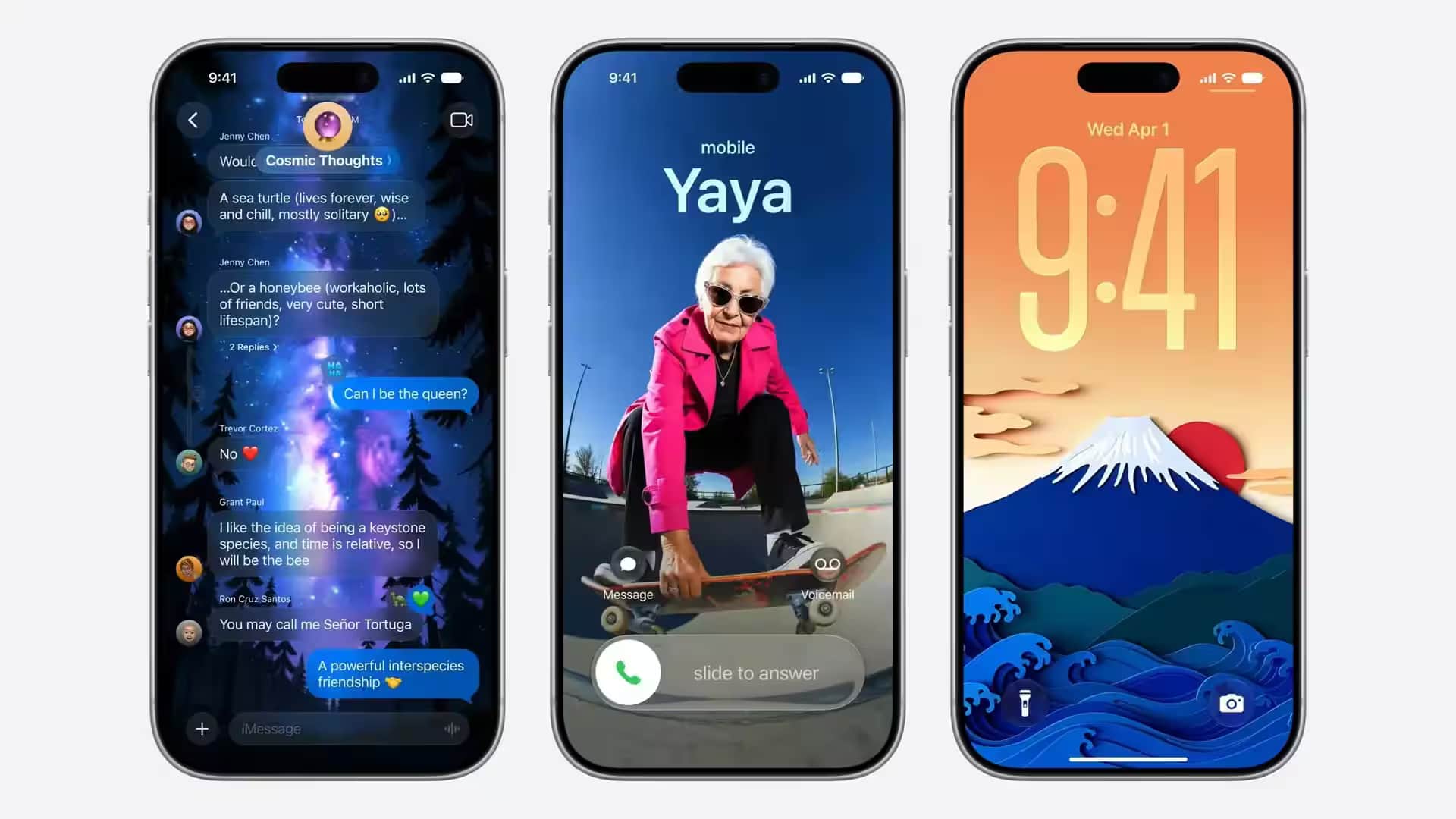
Apple used WWDC to show off iOS 27 and iPadOS 27, and the headline was exactly what everyone expected: more AI, more Siri, and a lot of polish around the edges. The bigger story, though, is that Apple is trying to make its software feel faster and less fussy at the same time, with performance boosts, interface tweaks, and a few long-requested features that are less flashy than AI but arguably more useful.
The new Siri experience is the star of the show. Apple is giving the assistant a dedicated app and says it can better understand personal context, what is on screen, and web information, which should make conversations feel less like dictation and more like actual assistance. That is a familiar promise in AI land, of course, but Apple is clearly betting that tighter integration will make Siri finally feel like more than a voice shortcut.
Siri gets a bigger role across iOS 27
Apple’s pitch is straightforward: Siri should be able to do more with less hand-holding. The company says the assistant can use personal context, on-screen content, and web data to deliver more natural conversations and better actions. That puts Apple in the same arena as rivals pushing agent-style assistants, but with one big advantage: the company controls the operating system, the apps, and the hardware that runs them.
Not every device will get the full AI treatment. The more advanced Apple Intelligence features need newer hardware, while broader improvements should reach older supported iPhones and iPads. That split is becoming standard industry practice, which is a polite way of saying the cool stuff is often gated behind new silicon.
Recommended reading
PyTorch Monarch brings fault-tolerant training to AMD GPUs
Liquid Glass gets easier to live with
Apple is also refining the Liquid Glass design language. Users can now adjust transparency with a slider, and the interface has been tuned with “more uniform refraction and improved contrast.” In plain English: less visual noise, fewer squint-inducing moments, and a bit more control for people who do not want their phone interface to look like a science experiment.
The company is pairing those design changes with speed claims that are hard to ignore. Apple says apps launch up to 30% faster, photos show up in the library more quickly, AirDrop transfers can be 80% faster, and network switching between Wi-Fi and cellular has been improved. Those are the sorts of updates that age well, because nobody complains that their phone did less visible drama and more actual work.
iPadOS 27 adds faster transfers and new photo tools
Some of the most practical additions are on the iPad side. Apple is adding a tool that turns a set of photos and videos into a customizable slideshow with transitions, music, and export options. Calendar events can also be created or edited using natural language, which is the sort of feature that sounds small until you stop tapping through forms and realize how much time that saves.
Apple is also expanding support for full-resolution contributions to iCloud Shared Albums from Android and Windows users. That is a nice step, and overdue. Ecosystem walls are still Apple’s favorite hobby, but making shared albums less annoying for everyone else is the sort of compromise that makes the platform feel a bit less smug.
- Apps launch up to 30% faster
- AirDrop transfers can be 80% faster
- External storage file transfers on iPad can be up to five times faster
A rollout that starts with developers
Developer builds are available starting today, a public beta is expected next month, and a wider rollout is planned for later this year. That timeline gives Apple time to refine the new assistant behavior and iron out the usual early-build rough edges before millions of people start poking at it.
The open question is whether Siri’s new intelligence is genuinely useful or just better marketing with a cleaner coat of paint. Apple has spent the keynote making everyday tasks sound less annoying, and that may be the more durable promise here than any grand AI fantasy. If the company can actually deliver on the speed gains and the assistant upgrades, iOS 27 and iPadOS 27 could end up being remembered less for the hype and more for getting out of the way.
AI Editor
Ava covers the rapidly evolving world of artificial intelligence, from foundational models and research labs to the real-world economics of intelligence. With a background in computational linguistics, she cuts through the hype to find out what actually works. She firmly believes that benchmarks are just marketing until reproduced in the wild.