

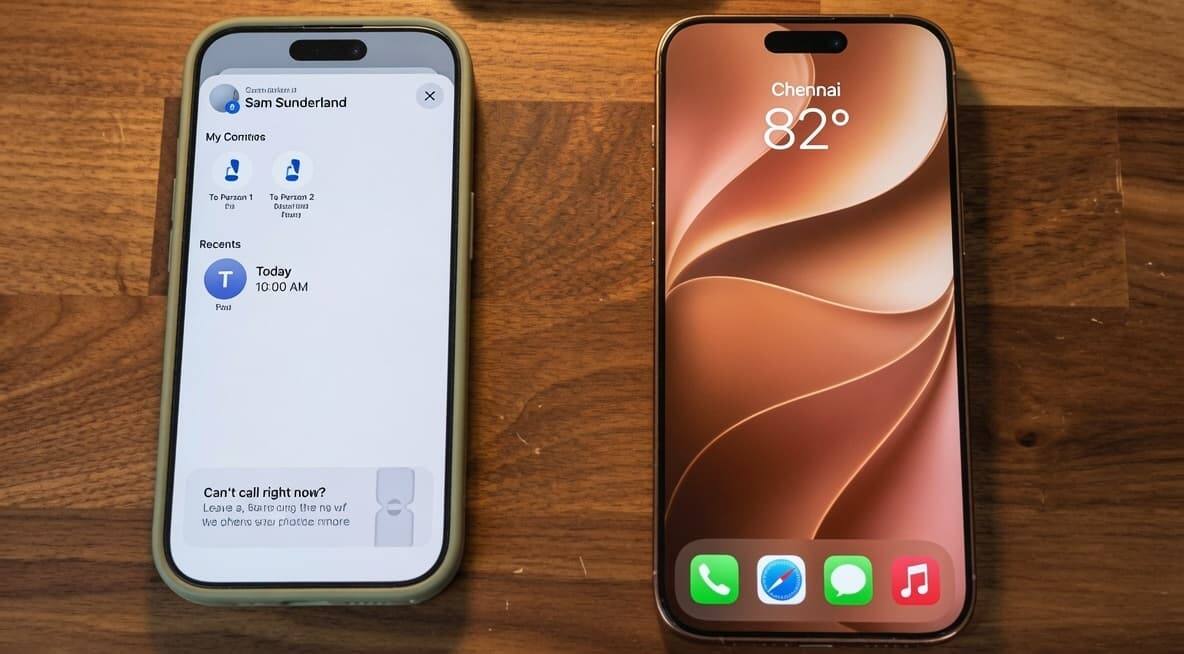
Apple said AirDrop in iOS 27 could be up to 80% faster than iOS 26. A real-world test by blogger Tim Scofield suggests the headline is directionally right, but a little generous: transferring a 3.5 GB video took 2 minutes 11 seconds from iOS 27 to iOS 26, and only 41 seconds between two iOS 27 devices.
That second result works out to roughly 69% faster, which is still a healthy jump for something iPhone owners use constantly and rarely think about until it stalls at the worst possible moment. It also hints at the usual gap between a polished stage claim and messy reality, where device pairing, radio conditions, and software build details can all get in the way.
What the AirDrop test measured
Scofield used a 7 minute 30 second video file weighing 3.5 GB to keep the test consistent. The setup matters because smaller files can hide timing differences, while large transfers expose them fast enough for users to actually notice. In other words, this was the right kind of nerdy: slightly tedious, very useful.
- iOS 27 to iOS 26: 2 minutes 11 seconds
- iOS 27 to iOS 27: 41 seconds
- Apple’s stated improvement: up to 80% versus iOS 26
Why the numbers are not identical
The difference between Apple’s promise and the test result is not unusual. Wireless transfer speeds depend on distance, interference, and whether both devices are running the same fresh beta build, so a single run is informative without being gospel. Competing phone makers have spent years chasing the same invisible win: make file sharing feel instant enough that nobody talks about it.
If Apple keeps tuning the beta, iOS 27 could still edge closer to the company’s claim by the time it ships. For now, though, the practical takeaway is simple: AirDrop already looks meaningfully faster, and the biggest gains appear when both devices are on iOS 27.
What iPhone owners should expect next
That makes AirDrop one of those upgrades that sounds small until you send a giant video to someone in a hurry. The open question is whether Apple can hold that speed across more variable real-world conditions, or whether the final release lands closer to the 69% result than the marketing-friendly 80% line.