• 2 min read
Intel Core 400 Wildcat Lake Refresh doubles performance cores
Intel’s next round of budget laptop chips is already taking shape, and the headline change is hard to miss: Wildcat Lake Refresh is expected to double the number of performance cores, moving from a 2+0+4 layout to 4+0+4.
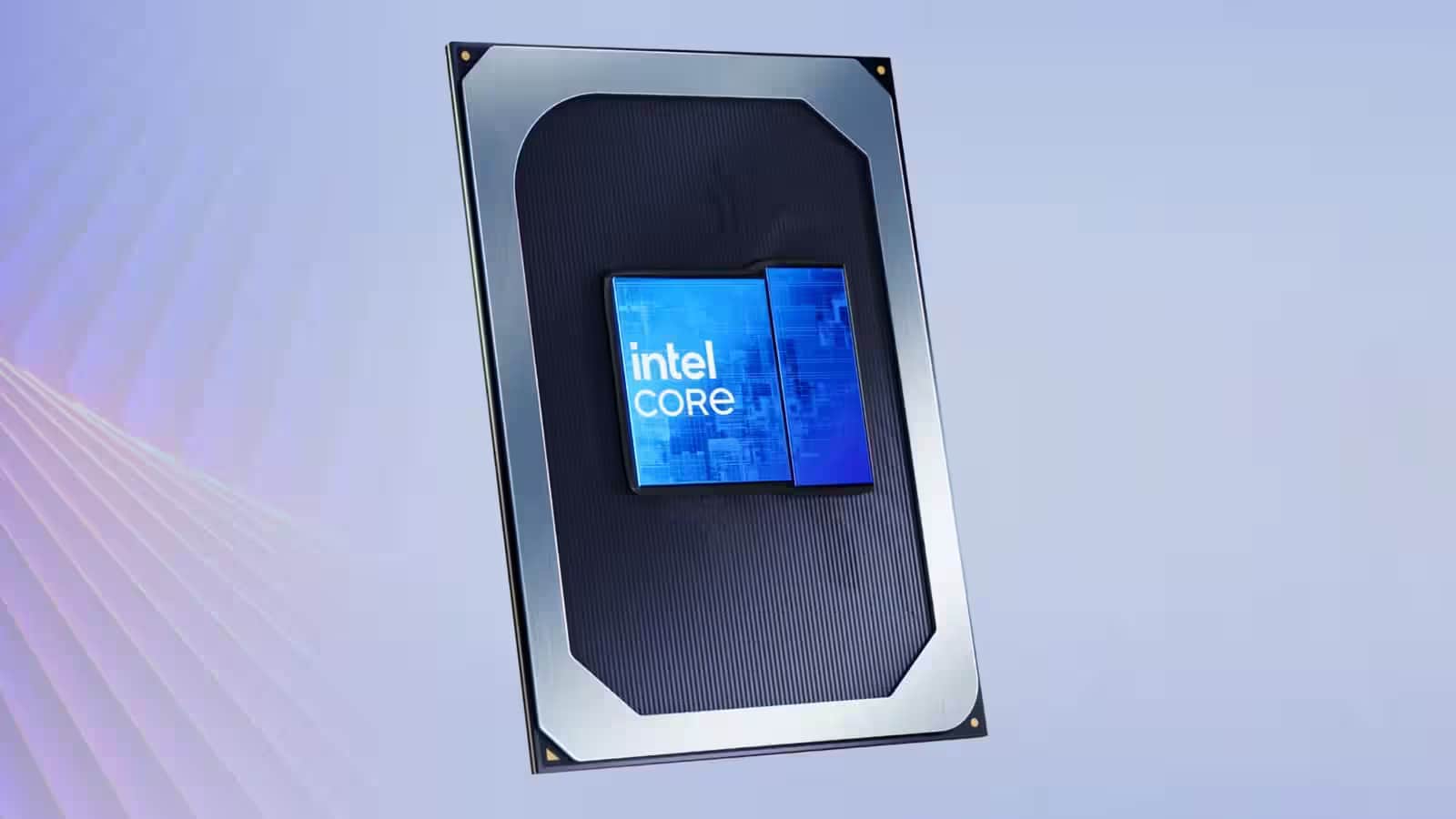
Image: ixbt.com
Intel’s next round of budget laptop chips is already taking shape, and the headline change is hard to miss: Wildcat Lake Refresh is expected to double the number of performance cores, moving from a 2+0+4 layout to 4+0+4. If that pans out, the Intel Core 400 family should give cheap notebooks a noticeably better shot at everyday speed and multitasking, even if the graphics side stays stubbornly familiar.
That would also continue a pattern Intel has leaned on before: keep the integrated GPU modest, but lift CPU performance just enough to make the value stack look less bargain-bin and more “good enough for most people.” In a market where AMD has spent years pressuring low-end mobile parts on efficiency and core counts, adding more P-cores is the sort of move that sounds boring until you open 20 browser tabs and a spreadsheet at the same time.
What changes in Wildcat Lake Refresh
According to the leak, the new chips will use Cougar Cove high-performance cores and Darkmont efficiency cores, the same broad architecture family associated with Intel’s higher-end Panther Lake lineup. The key difference is packaging: Wildcat Lake is still described as a cheaper, single-die design rather than the more complex chiplet approach used elsewhere in Intel’s stack.
- Current Wildcat Lake: 2+0+4 configuration
- Wildcat Lake Refresh: 4+0+4 configuration
- Graphics: two Xe3 GPU cores, unchanged
- Process: Intel 18A
Intel Core 400 lineup and likely positioning
The processors are said to land in Intel Core 400 branding, with Core 5 and Core 7 versions at the front of the line. The lowest-end Core 3 models may stay on current Core 300 parts instead, which makes sense if Intel wants to keep ultra-cheap laptops distinct from the slightly less painful machines that can claim a refresh.
If this release arrives in 2027 as expected, the real story is not the graphics engine or the process node. It is Intel quietly pushing its budget line upward so entry-level laptops stop feeling quite so entry-level. The company does not need a headline-grabbing leap here; it just needs fewer slow, frustrating machines on the shelf.
Recommended reading
Canon may launch three EOS R cameras in 2026
What to watch before launch
The open question is whether two extra performance cores will be enough to change buying decisions in the segment that usually trades on sticker price first and everything else second. If Intel can hold the cost line while improving responsiveness, Wildcat Lake Refresh could become the safer default for thin-and-light Windows laptops. If not, it risks becoming another spec-sheet upgrade that only chip nerds celebrate.
Computing Editor
Tomas lives in the terminal. He covers chips, laptops, and operating systems with a focus on performance and efficiency. He reads kernel changelogs the way other people read fiction, and he's always on the hunt for the perfect mechanical keyboard switch. If it processes data, Tomas has an opinion on it.
via ixbt.com